Let's be honest about ADHD and pleasure
If you have ADHD, you already know that your brain works differently. You hyperfocus on things that interest you wildly and struggle to focus on things that should matter. You're impulsive, easily distracted, and you might have spent years assuming that meant something was wrong with you during sex. It wasn't. Your brain just operates on a different reward system than the neurotypical baseline everyone keeps talking about.
Here's the thing: when you add a lemon vibrator to the equation, that same wiring that makes sustained attention hard actually creates unique opportunities. The way you experience stimulation, build arousal, and chase sensation can feel wildly different from what the mainstream resources describe. And once you understand how your ADHD brain processes pleasure, clitoral vibrators work more effectively, not less.
How ADHD changes arousal and focus
ADHD isn't about low dopamine. It's about inconsistent dopamine. Your brain craves novelty, intensity, and stimulation. When those things are present, you hyperfocus. When they're absent, your attention evaporates. Sex involves sustained attention, building arousal gradually, and maintaining focus on sensation. For a lot of people with ADHD, that sequence doesn't come naturally.
Here's what actually happens physiologically. Your prefrontal cortex, which handles executive function and sustained attention, is less activated during rest in ADHD brains. But your reward centers light up intensely when novel stimulation arrives. That's why you might find it easy to get turned on initially but harder to stay in the moment as sensation becomes predictable. Your brain starts scanning for the next stimulus instead of settling into the current one.
There's also the impulse control piece. ADHD involves less inhibition in the ventromedial prefrontal cortex, which means you're more likely to act on urges immediately rather than delay gratification. That can mean rushing through foreplay, skipping warm-up, or jumping straight to intense settings on your vibrator without working up gradually. It's not impatience. It's how your brain is wired to seek reward.
Why intensity and novelty matter more
Traditional vibrators with single, steady patterns often feel boring quickly if you have ADHD. Your brain habituates fast. A constant buzz that would feel wonderful to someone else can become white noise to you after ninety seconds. That's not a reflection on you or the toy. It's the neurochemistry of ADHD novelty-seeking.
This is where something like the Lem vibrator shifts things. Multi-pattern devices, variable intensity, and features that surprise you neurologically keep your attention locked. The suction-air-pulse hybrid sensation provides more complex sensory input than straight vibration. You're not habituating to one monotone buzz. You're tracking multiple sensations layering together, which keeps your dopamine system engaged.
Many people with ADHD report that they have better orgasms with tools that offer texture variation and switching between patterns. You're not being "difficult" by wanting that. You're being honest about what keeps your brain interested.
The distraction trap and how to escape it
Here's a scenario you might recognize. You start with a lemon clitoral vibrator. First few minutes feel great. Then your mind wanders. You're thinking about an email you didn't send, a task list item, or something you watched last week. Arousal drops. You try to refocus. It feels like work instead of pleasure. You feel frustrated with yourself for not being able to stay present.
That's not a personal failing. That's ADHD attention distribution. Your brain is genuinely pulling focus elsewhere because it's searching for higher stimulation or relief from the discomfort of sustained attention on one thing.
Five tactics that work:
1. Remove competing stimuli first. Phone in another room. TV off. Sounds matter more than you think. ADHD brains are hyperaware of environmental input, so a clean sensory environment actually lets you focus deeper, not shallower.
2. Use novelty as a tool. Don't use the same pattern every time. Rotate through all five or six settings on your lemon vibrator. Switch intensity midway. Your brain was made for novelty. Let it have it.
3. Build a physical anchor. Some people with ADHD find that touching themselves with their non-vibrator hand, holding a texture like a pillow, or changing position every few minutes gives their nervous system something else to track. More sensory information, more focused attention.
4. Set a time boundary, not a goal. Instead of "I'm going to have an orgasm," try "I'm going to explore sensation for fifteen minutes." Removing the performance pressure often settles the restless energy.
5. Consider timing. A lot of people with ADHD find they need movement before pleasure. A few minutes of stretching, walking, or light exercise can prime your dopamine system so that sustained focus on sensation feels easier. Your nervous system might need that activation first.
The impulsivity angle (and why it's not bad)
If you're ADHD, you probably know you have a pattern of acting on impulse. You buy things quickly, say yes before you think, jump into situations headfirst. That same impulse driver makes you more likely to actually explore pleasure, seek what feels good, and not overthink it endlessly like some people do.
The downside: you might skip warm-up, start at too-high intensity, or not give your body the gradual build it needs. You might use your lemon vibrator aggressively right away and then feel desensitized ten minutes later. You might order a toy on a whim and then not use it consistently because novelty wore off.
One practical reframe: channel that impulsivity toward experimentation instead of intensity. Instead of "I want maximum sensation right now," try "I want to try every pattern on this device and notice what my body does." You're still honoring the impulse to move fast and seek novelty. You're just directing it toward exploration rather than force.
Consistency is hard for ADHD brains. Consider setting a recurring phone reminder or pairing pleasure with another routine (after a shower, before bed on weekends, whatever anchors to something you already do). The tool itself won't hold your interest if you forget about it for three weeks. But if you create a return-to ritual, novelty refreshes every time you pick it up again.
When medication changes things (and what to adjust)
If you take ADHD medication, you might notice shifts in how you experience pleasure. Stimulant medications increase dopamine availability, which can actually improve focus during sex and arousal building. But they can also suppress appetite and affect sensation in some people. Non-stimulant options like atomoxetine or guanfacine work differently on the norepinephrine system and might affect you uniquely.
If you're newly medicated and pleasure feels dampened or harder to access, that's worth mentioning to your prescriber. It might be a dose thing, a timing thing, or it might be that a different medication works better for your whole system. Don't assume your libido or pleasure capacity has changed permanently. Medication adjustment is part of the process.
Also: ADHD medications don't interact badly with vibrators. Use what works. But timing might matter. Some people find taking their medication earlier in the day and exploring pleasure later in the evening lets the edge of stimulation feel more pleasant. Others do better exploring midday when medication is peaking. You have to experiment and notice.
Building a pleasure practice that actually sticks
A lot of people with ADHD struggle with anything that requires "building a habit" because habit formation requires sustained, boring repetition. Pleasure doesn't have to be boring. But consistency does require structure.
Here's what works: pair exploration with something that's already interesting to you. Some people put on a specific playlist and use that as the signal. Others create a small ritual. light a candle, take a few breaths, then settle in. The ritual doesn't have to feel spiritual or slow. It can be thirty seconds long. The point is creating a consistent on-ramp so your brain knows what's happening and can settle into it faster.
Try tracking what you notice afterward. Did one pattern feel better than another? Did certain times of day feel easier? Did removing a specific distraction help? ADHD brains often process information better through data and patterns than through abstract advice. Notice your own patterns and let them guide your choices.
Most importantly: stop expecting yourself to have sex the way neurotypical people describe it. You're not broken. Your brain is just seeking input differently. A lemon clitoral vibrator that offers novelty, texture variation, and intensity control works with your wiring instead of against it.
People also ask
Can ADHD medication affect how vibrators feel?
Yes, but it varies. Stimulant medications increase dopamine, which can help with focus during arousal and might actually improve your ability to stay present. However, some people experience slight changes in sensation sensitivity or energy. If something feels off after starting medication, give it two to three weeks and then check in with your prescriber. It's often a timing or dose question, not a permanent change. Most people find their sensitivity returns to baseline once their body adjusts.
Why do I lose interest in vibrators so quickly if I have ADHD?
Your brain habituates to repetitive stimulation faster than neurotypical brains do. A single vibration pattern can feel boring within minutes because your dopamine system craves novelty. This is why multi-pattern vibrators, like those with suction and pulse variations, work better for ADHD. You're not losing interest in pleasure itself. You're just needing more sensory complexity to stay engaged. Rotating between different devices or settings every few weeks also helps novelty refresh.
Is it normal to struggle with sustained arousal if I have ADHD?
Completely normal. Building arousal gradually requires sustained attention, which is where ADHD makes things harder. The fix isn't to force yourself to focus. It's to work with your brain's wiring. Use techniques like pattern switching, removing distractions, physical anchors, or pairing exploration with movement beforehand. You might also find that shorter, more frequent exploration sessions work better than longer stretches. Quality over duration.
Do I need to use maximum intensity on my lemon vibrator because I have ADHD?
Not necessarily. Starting high intensity can actually create a habituation problem. Your nerves get used to that intensity, and then nothing else feels good. Instead, try starting at lower settings and rotating through patterns. Let novelty and variation be your intensity. Many people with ADHD find they actually experience better sensation and more reliable orgasms by playing with all the settings rather than maxing out immediately.
How can I make pleasure a habit if I have ADHD?
Traditional habit advice doesn't work well for ADHD brains because it relies on boring repetition. Instead, anchor pleasure exploration to something already interesting or consistent in your life (a specific time, a playlist, a post-workout ritual). Keep novelty alive by rotating devices, settings, or techniques every few weeks. Track what you notice afterward so you can identify your own patterns. The goal is creating structure, not boredom.
Should I talk to my therapist about ADHD and pleasure?
If you have access to a therapist, yes. They can help you reframe what feels like a sexual dysfunction as a neurological difference and help you develop strategies that work with your wiring, not against it. If you're working with an ADHD specialist, mentioning that sustained focus during intimacy feels hard gives them context for the full picture of your executive function. You don't have to overshare, but being honest helps them support you better.
The takeaway
Your ADHD brain isn't broken when it comes to pleasure. It's just wired for novelty, intensity, and stimulation. Understanding that means you can choose tools and techniques that actually work for you instead of fighting yourself trying to fit a neurotypical template. A lemon clitoral vibrator with multiple patterns and sensation variety aligns with how you naturally seek pleasure. Remove distractions, embrace pattern switching, and let your impulsivity drive exploration rather than force. Your best sexual experiences might be ahead of you, not behind. You just need to stop expecting your brain to work like someone else's.
If you're exploring lemon vibrators for the first time or trying to figure out what's not working with your current approach, start with our buying guide or reach out to us directly. We can help you find what works for your specific wiring.
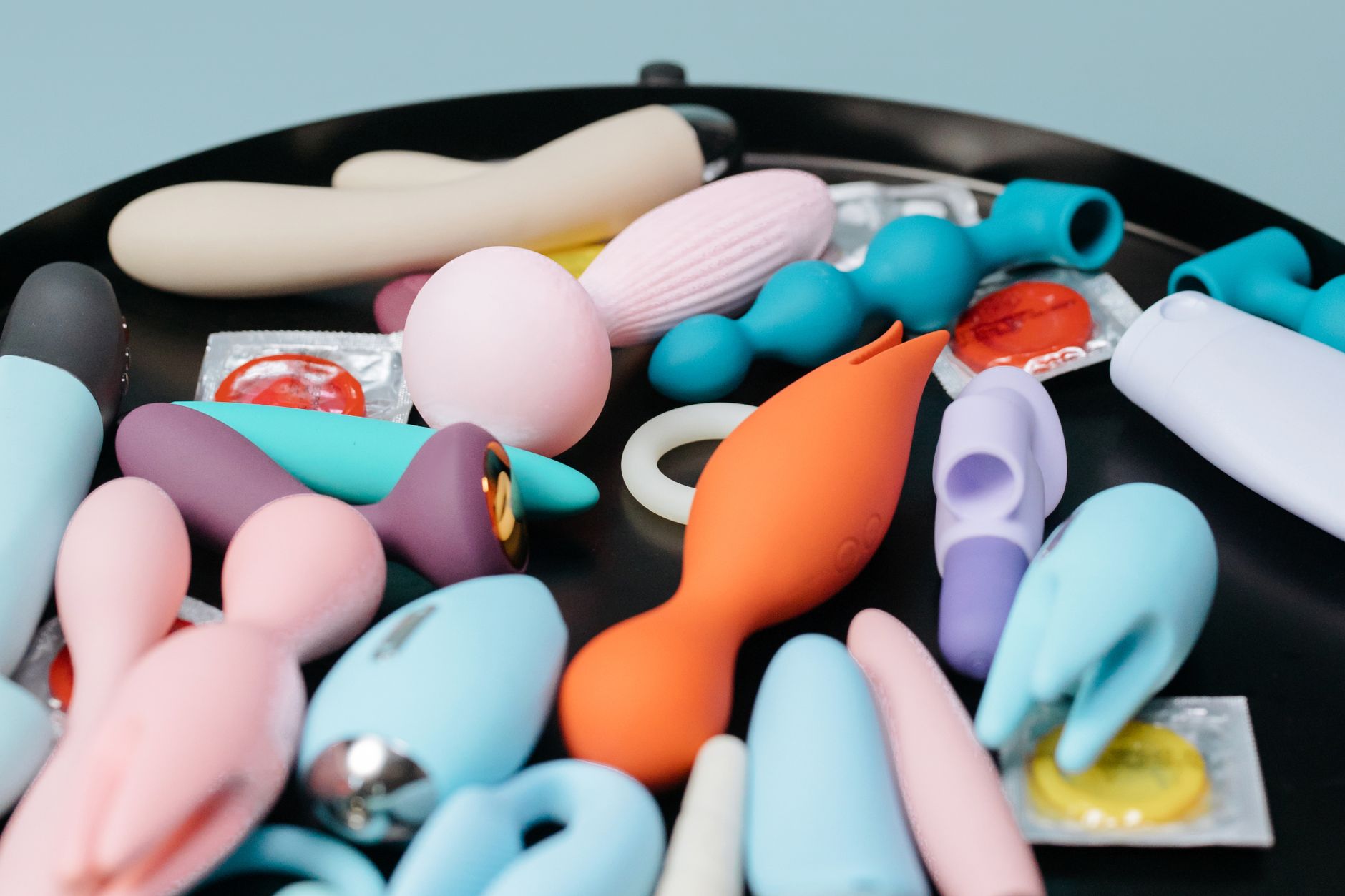
Photo by cottonbro studio on Pexels