
Why your body responds differently now
Let's be real: hormonal shifts mess with pleasure in ways nobody talks about clearly. Estrogen drops, tissue becomes thinner, arousal takes longer to build, and the whole experience can feel genuinely foreign. But here's the thing that matters most. A different response is not a broken response. It's a changed response. And the right tool makes all the difference.
Tissue thickness, lubrication speed, and how quickly nerve endings fire all depend on hormone levels. When those levels shift, the friction-based vibrators you might have used before suddenly feel too intense, too abrasive, or just plain uncomfortable. That's not a sign your pleasure is gone. It's a signal that you need a different approach.
Lemon vibrators, especially those using gentle suction technology like the designs at Hello Nancy, work with your body's new reality instead of fighting it. They stimulate without grinding. They build sensation gradually. And they feel incredible on tissue that needs a lighter touch.
How tissue changes after hormonal shifts
When estrogen declines, the vulva responds measurably. The outer labia can thin slightly. The vaginal tissue loses some of its cushioning. Blood flow changes, which means arousal develops differently. The clitoris itself doesn't shrink, but the tissue surrounding it becomes more delicate.
This is not a problem to solve. It's a fact to work with. Many people find their most intense, most satisfying orgasms happen after hormonal changes, especially when they stop trying to recreate the sensations from before and instead explore what works now.
That's where lemon clitoral vibrators shine. The suction-based technology doesn't rely on repetitive friction against vulnerable tissue. Instead, it creates a gentle vacuum that stimulates the clitoris and the surrounding nerve clusters. For people whose tissue has become more sensitive, this is often transformative.
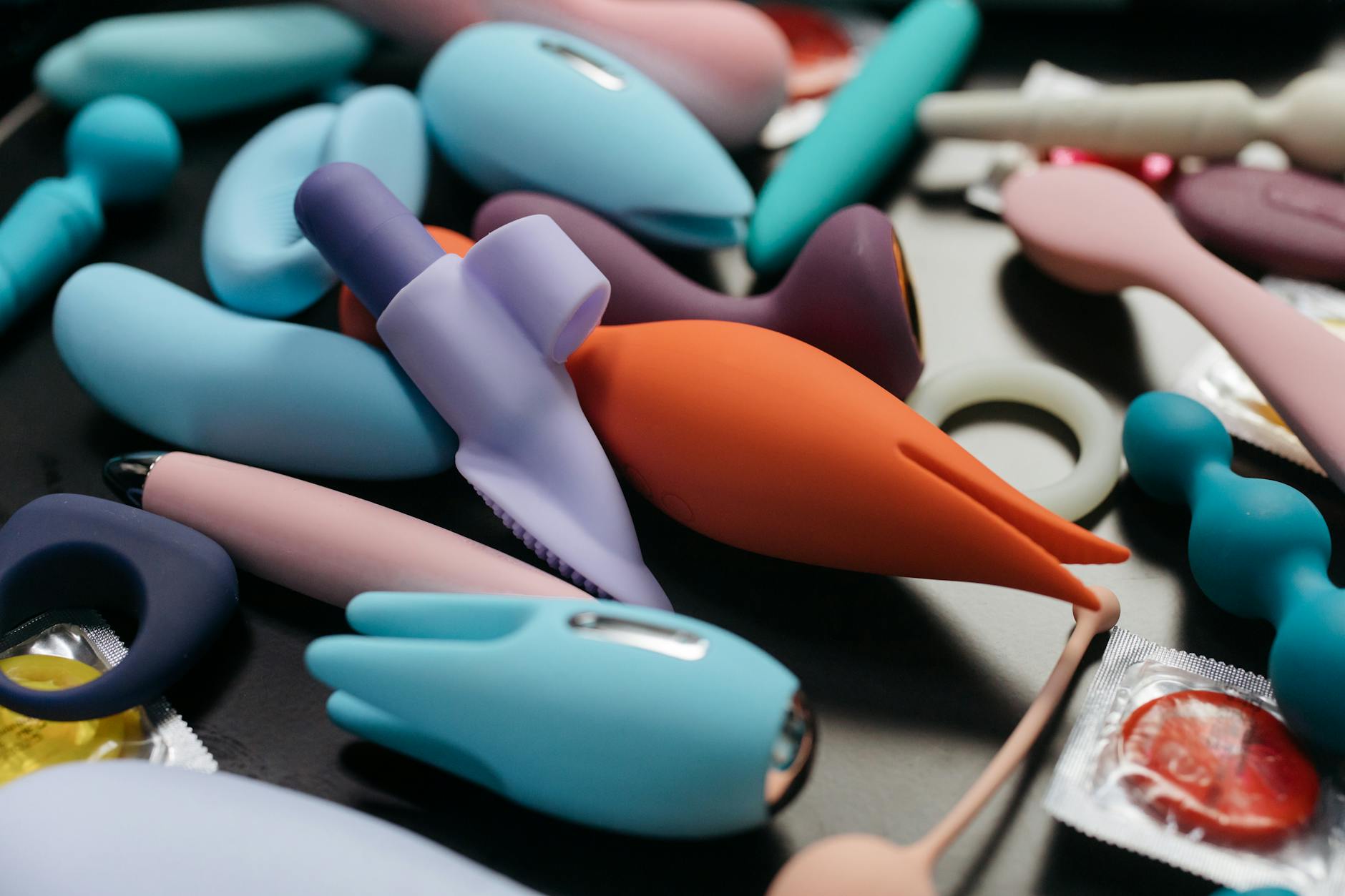
Photo by cottonbro studio on Pexels
Why suction-based vibrators work better with hormonal changes
Traditional clitoral vibrators vibrate side to side or in and out. They require the clitoris to make contact with the vibrating surface repeatedly. For people with thinner, more sensitive tissue, that friction can range from uncomfortable to genuinely painful.
Lemon vibrators use a different mechanism. They create gentle suction and release cycles that stimulate without direct friction. Think of it as more like a kiss than a buzz. The sensation builds differently. The pressure is distributed. And the tissue gets stimulated without being stressed.
The patterns matter too. Most lemon vibrators offer multiple intensity levels and rhythms. This means you can start low and build gradually, which aligns perfectly with how arousal works when hormones shift. Arousal takes longer to build, yes, but it also tends to be more sustained and, frankly, more intense once it gets going.
Many people report that lemon clitoral vibrators actually work better after hormonal changes than before. The mechanism just happens to be ideal for the body you have now, not the body you had ten years ago.
The warmup matters more than you think
When hormonal changes happen, one of the first things people notice is that arousal doesn't happen instantly anymore. A 30-second warmup no longer cuts it. This isn't a loss. It's actually an opportunity.
A longer warmup lets blood flow build, tissue engorge, and the nervous system get genuinely ready. With lemon vibrators, starting at a lower intensity level during this extended warmup often feels better than jumping to high intensity. Your body has time to respond, and the escalation feels natural instead of jarring.
I recommend budgeting 15 to 25 minutes for the full experience instead of 5 to 10. That's not more time. That's a different rhythm. And rhythm matters for pleasure way more than intensity does.
If you're using a lemon sucker or similar device, start at pattern one or two. Spend five to ten minutes there. Then move up. Your tissue will thank you, and the sensation will feel richer because you built it intentionally instead of forcing it.
Lubrication is no longer optional
Here's a practical point that changes everything: water-based lubricant stops being nice and starts being essential. This isn't a sign of failure. It's just biology.
Thinner tissue doesn't produce as much natural lubrication during arousal. Water-based lube isn't a workaround. It's a tool that lets lemon clitoral vibrators do their job without any friction or drag. The suction works even better with lubrication because there's no resistance, no tugging.
Apply liberally before you start. Reapply as needed. This single step often makes the difference between an okay experience and an incredible one. And honestly, having lube on hand normalizes the whole thing. You're not doing anything wrong. You're just being smart about your body.
Silicone-based lubes feel richer, but they can damage silicone toys over time. Stick with water-based. Your lemon vibrator will last longer, and the sensation will be smoother.
When pleasure changes, so does desire
Here's something important that gets overlooked: sometimes people assume pleasure has disappeared when actually desire has shifted. These are not the same thing.
Hormonal changes can absolutely affect desire. Lower testosterone, different estrogen levels, and the physical sensations we experience all influence how much we want to have sex. But that's separable from whether pleasure is possible.
You might find yourself wanting sex less frequently but enjoying it more intensely when it happens. You might want different kinds of touch or different contexts. You might discover that lemon vibrators alone feel better than partnered sex, or vice versa. All of this is normal.
The mistake people make is assuming the less-frequent desire means pleasure is gone. Often it just means the terms have changed. If you're not automatically reaching for a vibrator the way you might have before, that doesn't mean lemon vibrators won't feel incredible when you do. They might actually feel better precisely because you're doing it intentionally instead of automatically.
When to bring a partner into the conversation
If you're in a partnership, hormonal changes create this awkward moment where suddenly something that always worked doesn't anymore. The temptation is to blame it on yourself or on the relationship. Usually it's neither.
The clearest path forward is separating two conversations: "My body is responding differently" is one topic. "I want us to stay connected" is a separate topic. Most couples confuse them, and then both conversations go sideways.
Take lemon vibrators as an example. They're not a replacement for partnered sex. They're a tool that often makes partnered pleasure better because there's less pressure on anyone to perform or figure out what used to work. Using a Hello Nancy lemon sucker during partnered sex, or starting solo with one and then inviting your partner in, often resets the whole dynamic.
Having a straightforward conversation about tissue changes, arousal timelines, and what feels good now prevents a lot of unnecessary hurt and frustration.
What doesn't change, even when hormones do
Here's the part I want to land on hardest: your capacity for pleasure doesn't disappear. Your clitoral nerves don't vanish. Your ability to experience intense, full-body sensation is completely intact.
Many of my clients report that their most satisfying orgasms happen after hormonal changes. This is not a polite lie designed to make people feel better. It's a genuine clinical observation. The reasons vary, but they usually come down to less distraction, more permission, better tools, and a clearer sense of what actually feels good versus what's supposed to feel good.
Lemon vibrators become especially powerful in this context because they eliminate friction, reward patience, and work with your body instead of requiring your body to work harder. They're not a workaround. They're often the optimal tool for the body you actually have.
FAQ: Your actual questions answered
Are lemon vibrators safe to use if I have hormonal changes or take hormone replacement therapy?
Completely safe. Lemon clitoral vibrators are external devices with no systemic effects. Hormone replacement therapy is a separate medical conversation with your provider, but vibrators don't interact with it. The suction-based mechanism just works better with thinner, more sensitive tissue, which is common during hormonal transitions.
Will lemon vibrators feel the same intensity as traditional vibrators after hormonal changes?
No, and that's the point. Lemon vibrators feel different because they work differently. Traditional vibrators rely on friction. Lemon suckers use suction. For post-hormonal bodies, that difference usually feels better, not worse. You might discover you prefer the sensation even if friction-based toys worked fine before.
How long should warmup take with a lemon clitoral vibrator after hormonal changes?
Budget 15 to 25 minutes total, with the vibrator at low intensity for the first 5 to 10 of those. Your tissue needs time to respond, blood flow needs to build, and arousal works differently now. This isn't wasted time. It's foreplay that actually matters.
Can I use lemon vibrators with water-based lubricant?
Yes, always. Water-based lube is essential when tissue is thinner or less lubricated naturally. Apply generously, reapply as needed. This makes the suction work perfectly and eliminates any friction. Silicone-based lubes can damage silicone toys, so stick with water-based.
What if lemon vibrators don't feel like enough after hormonal changes?
Try different intensity patterns first. Many lemon vibrators offer multiple rhythms. A pattern that seemed too intense at first might feel perfect once arousal is fully built. If sensation still feels muted after 10 to 15 minutes at medium to high intensity, you might benefit from a combination approach: using a lemon vibrator on the external clitoris while using fingers internally, or using it with a partner.
Should I see a doctor if pleasure has changed significantly after hormonal shifts?
Yes, if pain accompanies the changes. Genitourinary syndrome (tissue thinning and dryness) is real and highly treatable with topical options. If desire has completely vanished and isn't returning after several weeks, mention it to your provider. Otherwise, trying lemon vibrators and adjusting your approach often resolves the issue without medical intervention.
The bottom line
Your body changed. That's real. But pleasure didn't end. It transformed. Lemon vibrators are one of the best tools for navigating that transformation because they work with your new reality instead of requiring you to force your body back into an old pattern.
Start with a longer warmup, use water-based lubricant, begin at a low intensity, and give yourself permission to explore what feels good now instead of what felt good before. Most people find that lemon clitoral vibrators, especially the suction-based designs from Hello Nancy, deliver some of the most satisfying sensations of their lives after hormonal changes.
Your pleasure matters. Your body deserves tools designed for what it actually is right now, not apologies for what it used to be. If you have questions about what might work best for your specific situation, reach out.