Here's what nobody tells you about sensitivity
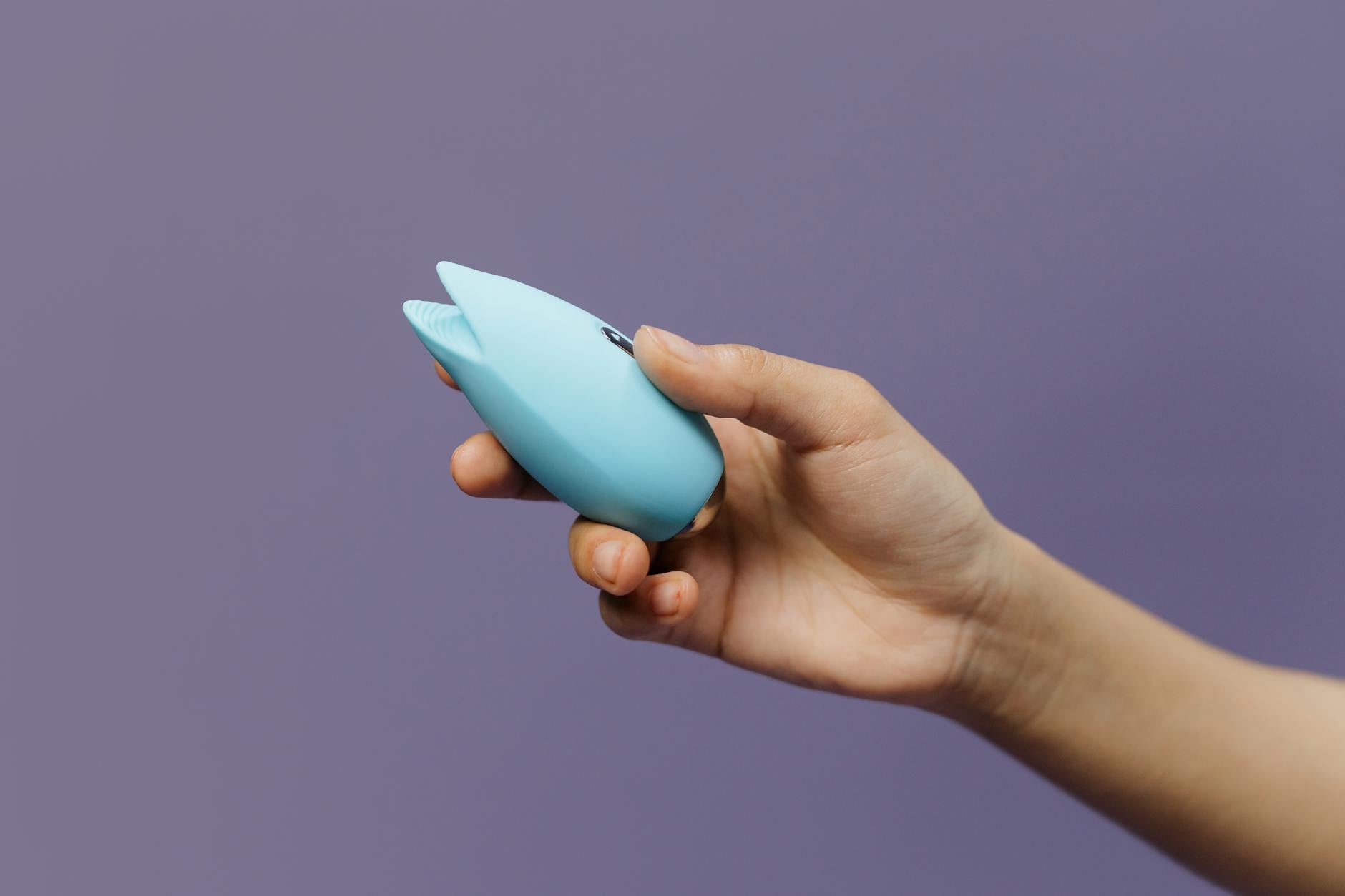
Sensitivity isn't fixed. It shifts with your cycle, your stress level, what you ate, how much sleep you got, whether you're on hormonal medication, and honestly, how into what's happening you actually are. So when you're shopping for a lemon vibrator, you're not buying for one version of your body. You're buying for the range of versions your body cycles through.
Most people make one of two mistakes: they grab the strongest option because they assume "more intensity equals better," or they go timid and pick something so gentle it never quite gets the job done. Both approaches leave you frustrated. The actual move is understanding your baseline sensitivity, knowing how intensity and pattern interact, and picking a lemon sexual toy that gives you options across that range.
Why lemon vibrators work differently for different bodies
The clitoris has about 8,000 nerve endings packed into a tiny area. But they're not all the same type, and they don't all respond to the same stimulus. Some people light up with direct, concentrated pressure. Others need broader, rhythmic stimulation. Some want constant intensity, others want patterns that rise and fall.
Then there's the suction element that makes lemon clitoral vibrators distinct. Instead of just vibration, suction creates a gentle pulling sensation that many people find less intense than traditional vibration at first, but wildly effective once you dial in the right setting. It's less jarring on sensitive tissue and often builds sensation more gradually.
Your personal sensitivity also depends on:
- Tissue thickness and elasticity. This changes with hormones, age, and overall pelvic health.
- Nerve sensitivity. Some people's nerve endings are genuinely more reactive. That's not better or worse. It just means you need different tools.
- Context sensitivity. You might be more sensitive when you're relaxed and focused, less sensitive when you're distracted or under stress.
- Medication effects. Antidepressants, blood pressure meds, and hormonal birth control all affect sensation.
The sensitivity spectrum explained
I think of sensitivity in three zones. You probably live in one or move between two, depending on your cycle and life circumstances.
Highly sensitive. Direct vibration at even mid-range intensity feels overwhelming. You might experience overstimulation quickly, need longer ramp-up time, or find that single patterns work better than cycling patterns. Lemon suction vibrators often work beautifully here because you can start at pattern 1 or 2 and stay there without pressure to escalate. You're not chasing sensation. You're letting it build.
Moderate sensitivity. You enjoy a range of intensities and patterns. You can handle direct vibration but prefer it not to be constant. Suction appeals to you because it feels different and engaging. You're likely to cycle between settings during a session, which means you need a device with clear, accessible pattern options.
Lower sensitivity. You need more intensity to feel much of anything. This isn't a flaw. It might be medication-related, stress-related, age-related, or just how your nervous system is wired. You tend toward stronger vibration, prefer patterns that build quickly, and might need longer sessions to reach climax. You benefit from a lemon vibrator that doesn't max out at wimpy settings.
Here's the thing: most people aren't locked into one zone. When arousal takes longer after 40, you might shift from moderate to needing a bit more intensity. When you're rebuilding intimacy after long-distance time together, you might be highly sensitive from anticipation and emotional connection. That's why picking a lemon sucker with a usable range matters more than picking the absolute strongest or most delicate option.
How to actually assess your own sensitivity
Don't overthink this. Try the simplest test first: touch your clitoris with your finger.
How much pressure does it take before you feel something distinct? Are you looking for barely-there sensation, medium contact, or firm pressure to notice it? That's your baseline.
Now imagine that same touch happening at different speeds. Fast tapping, slow circles, longer strokes. What rhythm feels good? What feels annoying? Most people have a preference that's surprisingly consistent.
Finally, think about your actual orgasm. Does it usually happen quickly once you hit the right spot, or does it take patient build-up? Do you come once and need a break, or can you go multiple times in a session? Can you orgasm from one type of stimulation, or do you need variety? None of these answers are right or wrong, but they all matter for choosing the right lemon vibrator.
Write down your answers. You don't need to overcomplicate it. "Medium pressure, slow rhythm, quick build, multiple rounds" is a perfectly useful profile.
Matching your sensitivity to lemon vibrator features
Once you know your baseline, here's what to look for in a device:
Pattern range. The best lemon sexual toys don't lock you into one experience. Suction patterns let you start gentle and escalate only if you want to. If a device maxes out at only strong patterns, it's not for highly sensitive people. If it only offers wimpy settings, it won't satisfy someone with lower sensitivity.
Ramp-up time. Some lemon clitoral vibrators reach full intensity instantly. Others build gradually. Highly sensitive people usually prefer gradual escalation. It gives your body time to adjust. People with lower sensitivity might prefer devices that get to work faster.
Suction width. Broader suction covers more area and distributes stimulus. Narrower suction concentrates it. If direct vibration usually feels too intense, try suction first. If you need serious sensation, suction alone might not be enough.
Noise. Okay, this seems random, but vibration sound creates a mental association with intensity. A quieter device often feels less jarring, even if the actual sensation is similar. If you're sensitive to overstimulation, a quieter device can help you stay present instead of bracing against the intensity.
Common sensitivity scenarios and what works
You're dealing with numbness or fading sensation. This is super common as people age or after certain medications. You need a device that doesn't max out quickly and offers patterns with enough variation to keep your nervous system engaged. You're not looking for maximum intensity. You're looking for interesting stimulus. Lemon vibrators with cycling patterns usually beat single-setting devices here.
You have a history of trauma or anxiety around touch. Your sensitivity is probably high, but in a different way. You might respond better to patterns that feel rhythmic and predictable rather than chaotic. Starting at the lowest setting and controlling the escalation yourself matters. You need permission to stop or pause without judgment.
You're coming back to pleasure after a long break. Your sensitivity might be temporarily heightened just from the novelty and anticipation. Start gentler than you think you need to. Ease into it. A lemon sucker is often perfect here because you can begin with soft suction and increase gradually only if and when you want to.
You're managing a medical issue like pelvic floor dysfunction or nerve damage. Talk to your doctor first. Then, look for devices with soft, broad stimulus rather than intense, focused stimulus. Suction is often better than vibration. Rhythm matters more than power.
The myth about "training" your sensitivity
You'll sometimes hear that using vibrators makes you numb or that you should avoid them to "keep sensitivity high." That's not how sensation works. Your nervous system doesn't wear out from stimulation. What actually happens is that your brain gets used to the specific stimulus and stops noticing it. The fix isn't less vibration. It's variety.
Switch up your patterns. Take breaks. Try different lemon sexual toys. Let your body experience different types of sensation instead of doing the same thing every time. Your sensitivity stays sharp because you're giving your nervous system something new to process, not because you're practicing restraint.
FAQ: Picking the right lemon vibrator for your body
How do I know if I need a more intense lemon clitoral vibrator?
You don't feel much even at the highest setting on your current device, and orgasm requires a really long session. That said, check the basics first: are you actually turned on? Are you in a calm enough headspace to focus? Is there enough lubrication? Sometimes what feels like a sensitivity issue is actually attention, arousal, or friction. If you've ruled those out and genuinely need more stimulus, a stronger lemon vibrator might help. But intensity isn't the only variable. Pattern variety matters just as much.
What if I'm sensitive to overstimulation?
Start with lemon suction vibrators instead of traditional vibrators. The sensation is gentler and you can control the ramp-up. Begin at pattern 1 and spend real time there before moving up. Don't feel obligated to escalate. Staying at a low or medium setting is totally valid. Many people actually prefer it. Having a device that lets you stay comfortable rather than constantly chasing more is actually the move.
Does sensitivity change throughout my cycle?
Absolutely. Most people report higher sensitivity in the days right before ovulation and lower sensitivity after ovulation. Stress, sleep, and what you've eaten also shift things. If your sensitivity seems to change week to week, that's normal. You don't need a different device. You just might adjust which pattern you use on a given day. This is actually why having a lemon vibrator with a usable range is so useful.
Can medications affect how I feel sensations?
Yes. Antidepressants, antihistamines, blood pressure medications, and birth control can all affect sensation. If you've noticed a change in sensitivity after starting something new, that's worth mentioning to your doctor. But don't just stop taking medication hoping sensation comes back. Talk to your doctor about whether there are alternatives or adjustments that might help. In the meantime, a lemon sexual toy with broader stimulus options can help bridge the gap.
What's the difference between lemon suction and regular vibration for sensitivity?
Suction creates a pulling sensation rather than a buzzing one. It usually feels less intense at first, so people with high sensitivity often prefer starting here. It also distributes stimulus over a slightly broader area, which can feel less concentrated and jarring. That said, everyone's different. The best approach is trying both and seeing what your body actually prefers.
How long should it take to find the right lemon vibrator for me?
Give yourself at least a few sessions. Your body's response might shift as you get used to the device and as your brain learns what patterns you actually like. Some people click with a device immediately. Others need time to dial in comfort and find their favorite settings. Neither timeline is wrong. Be patient with the discovery process.
The real move
Choosing a lemon clitoral vibrator based on your sensitivity isn't about finding the "perfect" device. It's about picking one that meets you where you are right now and gives you room to explore different sensations as your body and life change. Look for a range of intensities and patterns. Trust your baseline assessment. Pay attention to how your body actually responds, not how you think it should respond. And remember that sensitivity isn't a fixed thing you have to accept. It's something you can work with, understand, and use to get better pleasure.
Want to talk through what might work best for your situation? We're here to help. Reach out and let's figure it out together.