
When sensation goes quiet, everything changes
Let's be real: reduced sensation during sex feels isolating. You're present, your partner is present, everything looks like it should work. Then you realize you're not actually feeling much of anything. It's not that you don't want pleasure. Your nervous system just isn't sending the signal.
This happens more than most people admit. Medication, anxiety, hormonal shifts, past trauma, pelvic floor tension, even just chronic stress can all flatten sensation. The good news is that sensation isn't gone. It's just blocked. And lemon vibrators, specifically clitoral vibrators that use air-suction technology, are one of the most effective ways to wake it back up.
Why numbness happens (and it's not always obvious)
Your clitoris has thousands of nerve endings, but they only fire when stimulation meets a specific intensity threshold. If you're stressed, on antidepressants, dealing with hormonal changes, or have pelvic floor tension from holding your breath during sex, that threshold climbs higher. You need more signal to get through the noise.
Traditional vibrators buzz at one intensity level. If that level doesn't reach your threshold, they won't work. But air-suction technology, which lemon vibrators use, works differently. It creates a rhythmic pressure that stimulates the entire nerve cluster at once, not just the surface. For people with reduced sensation, this is often the difference between nothing and everything.
The reset: starting with intention
If you've spent months or years not feeling much, your first session with a lemon clitoral vibrator needs to be intentional. This isn't about making something work. It's about reintroducing your body to sensation in a low-pressure way.
Set aside 20-30 minutes when you're not rushed. Turn off your phone. Dim the lights. The goal isn't an orgasm. The goal is curiosity. What can you actually feel?
Start with the lowest setting. Most lemon vibrators like the Lem offer multiple intensity levels, and numbness often requires patience. You're not looking for the strongest sensation immediately. You're looking for the first moment where you think, "Oh. I feel that." That moment matters more than intensity.
Technique: where the magic actually happens
Here's what I see happen most often: someone gets a vibrator, turns it on, holds it in place, and waits. That works for some people. For people with reduced sensation, it's the wrong strategy.
Instead, try this:
Start with pressure and movement. Don't just hover the vibrator on your clitoris. Press it against your skin gently, then move it in small circles. The combination of pressure plus rhythm plus movement creates more total stimulation than any single element alone. Your nervous system is getting multiple signals at once, which is harder to ignore.
Breathe deliberately. This sounds weirdly simple, but holding your breath is one of the most common ways we suppress sensation. When you notice yourself tensing, take a full breath in, hold for three seconds, then exhale slowly. This activates your parasympathetic nervous system and literally increases blood flow to your genitals. More blood flow means more potential for sensation.
Layer in lubrication. Dry tissue feels less than lubricated tissue. This is basic physiology. Use a water-based lube and reapply every 2-3 minutes. It's not that you're broken. It's that lube is infrastructure.
Change angles. The clitoris has a hood, a body, and a glans. Sensation can vary wildly across these zones. If one area feels numb, try approaching from a different angle. Pull the hood back slightly. Angle the vibrator so it's hitting the side rather than directly on top.
When numbness is tied to tension
Many people with reduced sensation also have tight pelvic floor muscles. Your body learned to protect itself by clenching, and now that clenching is protecting you from feeling anything.
Before you use a lemon vibrator, spend three minutes just releasing. Lie down. Press your fingers gently into the muscles between your anus and your vulva. Breathe into that spot. Feel where it's tight. This is awareness, not aggression. You're not trying to break the tension. You're just noticing it.
Then when you use your vibrator, keep checking in: am I clenching again? If yes, pause, breathe, reset. Over weeks, this practice teaches your nervous system that sensation is safe, and the tension naturally releases.
Building the habit (this part matters)
Sensation doesn't return overnight. If you've been numb for months, it might take 4-6 weeks of regular exploration before things shift noticeably. That's not failure. That's healing.
Use your lemon vibrator 2-3 times a week, ideally at the same time of day when you're less stressed. Your brain learns rhythms. Consistency is more powerful than intensity. Keep a small journal if it helps: What did I feel? Where? What was I thinking about? Did my breathing change? These notes help you see progress that might not feel dramatic in the moment.
Some people find that sensation returns in unexpected ways. Maybe you notice a tingling sensation that wasn't there before. Maybe orgasms feel different, not necessarily better, just different. Maybe you realize you were holding a lot of shame about your body, and pleasure becomes possible once that releases. All of this is progress.
When to involve a partner
If you're in a relationship, your partner doesn't need to be in the room the first few times. Let yourself explore alone first. Get reacquainted with your own body without the pressure of someone else's expectations. Once you've had a few solo sessions and you're noticing shifts in sensation, then you can invite your partner to participate.
When they're involved, focus the conversation on curiosity, not performance: "I want to explore what actually feels good to my body right now." Not: "I want to make this work for you." That distinction changes everything. Your partner's job is to witness, support, and maybe help apply lube or hold a light. Not to fix you. Not to make it work. Just to be there.
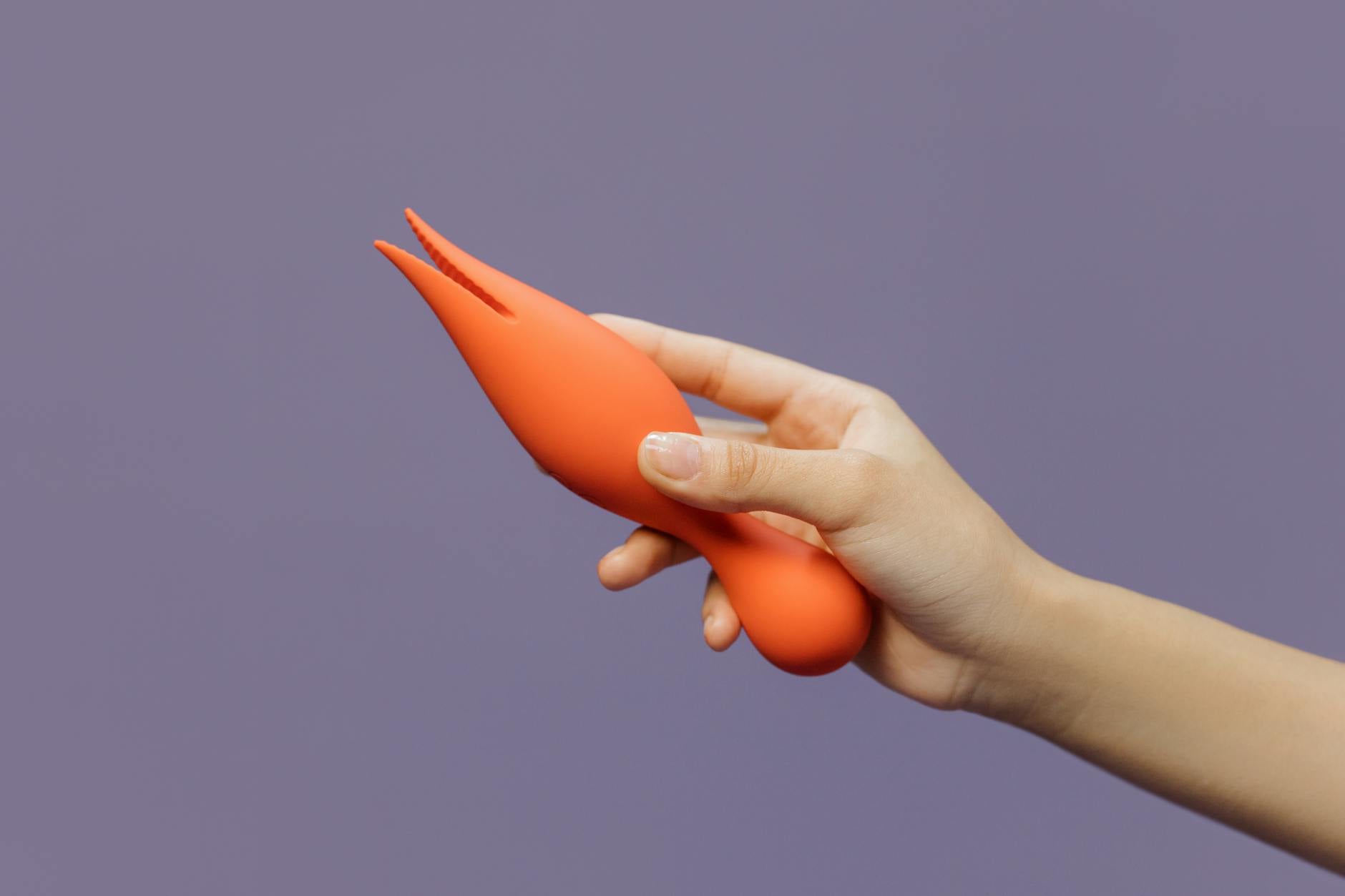
Photo by cottonbro studio on Pexels
The role of medication if it's involved
If your numbness is linked to a medication like an antidepressant, don't stop taking it. But do talk to your prescriber about timing. Some medications are easier on sexual function if you take them at night. Some can be adjusted. Some can be paired with an additional medication that counters the sexual side effect. These conversations feel awkward, but they're medical, and your doctor has had them hundreds of times.
While you're working with your provider on the medication side, a lemon vibrator becomes even more valuable. It's a tool that can help you access sensation despite the medication's impact. They're not mutually exclusive. You can do both.
When sensation does return
One day, maybe two weeks in, maybe two months in, you'll use your vibrator and something will feel different. Sharper. More present. Like the signal is finally breaking through the static. That moment is worth the patience it took to get there.
Sensation, once it starts returning, often expands beyond just the vibrator. You'll notice your partner's touch more. You'll feel your own hands more. Your whole nervous system wakes up. That's not because the vibrator is magic. It's because you taught your body that feeling is safe again.
FAQ
Can I use a lemon vibrator if I'm completely numb?
Yes, but start with expectation-setting. You're not trying to have an orgasm. You're trying to notice if anything registers. That might be tingling, warmth, or just a sense of pressure. All of those are sensation returning. Give it several sessions before deciding it's not working.
How long does it typically take to restore sensation?
Everyone's timeline is different. For some people, sensation shifts noticeably within 2-3 weeks of consistent use. For others, it takes 2-3 months. Factors like stress levels, medication side effects, pelvic floor tension, and past trauma all play a role. Patience is part of the healing, not a sign that it's not working.
Will a lemon vibrator work if my numbness is from medication?
Often yes, but not always completely. Antidepressants, antipsychotics, and some blood pressure medications can significantly flatten sensation. A lemon clitoral vibrator is a strong tool, but it works best when paired with a conversation with your prescriber about timing or adjusting your dose. They're not either-or strategies.
Should my partner be involved from the start?
Not necessarily. Solo exploration first helps you avoid the pressure of performing or worrying about your partner's experience. Once you've had a few sessions alone and you're noticing shifts, then inviting your partner in often deepens the experience. You're not hiding. You're building your own foundation first.
What if sensation returns but orgasms feel different than before?
This is actually common and usually not a problem. Orgasms after a period of numbness might feel more localized, less intense, or differently shaped than your previous experience. That doesn't mean something is wrong. Your nervous system is relearning. Sensation often settles into a new normal that can actually feel deeper and more present than before.
Can I use a lemon vibrator alongside therapy for trauma?
Absolutely, and in many cases it's genuinely helpful. Pleasure reconnection is often part of trauma recovery. Just let your therapist know you're doing this work so you can process any feelings that come up. Sometimes numbness is protective, and as it lifts, you might feel emotions you've been holding. That's okay. It's part of coming back to yourself.