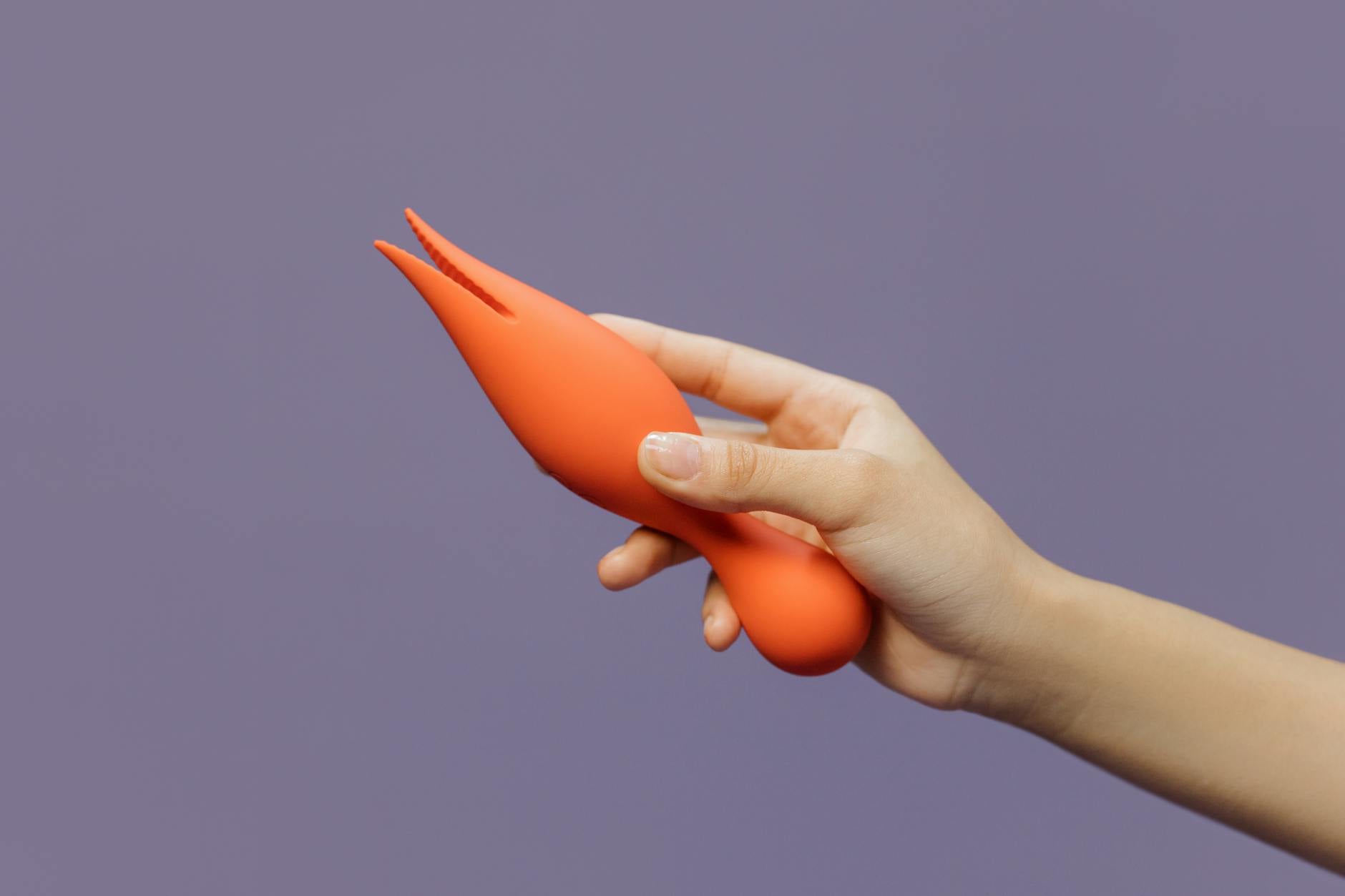
How to Use Lemon Vibrators for Pleasure After a Long Relationship Ends
Here's the thing nobody tells you about breakups: your body forgets how to be alone. Not in an emotional way. In a literal, physical way.
When you've spent years (sometimes decades) having sex with a partner, your arousal becomes partnered arousal. Your body learns the rhythm of someone else's touch, the buildup someone else controls, the timing someone else sets. Then suddenly you're solo again, and your nervous system is basically asking: "What do I do with this?"
Lemon Sex Toy clitoral vibrators are not a replacement for connection. But they are genuinely useful tools for relearning pleasure on your own terms. This post is about how to use them deliberately, without pressure, as you rebuild your relationship with your own body.
Why solo pleasure feels different after a breakup
There's a real neurological reason why masturbation after a long relationship feels weird, frustrating, or even impossible.
During partnered sex, your brain is processing two bodies, two rhythms, anticipation, responsiveness. Your dopamine is coming partly from the other person's presence and pleasure. Your oxytocin is linked to bonding and vulnerability with someone specific. Your nervous system is in a semi-regulated state because another body is there.
When you're alone, you lose that external regulation. Your dopamine has to come entirely from your own stimulation. There's no one to perform for, which sounds liberating until you realize it means your brain has to generate all the incentive itself. For some people, that's easier. For most people coming out of long relationships, it's harder.
That's not a personal failure. That's neurobiology.
What lemon clitoral vibrators do differently
Lemon vibrators, especially air-suction models like the lem vibrator, create stimulation that's completely different from fingers or partnered touch. This is actually an advantage when you're relearning solo pleasure.
With hands, your brain knows it's you. There's a self-consciousness to it, a sense of performing for yourself (which sounds absurd and is also completely real). Vibrators create a novel stimulus your nervous system hasn't fully habituated to. The suction sensation is rhythmic but still varied enough to hold attention. Your brain can't switch into "oh, this is me touching me" mode.
Lemon sexual toys also remove the timing pressure. You're not coordinating with anyone. You're not waiting for someone else's arousal to build. You're not managing someone else's pleasure or comfort. You can spend ten minutes on one sensation if you want. You can switch patterns mid-climax. You can stop and breathe and start again without explaining anything.
For people exiting long relationships, that autonomy rewires something. It says to your nervous system: "Your pleasure is valid on its own terms. It doesn't need an audience or a partner to matter."
The first week: starting without performance pressure
Don't try to orgasm. I know that sounds weird coming from someone recommending a vibrator. But the fastest way to sabotage solo pleasure is to turn it into another performance metric.
Instead, use a lemon clitoral vibrator like an exploration tool. Set aside 20 minutes when you're not rushed. This isn't date night with yourself. It's just curiosity.
Start at the lowest setting. Spend five minutes noticing sensation without trying to escalate. Where does the vibration feel strongest? What's the difference between the sensation on one side of your clitoris versus the other? What rhythm makes your breathing change?
After a long relationship, your body might take longer to wake up. That's not abnormal. That's information. You're essentially telling your nervous system: "We have space to feel things now."
Do this without orgasm as the goal for at least a few sessions. Once your brain stops hunting for a climax, arousal often arrives on its own.
Weeks two and three: patterns and rhythm
Most lemon vibrators have multiple patterns beyond simple on-and-off. The lem vibrator, for example, has distinct modes that feel completely different from each other.
Now that you've explored sensation without pressure, spend time actually testing patterns. Don't treat this as a race to find the one that makes you come the fastest. That's still performance thinking.
Instead, notice:
- Which patterns make your hips move?
- Which ones create that small gasp of surprise?
- Which ones feel good for ten seconds then lose interest?
- Which ones you want to return to after a break?
These patterns become your map. Over time, you'll develop preferences that feel distinctly yours, not learned from a partner. That distinction matters psychologically. You're building a solo sexuality instead of just reproducing partnered sexuality alone.
Many people find that rhythm builds arousal faster than intensity. You might discover you prefer a medium-speed pattern held steady for several minutes over a high-intensity blast. You might like the opposite. There's no correct answer. Your answer is the only one that matters.
The breakthrough moment (when arousal finally arrives)
At some point between week two and week six (timelines vary wildly, and that's fine), something shifts. Your arousal will arrive not as something you're chasing but as something that's just happening.
You'll notice: your breathing changed. Your hips started moving without permission. Your internal awareness narrowed to just sensation. The self-conscious observer in your head got quiet.
That's not an orgasm necessarily. That's arousal. That's your nervous system saying yes.
When that happens, this is where lemon adult toys really shine. You can stay with the sensation. You can let it build. You can orgasm or not orgasm and both are fine. There's no one waiting for you to finish. There's no performance clock running.
Some people find their orgasms are different after long relationships. They might be quieter or less intense at first. They might build differently. They might feel localized instead of full-body. None of that is worse. It's just different because your context is different. You're solo. Your body is responding to that.
Practical things that help in the middle of all this
Four small things make the difference between frustration and genuine pleasure rediscovery:
Consistency beats intensity. Using your lemon vibrator twice a week for three weeks works better than a marathon session once a month. Your nervous system learns patterns through repetition.
Alone time actually means alone. No phone buzzing nearby. No part of your brain thinking about your to-do list. If your space isn't inherently quiet, use a white noise app. Your attention is the most valuable thing you're bringing.
Lube is not optional. Even if you're naturally lubricated, a bit of water-based lube makes everything feel better and reduces friction irritation. It's not about dysfunction. It's about comfort. Comfort lets arousal happen.
Take breaks without shame. If a session isn't working, stop. Rest. Try again tomorrow. Your body doesn't owe anyone (including you) an orgasm on a schedule.
When this connects back to relationship readiness
Rediscovering solo pleasure isn't just about you and your vibrator. Neurologically, it's rewiring your capacity for arousal. You're learning that pleasure can come from your own nervous system activation, not just external touch. That's actually foundational for healthier partnered sex later, if you want it.
People who rebuild their solo sexuality after breakups often report that future partnered sex feels less desperate, less performance-focused, more genuinely connected. That's not coincidence. It's because you've already proven to your nervous system that you can access pleasure independently. Now partnership becomes optional connection instead of necessary validation.
That shifts everything.
Troubleshooting the common stuck points
"I'm not getting aroused and it's been weeks." This is common when depression, grief, or medication is involved. Solo pleasure rebuild with lemon vibrators still works. Just extend your timeline. Start with even lower expectations: does the sensation feel pleasant, even if it doesn't feel sexy? Pleasure comes before arousal sometimes.
"I feel guilty about using a vibrator solo." That guilt often traces back to old messages about sexuality needing an audience or purpose. Your pleasure doesn't need permission or justification. It doesn't need to lead to anything. Sensation for its own sake is valid.
"I keep having thoughts about my ex during this." That's normal intrusive thoughts. Notice them like clouds passing, then redirect attention back to pure sensation. Your body is relearning its own signals. Your brain will catch up.
"My arousal peaks and then crashes instead of building to orgasm." Welcome to solo sexuality after long relationships. This is fixable through pattern variation. When arousal peaks, try switching to a different pattern or intensity instead of maintaining exactly what you were doing. Sometimes the plateau needs novelty to tip into orgasm.
When to reach out for support
If you're finding that pleasure feels impossible even with consistent effort over two months, or if sensation feels numb in a way that worries you, it's worth checking in with your doctor. Sometimes medication changes, hormone shifts, or depression can genuinely reduce sensation capacity. That's clinical and treatable, not a personal failing.
Consider talking with a therapist if the breakup itself is creating blocks around pleasure. Grief, anger, and shame can all lodge in your body. A trained professional can help you process those so your nervous system has space to feel good things again.
The long view
You don't need a relationship to have a sexuality. You don't need permission to explore your own arousal. You don't need an audience for pleasure to matter.
Lemon vibrators are just tools. But they're tools that can help you remember that your body's capacity for pleasure belongs to you entirely. Not to anyone else. Not to anyone's performance. Just yours.
Start small. Be patient. Notice what feels good. Let the rest follow.
People also ask
How long does it usually take to feel pleasure again after a breakup using a lemon vibrator?
Timelines vary wildly, but most people see shifts in their first two to three weeks of consistent practice. Some feel arousal returning immediately once they have permission to explore without performance pressure. Others need four to six weeks for their nervous system to fully relax into solo sensation. If you're at three months with zero sensation shift, that's worth discussing with a doctor. Depression, hormonal changes, and medication can all affect arousal capacity. That's clinical, not personal failure.
Can lemon clitoral vibrators help if I'm feeling numb emotionally after the breakup?
Yes, with a caveat. Vibrators can help reconnect you with sensation when depression creates numbness. But if your numbness is deep emotional depression rather than just physical sensation dampening, that needs support beyond a vibrator. Consider working with a therapist alongside exploring solo pleasure. They often work better together than separately.
Is it normal to feel guilty using a vibrator solo after being in a relationship?
Completely normal, and also something worth examining. That guilt often comes from old messages that sexuality needs a partner, needs purpose, needs to be productive somehow. Your pleasure is valid entirely on its own terms. It doesn't need to lead anywhere. It doesn't need an audience. If that guilt feels overwhelming, talking through it with a therapist can help you untangle where it came from and why you don't need to carry it forward.
What if my arousal builds with a lemon vibrator but I can't seem to orgasm?
That's actually really common when you're relearning solo pleasure. Your nervous system is remembering how to access arousal, which is different from how to move from arousal to climax. Try: switching patterns or intensity when you feel arousal peak, varying rhythm instead of staying steady, extending sessions longer (sometimes your body needs 20-30 minutes to fully release), or simply stopping the session and resting a few days before trying again. Sometimes taking pressure off the outcome entirely lets the orgasm arrive naturally.
Do I need to use lubricant with lemon sexual toys?
Yes, even if you're naturally lubricated. Lube reduces friction, increases comfort, and makes sensation feel better. It's not about dysfunction. It's about giving your body the best possible experience. Use water-based lube with silicone toys and always check your toy's material specifications. Even five minutes of discomfort can interrupt arousal, so invest in good lube.
How do I know when I'm ready to try partnered sex again after using lemon vibrators for solo pleasure?
When solo pleasure feels genuinely good without performance pressure, that's one marker. When you can access arousal knowing you don't need a partner to validate it, that's another. The real sign is when you want partnered sex from a place of genuine interest, not from loneliness or obligation. That wanting is different from needing. Focus on that distinction rather than timelines.