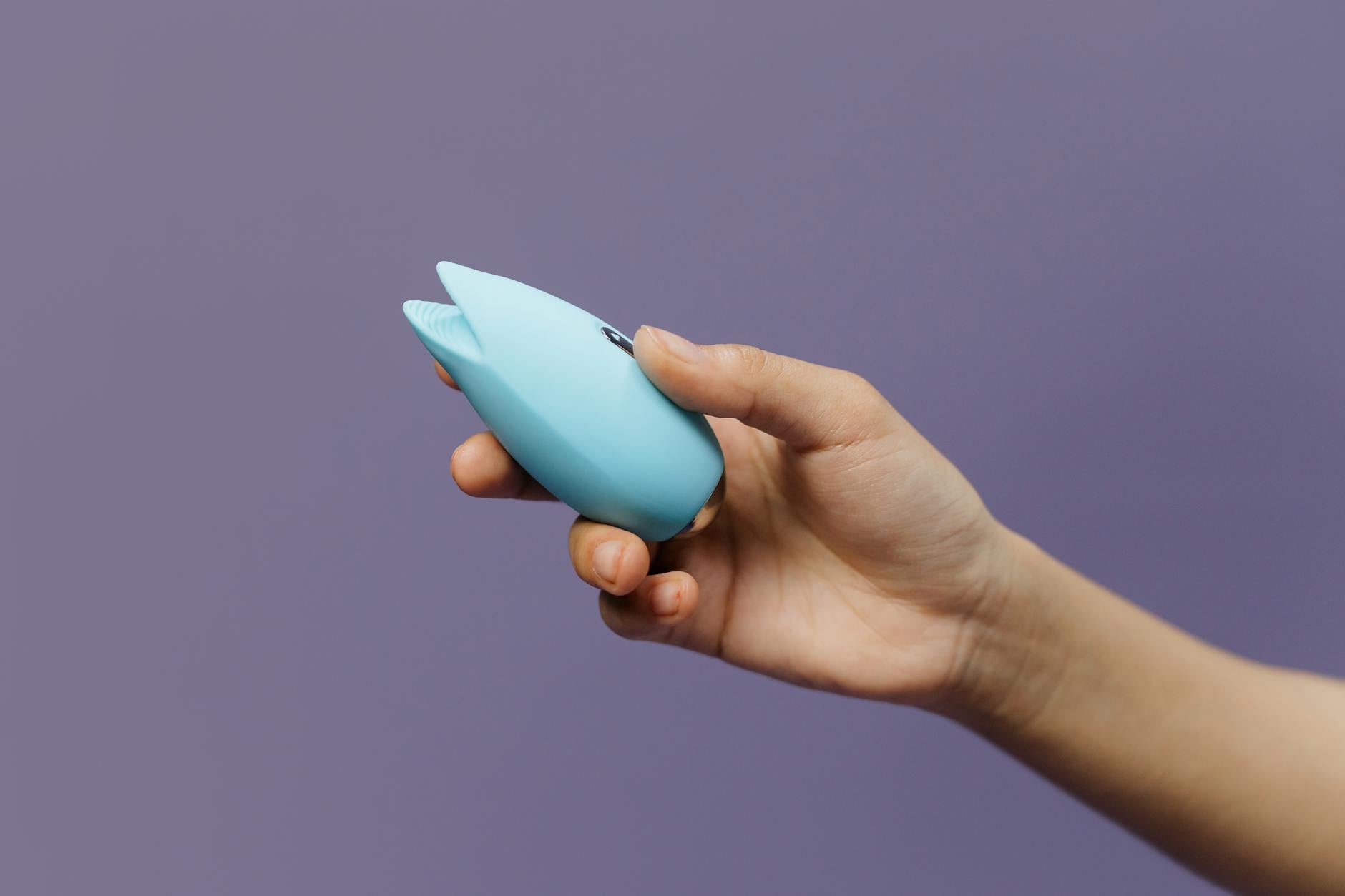
How to Use Lemon Vibrators When Arousal Feels Numb or Delayed
Let's be real. You've noticed that arousal doesn't just show up anymore. It takes forever to build. Sometimes it doesn't show up at all. And when you do feel something, it's faint. Distant. Like you're experiencing it through a layer of glass.
This isn't about your body being broken or your desire being gone. Arousal delay and numbness are specific neurological phenomena, and they respond to specific tools. A lemon vibrator works differently than fingers or standard vibration because it recruits a different set of nerve pathways. Understanding how that works is the first step to getting sensation back.
What's actually happening with delayed arousal
Arousal numbness comes from a few different places. Stress keeps your nervous system in a protective state. It doesn't shut off pleasure completely. Instead, it turns down the signal-to-noise ratio. Your clitoris is still there. The nerve pathways are still intact. But your brain is prioritizing survival over sensation.
Medication can do this too. SSRIs flatten affect as a side effect. Antihistamines dry tissues and dull sensation. Even birth control can muffle arousal by changing where testosterone is available in your brain. The tissues aren't damaged. The wiring is still working. But the volume has been turned down.
Hormonal fluctuations do something similar. During different cycle phases, arousal builds faster or slower. The difference between day 7 of your cycle and day 21 can be radical. Same body, same partner, wildly different sensation.
The good news: all of these states are responsive. The nervous system is plastic. It rewires itself based on input. Sensation can be rebuilt.
Why lemon clitoral vibrators work for numbness specifically
Most vibrators use percussion. They buzz fast. They rely on high-frequency vibration to trigger nerve firing. That works fine when you've got baseline sensitivity. But if arousal is numb or delayed, high-frequency buzzing often feels like nothing. You turn it up, it gets harsh, and you turn it off.
Lemon vibrators use suction and pulsing patterns instead. Suction creates negative pressure that pulls tissue toward the device. That's a completely different sensation. It recruits different nerve clusters. It also creates a slower, more sustained pulse cycle rather than a fast buzz.
For someone with delayed arousal, that matters enormously. Your nervous system is used to tuning out fast noise. Suction feels novel. It's harder to zone out because the sensation builds differently. It's also easier to tolerate at lower intensities, which means you can start where you actually are instead of jumping to intensity 5 because intensity 1 felt like nothing.
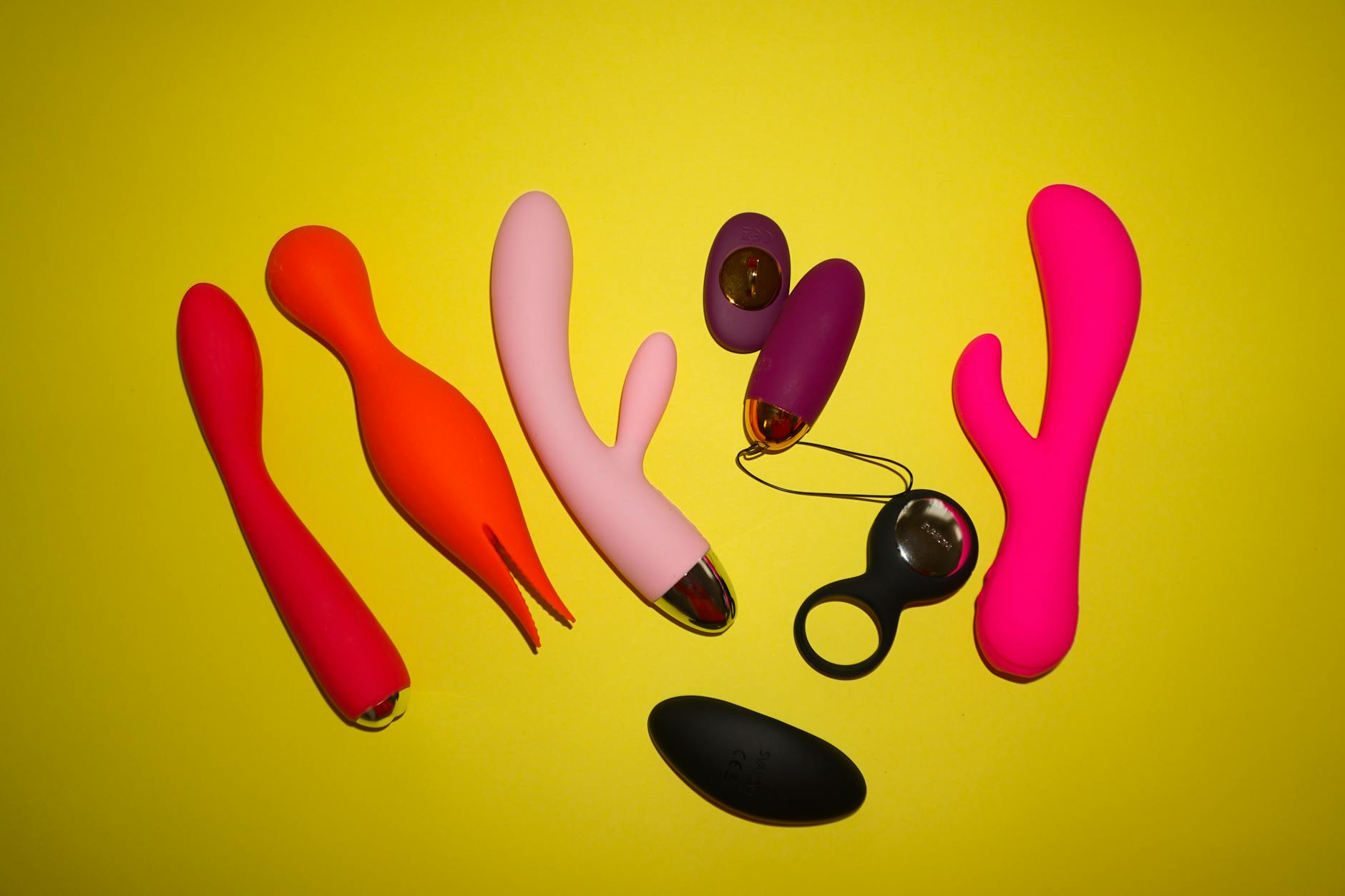
Photo by FounderTips . on Pexels
The rebuild protocol that actually works
If you've been numb for a while, jumping straight to a lemon vibrator at intensity 5 won't work. Your nervous system needs to remember what sensation feels like. This is a rebuild, not a test.
Start with intention-setting. Spend five minutes before you touch yourself noticing your breath, your heartbeat, the texture of the sheets. This sounds woo until you understand that you're literally priming your sensory cortex. You're telling your brain that sensation information is about to arrive and it should pay attention.
Begin at intensity 1 or 2 on a lemon vibrator. The Lem or other suction-based lemon sexual toys are designed for this exact scenario. The pulsing pattern at low intensity feels more like gentle pressure than vibration. Spend time here. Five to ten minutes. This isn't a sprint to orgasm. It's data collection.
Notice what you feel. Cold? Pressure? A vague tingle? That's enough. Your nervous system is logging the information. You're teaching it that sensation is safe and worth paying attention to.
If nothing is registering at all, take a break. Literally stop. Don't lie there trying harder. Trying harder is the opposite of what your nervous system needs. Come back tomorrow.
Over days or weeks, you'll notice the signal getting clearer. Patterns become easier to feel. After a few sessions, you can try intensity 3. The goal is never to push to orgasm. The goal is to rebuild the pathway.
The role of arousal pace in sensation rebuild
Most sex advice assumes arousal is binary. You're either in the mood or you're not. In reality, arousal has a pace. For some people, it's fast. They feel it building within seconds. For others, it's slow. It takes 15 or 20 minutes of consistent stimulation before anything registers.
When you've been numb, your pace might feel glacial. Or it might feel inconsistent. Tuesday you can feel a subtle tingle. Wednesday you feel nothing.
This is where lemon vibrators help specifically. Because the sensation is novel, your nervous system stays engaged. It doesn't habituate as fast. You're not just buzzing against tissue you've buzzed against a thousand times. Suction-based lemon clitoral vibrators create a different tactile experience, which means your brain keeps paying attention.
Also important: arousal pace isn't something you fix by willpower. You can't rush it. But you can create conditions where it's more likely to happen. Consistency matters more than intensity. Using a lemon vibrator three times a week at low intensity for 15 minutes builds more sensation than once a week at intensity 8 for three minutes.
When you're using a lemon vibrator with a partner
If you're in a relationship and arousal has gone numb, your partner probably thinks it's about them. It's not. But the fear that it is can make everything worse. Pressure kills arousal dead.
The best version of this conversation is honest and practical. "My arousal has gotten slower to build. I'm going to spend some time rebuilding sensation. I'm going to use tools that work better for this, like lemon sexual toys. I want to stay connected to you during this, but it's going to look different for a bit." Most partners are relieved to hear a specific plan instead of pretending nothing is wrong.
Then decide how much your partner is involved. Some people want to use lemon vibrators solo for a few weeks before involving a partner. Others want the partner present, just not pressuring. Others want to explore together. There's no right answer. What matters is that you're both clear about the boundaries.
If you do involve a partner, the lemon vibrator can become a shared tool. They can hold it. They can control the intensity while you're the one receiving. This keeps them involved without making you feel watched or judged.
What to do if sensation still isn't returning
Most people rebuild arousal sensation within two to three weeks of consistent use. But sometimes it takes longer. Sometimes there's an underlying medical issue.
If you've been using lemon clitoral vibrators consistently at low intensity for a month and feel nothing, see a doctor. Thyroid problems, undiagnosed hormonal shifts, complications from medication. These are real and fixable, but they need professional attention.
Also check in with medication timing. If you're on an SSRI, sometimes shifting the dose or timing can help. If you're on birth control, sometimes a different formulation works better. These conversations are worth having with your provider.
And don't dismiss the emotional layer. Sometimes numbness is partly neurological and partly psychological. If you've been stressed or in a difficult relationship, your nervous system might need both the tool and the reassurance that pleasure is safe. Therapy and lemon vibrators both have a role.
Weaving sensation work into your regular life
Once sensation starts coming back, the goal is to keep building it. This doesn't mean using a lemon vibrator every day forever. It means creating a practice.
For many people, that looks like twice a week. Solo with a lemon vibrator or suction-based lemon adult toy, just for sensation. No pressure to orgasm. No performance. Just reconnecting with what your body can feel. That consistency keeps the pathway active. It tells your nervous system that sensation is important information.
You might also notice that as sensation builds, it becomes easier to access with a partner. Or with other tools. The goal isn't to become dependent on a lemon vibrator. The goal is to rebuild the underlying capacity. The vibrator is the tool that does it most efficiently.
People also ask
Why does delayed arousal happen after antidepressants but not immediately?
SSRIs typically flatten arousal as an adjustment side effect. It often improves as your body acclimates, but not always. Sometimes your provider can adjust the timing or dose. Sometimes switching medications helps. If you're on an antidepressant and arousal has gone numb, that's worth a direct conversation with your prescriber. They have options.
Can lemon vibrators help if the numbness is from trauma?
Trauma-related arousal numbness is complicated because it's protective. Your nervous system turned down sensation because feeling things was dangerous. A lemon vibrator can help rebuild sensation gradually, but usually not alone. Trauma-informed therapy plus sensate focus exercises plus a tool like a lemon clitoral vibrator works better together. If this is your situation, consider working with a therapist trained in somatic experiencing or sensorimotor psychotherapy alongside using a vibrator.
How long before I feel something with a lemon vibrator if I've been numb for years?
It depends on the source of numbness. If it's stress or medication adjustment, often two to four weeks of consistent low-intensity use shows results. If it's been years and nobody's addressed it, sometimes longer. The pattern matters more than the timeline. Consistency beats intensity every time. Some people report noticing a shift within days. Others take months. Keep showing up and the signal will return.
Is it normal that lemon vibrators feel different than other vibrators?
Completely normal. Suction-based stimulation activates different nerve pathways than vibration alone. So of course it feels different. Different isn't better or worse. It's just different. For people with delayed arousal, that difference is usually the point. Novel sensation is harder to tune out. That's the feature, not a bug.
Should I use lube with a lemon clitoral vibrator when I'm numb?
Yes. Even if you're not naturally lubricating. Water-based lube helps the suction work better and makes the sensation more comfortable. Also, using lube is permission. It's you saying: I don't have to be wet to deserve pleasure. I can create the conditions for sensation. That psychological shift sometimes does as much as the lube itself.
What if I feel sensation with a lemon vibrator but nothing with a partner?
That's common and it usually means your nervous system needs consent and safety before it opens up. Your brain doesn't trust the partner scenario the same way it trusts solo time. That's not about the partner. That's about your nervous system needing to know it's safe to feel. Sometimes that solves itself as sensation rebuilds. Sometimes you need to talk about what's making partner sex feel unsafe. Often both.
Your arousal returning isn't about willpower or performance. It's about giving your nervous system the right input in the right sequence. Lemon clitoral vibrators do that efficiently. Show up consistently, start low, pay attention. Your sensation will come back.