When touch stops feeling good
Physical pain during intimacy, or the anxiety that comes before it, changes everything. You might flinch when your partner reaches for you. You might avoid sex altogether. Or you might feel disconnected from your own body, unsure what pleasure even means anymore. None of that is unusual, and none of it means you're broken.
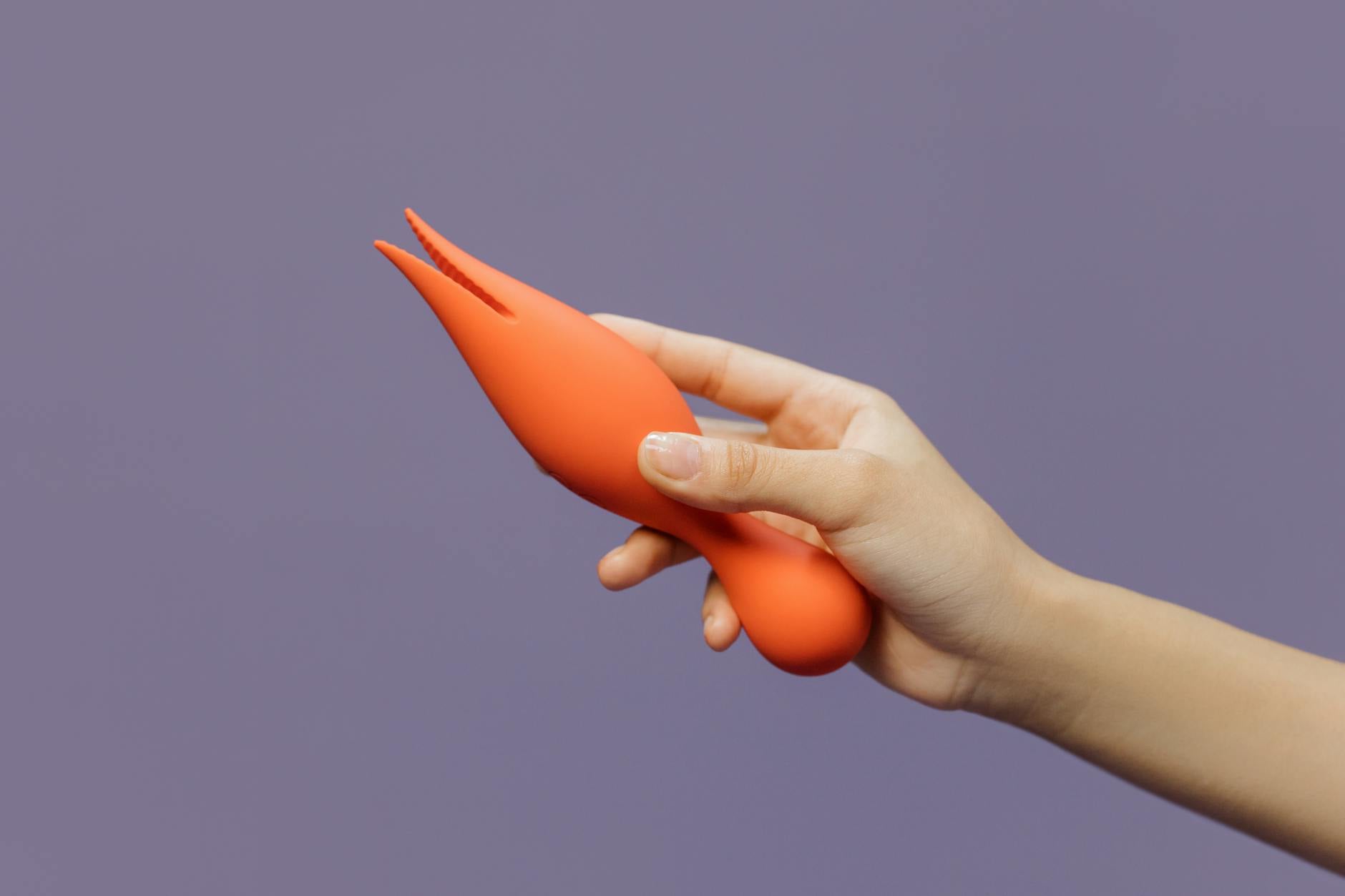
What many people don't realize: lemon vibrators, especially lemon clitoral vibrators, can be a bridge back to sensation and pleasure when traditional touch has become difficult. They work differently than a partner's hands or fingers. They're controlled entirely by you. And they can help your nervous system learn that touch doesn't have to hurt.
Why vibration works when touch doesn't
When you've experienced pain during sex, your body develops what therapists call "protective tension." Your nervous system learns to guard against touch, sometimes without you consciously deciding it. The pelvic floor tightens. Blood flow decreases. Arousal becomes harder. It's a survival reflex, and it's smart. But it also locks you out of pleasure.
Vibration bypasses some of that protective tension because it feels fundamentally different from pressure. A lemon vibrator doesn't require you to trust someone else's pressure or rhythm. The suction-based sensation of lemon clitoral vibrators, in particular, stimulates nerve endings without direct friction. You control the intensity. You control when it starts and stops. Your body begins to associate stimulation with safety instead of threat.
Research on trauma-informed sex therapy consistently shows that when sensation has become painful, reintroducing pleasure through self-directed, low-pressure stimulation works. Lemon sexual toys fit that framework perfectly.
Starting slowly, really slowly
If physical touch has been painful or anxiety-inducing, your first session with a lemon vibrator should feel almost boring. That's the goal.
Find a time when you're completely alone, completely unhurried, and have zero performance pressure. Not "I'll try to have an orgasm." Just "I'll explore what this feels like." Many people benefit from starting fully clothed or in a bathing suit, with the vibrator over fabric. This adds distance between you and the sensation, which can feel safer.
Turn on the lowest setting. Settings 1 and 2 on a lemon clitoral vibrator are genuinely subtle. Explore the sensation without expectation. You're teaching your nervous system that vibration equals safety. This might take three sessions. It might take ten. There's no timeline.
If you feel anxiety rise, stop. Don't push through. The goal isn't conquest. It's recalibration. Your body will move toward pleasure when it believes pleasure is safe.
Solo exploration before partnered use
Many people who've experienced painful touch want to jump back into partnered sex using a lemon vibrator as a tool. I generally recommend against this, at least at first.
Why? Because a partner's presence adds invisible pressure. Even if they're being patient and supportive, your nervous system knows someone is watching, waiting, expecting. That's arousal friction you don't need while you're rebuilding.
Spend time alone with your lemon vibrator first. Weeks, ideally. Learn what settings feel good. Learn how long you need to warm up. Learn whether you prefer suction-based lemon clitoral vibrators or something else. Build a solo rhythm that feels completely under your control.
Then, when you're ready, a partner can be part of it. But by then, you already have evidence that pleasure is possible. That shifts everything.
Communicating with a partner about pain
If you have a partner, honesty is non-negotiable. Not "I think sex might hurt" but "Sex has hurt, and I need us to approach this differently." That's a completely different conversation.
Here's what works:
Separate the emotional conversation from the physical one. "I love you and I want us to be intimate" is separate from "My body is having a protective reaction right now, and it needs time." Confusing those two statements makes both impossible to solve.
Then be specific about what helps. "I'd like to explore pleasure on my own using a lemon vibrator, and once I feel safe with that, we can talk about how to include you." Or "I'd like you in the room, but not touching me yet. Just nearby." The specifics matter because they show your partner this is solvable, not rejection.
Many partners feel confused or hurt when sex becomes painful. They often blame themselves or wonder if attraction is fading. Clear communication prevents that cascade. You're not avoiding them. You're protecting yourself so you can come back to them.
Physical preparation that matters
If pain has been an issue, a few practical things help:
First, talk to your doctor. Pain during sex has medical causes sometimes (endometriosis, pelvic floor dysfunction, hormonal changes, scar tissue). A good gynecologist can rule out or treat those. Even if the pain is partly anxiety-based, knowing there's no underlying injury changes your confidence.
Second, warming up matters more than usual. Before touching your lemon vibrator to sensitive areas, spend time on areas that feel neutral or good. Inner thighs, outer labia, the mons pubis. Your whole pelvic region needs time to relax and increase blood flow.
Third, lubrication is not optional. Even if you're not planning penetration, external lubrication makes the lemon clitoral vibrator experience gentler and more pleasurable. Water-based works with any toy. Silicone-based feels richer but requires careful toy maintenance.
Anxiety management during solo sessions
Your mind and body are connected. Sometimes anxiety about pain is stronger than the actual physical sensation. Your brain is running a threat-detection program based on past experience. You can't think your way out of that, but you can gradually reprogram it.
Before using your lemon vibrator, try this: slow breathing for two minutes. In for four, hold for four, out for six. This activates your parasympathetic nervous system, which is the opposite of threat mode. Your body physically relaxes.
During the session, if you notice tension, pause the vibrator and breathe again. Don't push toward orgasm. Just notice what your body can feel. Sometimes the first few times feel like almost nothing. That's fine. Sensation will return.
After the session, acknowledge that you did something brave. Your nervous system notices. Over time, that reinforces safety.
When to add a partner back in
There's no magic timeline, but here are signs you might be ready:
You've used your lemon clitoral vibrator solo at least five or six times without anxiety spiking. You've felt some level of pleasure, even if it's subtle. You're thinking about involving your partner from curiosity, not obligation. Your partner has demonstrated they understand this is a journey, not a test.
When you introduce them, the simplest approach often works best. Your partner might be present while you use your lemon vibrator solo, just as an observer. Or they might join with their own touch on neutral areas while you use the vibrator on sensitive ones. The key is that the vibrator stays under your control.
Some couples find that lemon sexual toys deepen partnered intimacy because they remove the pressure on the partner to "perform" the perfect touch. You're managing your own sensation. Your partner can focus on presence, connection, and their own pleasure. That's a healthier dynamic anyway.
Reframing what intimacy means
Here's what I see with clients who've experienced painful touch: they often think intimacy has to look one specific way, and if it doesn't, they've failed. That's false.
Intimacy means connection, vulnerability, and mutual attention. It doesn't require a specific position, duration, or type of touch. Using a lemon vibrator during sex isn't a workaround. It's a legitimate expression of pleasure and trust. If it works for you, it's right.
Many people discover that once they've rebuilt a safe relationship with their own body, using lemon vibrators alongside partnered touch becomes a normal part of their sex life. Not as a replacement, but as another language for pleasure. That's not recovery. That's evolution.
Common questions about pain and pleasure
How long does it take before penetration feels okay again?
It depends entirely on the source of the pain and your individual nervous system. If pain was anxiety-based, some people feel shifts in weeks. If there's a physical component like pelvic floor tension, it might take months of intentional relaxation work alongside pleasure exploration. A pelvic floor physical therapist can accelerate this. There's no timeline to judge yourself against.
Can I use a lemon vibrator if touch has triggered trauma?
Yes, but slowly and with professional support if possible. Trauma makes the nervous system extra vigilant. A trauma-informed therapist can help you move through sessions with confidence. Your solo exploration might be shorter sessions, more breathing work, and lots of pausing. That's completely fine. The goal isn't speed. It's safety.
Will my partner feel threatened if I use a lemon vibrator solo?
Some might initially. But when you explain that you're rebuilding sensation and trust in your own body, most partners understand this is actually about strengthening the relationship. You're not avoiding them. You're preparing to be present with them. Frame it as collaboration, not avoidance.
What if I still feel pain even with a lemon vibrator?
That's valuable information, not failure. It means you might need professional support to identify the source. A gynecologist, pelvic floor physical therapist, or trauma-informed therapist can help. Lemon clitoral vibrators work for many people, but they're not a cure-all. They're a tool within a larger healing process.
Can lemon vibrators help with anxiety-based pain specifically?
Absolutely. Because you're in control, you build evidence that touch can be safe. That directly counters the anxiety pattern your nervous system has learned. Over time, that evidence accumulates. Your body begins to believe pleasure is possible again.
Is it normal to feel nothing at first?
Completely normal. If your nervous system has been in protection mode, sensation can feel muted. A lemon vibrator is gentle enough that you might not feel much on lower settings. That's okay. Increase sensitivity gradually. Your nerve endings will wake up as your body feels safer.
Moving forward
Reclaiming pleasure after physical pain or touch anxiety is possible. It doesn't happen overnight, and it doesn't look like your pleasure used to look. But it happens.
Start with yourself. Start slowly. Start with the understanding that every small step forward is real progress. Your body knows how to feel good. Right now, it just needs to believe it's safe. A lemon vibrator, used at your own pace, can help teach it that.
If you're stuck or struggling, reach out. A therapist, a doctor, a trusted friend. You don't have to figure this out alone. And you absolutely deserve to feel pleasure again.