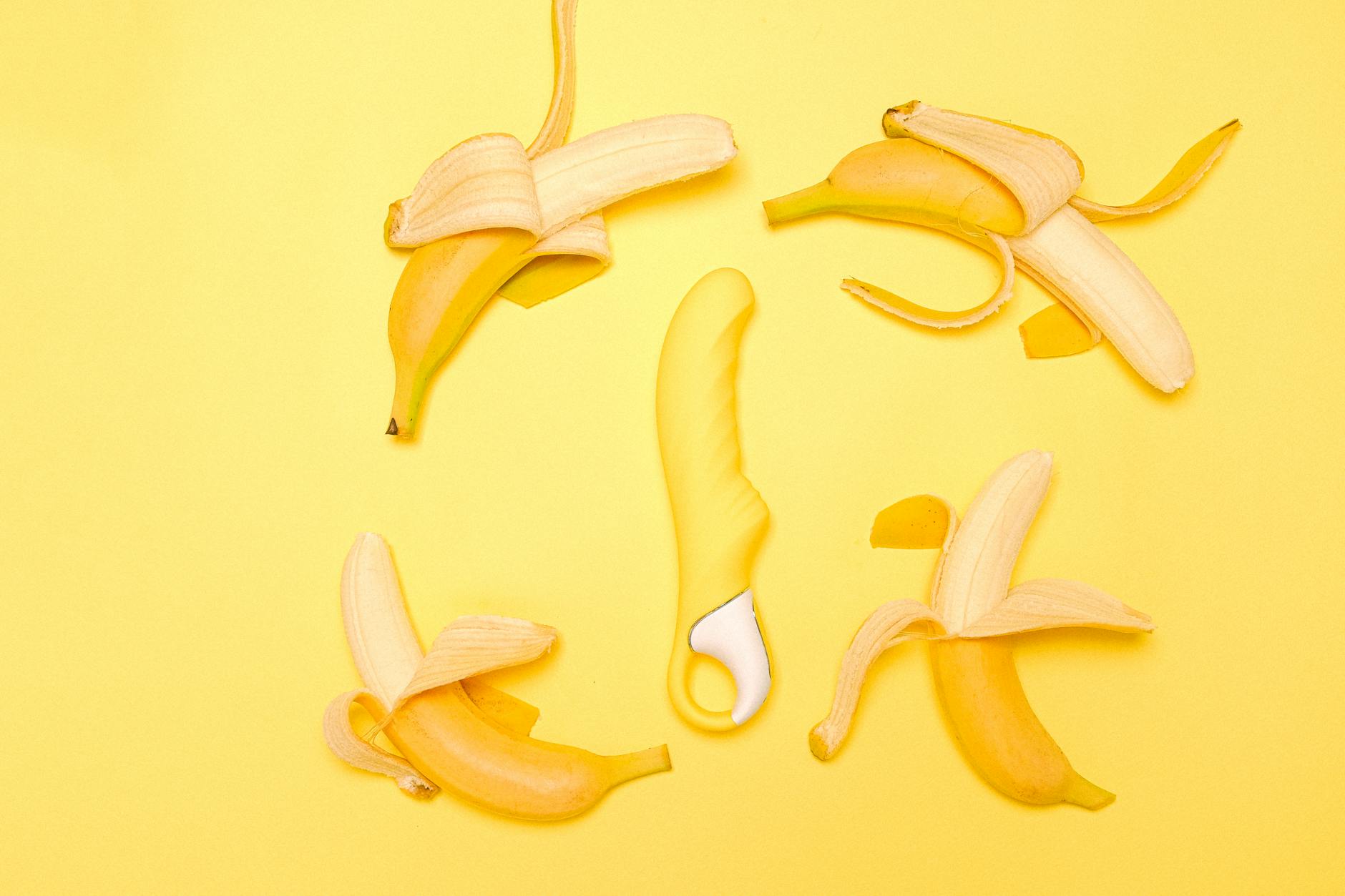
Pain during sex is telling you something, and it's worth listening to
Let's start here: pain during or after sex isn't normal, and it's definitely not something you have to push through. That old narrative about "it gets better if you just relax" or "you're too tense" has done so much damage. The truth is messier and, honestly, more fixable.
Pain during sex, clinically called dyspareunia, can come from physical causes (tissue thinning, insufficient lubrication, pelvic floor tension, scar tissue), psychological ones (anxiety, past trauma, relationship stress), or usually both tangled together. The good news is that lemon clitoral vibrators like the Lem can be part of your solution, but only if you understand what's actually happening.
Why pain shows up and what it isn't
Your nervous system is trying to protect you. Pain isn't a character flaw. It's not a sign that you're broken or that something is fundamentally wrong with your desire. Sometimes the mechanism is simple: tissue is thinner, lubrication is lower, or the pelvic floor is holding tension so tight that any pressure feels sharp. Sometimes it's psychological: your body learned to brace because of past hurt, and now it does that automatically, even when you want to relax.
What pain isn't is permanent. I've worked with hundreds of people who experienced pain during sex, and the majority of them resolved it or reduced it significantly once they understood the cause and had the right tools.
How lemon vibrators help when pain is in the picture
Clitoral vibrators work differently than penetration. There's no thrusting, no pressure on sensitive internal tissue, and no demand for the pelvic floor to relax on someone else's timeline. That matters. When you're using a lemon adult toy solo, you control the intensity, the pattern, and the pace. Your nervous system gets the signal that you're safe.
Here's what happens: gentle clitoral stimulation from a lemon vibrator (especially one with the suction patterns of a Lem) can help you reestablish arousal pathways without triggering the pain response. It's a way of saying to your body, "This feels good, and nothing bad is happening." Repeat that enough times, and the nervous system starts to believe it.
The suction mechanism on lemon clitoral vibrators is particularly helpful because it doesn't require direct friction on sensitive tissue. Instead, it creates a gentle vacuum sensation that stimulates the clitoral nerve endings from slightly deeper within the tissue itself. If you've been experiencing pain with vibration alone, a lemon sucker might feel completely different.
The step-by-step approach: rebuilding pleasure when pain is present
Start with solo exploration only. Don't involve a partner yet, even if you have one. Right now, the goal isn't to have sex. It's to prove to your nervous system that pleasure is possible without pain. Use your lemon vibrator at the lowest setting, in a private space where you won't be interrupted or worried. The first few times, you might not even be trying to reach orgasm. You're just getting reacquainted.
Use lubricant, always. Not because you're failing to get wet (arousal-based lubrication and vaginal lubrication are different things), but because lube removes friction and changes the whole sensation. Water-based is your friend here if you're using a silicone lemon vibrator. Start with a generous amount.
Build tolerance slowly. Spend 5 to 10 minutes at the gentlest setting before turning it up. Notice what feels okay and what doesn't. Your body will tell you if something is too much. The nervous system needs time to learn that sensation means pleasure, not threat.
Track what works. Does suction feel better than vibration? Does a lower frequency help? Do you need more warm-up time, or does the pain only show up after a certain pattern? These details matter because they tell you what's happening and what to adjust.
When to bring a partner back in (and how)
Once you've spent a few weeks rebuilding solo pleasure with your lemon sexual toy, you can involve a partner, but the conversation comes first. Tell them what you've learned about your body. Tell them what patterns feel good, what you need, and what's off limits for now. This isn't a rejection of them. It's you giving them the map to help you both.
Start with non-penetrative intimacy. Kissing, touching, using your lemon vibrator together while they're present but not penetrating. Let your nervous system learn that their presence doesn't automatically mean pain is coming. Then, only when both of you are ready, explore penetration again. But this time, you know what your body needs.
If your partner is reactive or defensive about slowing things down, that's separate data. Relationship conflict can absolutely cause or deepen pain during sex. If that's the situation, consider talking to a couples therapist. Sometimes the tool isn't the lemon vibrator. Sometimes it's professional support.
The medical piece you actually need to know
If pain is sharp, shooting, or localized, see a pelvic floor physical therapist or a gynecologist who specializes in sexual pain. Some pain has straightforward physical fixes: atrophic vaginitis (tissue thinning) responds well to localized estrogen cream. Vaginismus (involuntary pelvic floor tension) responds to gradual desensitization, sometimes with tools like dilators. Vulvodynia (chronic vulval pain) needs specialized care.
Don't wait months to rule these out. Get checked. That's not failure. That's getting information.
Why nervous system safety matters more than the toy itself
I mention all this because the lemon clitoral vibrator is the tool, but your trust in your own body is the engine. The toy doesn't heal pain. What heals pain is your nervous system learning, through repeated safe, pleasurable experiences, that your body isn't dangerous. The Lem or whatever adult toy you choose is just the permission slip that makes those experiences possible.
Many people find that once they've spent time rebuilding pleasure solo, the pain during partnered sex doesn't come back. Not because the vibrator fixed them, but because they fixed themselves. The toy just gave them a way to do it.
What happens next
You deserve to have sex that feels good. Not eventually, not after you've suffered through enough to earn it. Now. If pain is in the way, that's a problem worth solving, and there are concrete steps to take. A lemon vibrator can be part of that. So can a doctor. So can time, patience, and honest conversations with yourself and your partner about what you actually need.
Start with one thing. Maybe it's buying a lemon clitoral vibrator and spending an afternoon with no agenda except reconnecting. Maybe it's scheduling a pelvic floor physical therapy appointment. Maybe it's telling your partner what you've been hiding. One step opens the next one.
Frequently Asked Questions
Can I use a lemon vibrator if I have vulvodynia or pelvic pain syndrome?
Yes, but carefully. Start at the absolute lowest setting and stop if anything feels sharp or burning. Vulvodynia responds well to slow desensitization, which a vibrator can support, but you should also work with a pelvic pain specialist. They can rule out other causes and give you a roadmap. A lemon clitoral vibrator is a tool within that plan, not a replacement for professional care.
Should I use my lemon vibrator during sex with my partner if penetration is painful?
Absolutely. Many couples use clitoral vibrators during partnered sex specifically because it feels good without triggering pain responses. You get arousal and pleasure while your partner is present, and there's no demand on the area that hurts. It's not a workaround. It's a legitimate way to have sex that works for both of you.
What if my partner feels threatened by me using a vibrator while dealing with pain during sex?
That's worth talking about, because their comfort matters less than your pain. You're not replacing them. You're managing a medical issue. If they can't support that, the issue isn't the toy. It's the relationship dynamic. Consider a couples session to work through it together.
How long before pain improves if I'm using lemon sexual toys and working with a therapist?
Every person is different, but most people notice a shift within 4 to 8 weeks of consistent solo exploration with a lemon vibrator combined with professional support. Some notice it faster. Some take longer. The timeline depends on what's causing the pain, how long it's been happening, and how much psychological weight is attached to it.
Is the pain my fault? Did I do something wrong?
No. Full stop. Pain during sex is almost never about something you did wrong or a character flaw. It's a signal from your nervous system, and it's worth listening to. Take it seriously, get support, and be patient with yourself.
What if using a lemon vibrator makes the pain worse?
Stop and reassess. You might need to start even gentler, or your pain might need a different kind of support (like pelvic floor physical therapy) before a vibrator helps. There's no shame in that. The goal is pleasure, and if a particular tool isn't getting you there, try a different one.
You're not alone, and this is fixable
Pain during sex is surprisingly common, and it's one of the easiest things to help once you know what's actually happening. Whether your next step is buying a lemon vibrator, scheduling a doctor's appointment, or having a hard conversation with your partner, you're moving in the right direction. That matters.