Let's talk about what your body just went through
A health crisis changes your relationship with pleasure. Maybe it was surgery. Maybe it was illness, hospitalization, medication, grief, or months of treatment that left you exhausted. Your body carried you through something hard, and now you're here, wanting to feel like yourself again. That longing is real, and it matters.
But here's what I see in my practice constantly: the desire to jump back into pleasure exactly as it was before. The expectation that you'll wake up one morning and everything will snap back into place. That's not how recovery works.
Why coming back to pleasure takes intention
When you've been through a health crisis, your nervous system is still recalibrating. Even if you're medically cleared, your brain might not believe you're safe yet. There's disconnection between the story you were told ("You'll feel better soon") and the story your body is living ("Wait, are we really okay?").
Pleasure requires parasympathetic activation. That's the rest-and-digest part of your nervous system. If you're still in fight-or-flight mode from stress, pain, or medical trauma, jumping directly into sex or intense stimulation can feel jarring. Your body might freeze, or sensation might feel muted. That's not broken. That's a signal.
I work with people rebuilding intimacy after health crises all the time. The ones who do best are the ones who approach this like training. Not punishment, not proving something. Training.
Start with touch that isn't sexual
This sounds obvious, but most people skip it. Before you reach for any toy or partner, spend two weeks reconnecting with sensation on your own terms. Not goal-directed. Just touch.
Lie in the bath and notice the warmth. Rub your arm and feel the friction. Use lotion and pay attention to how your skin responds. Wear soft fabrics. This sounds boring, but you're literally re-teaching your nervous system that touch is safe again.
The reason this matters for lemon vibrators later is simple: if you can't feel pleasure in your forearm, you won't suddenly feel it in your clitoris. You need to build sensation literacy first.
Why lemon clitoral vibrators work well for this phase
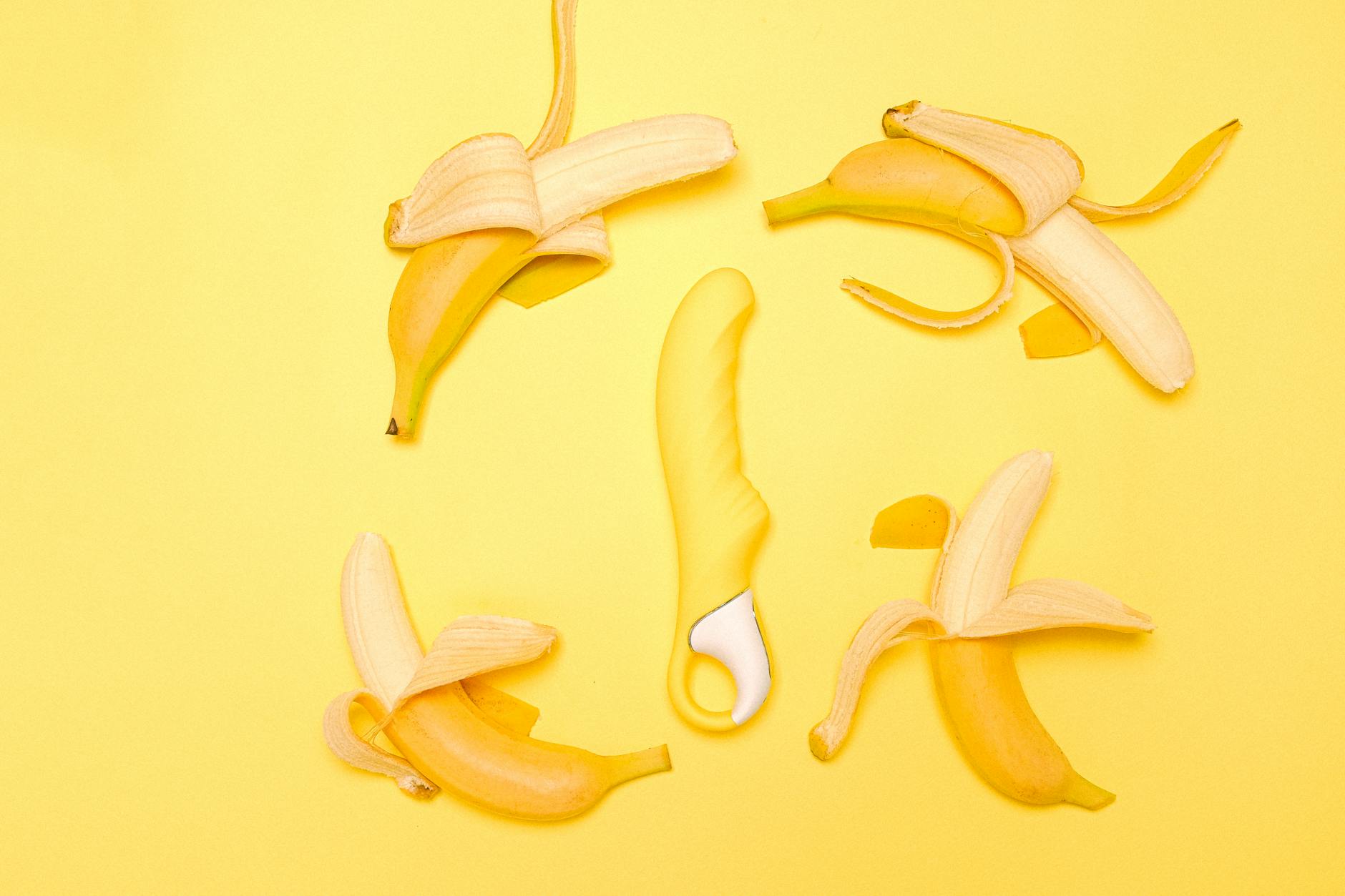
Lemon vibrators, like the Lem, are precision tools. They're not aggressive. They don't require you to move your body in ways that might trigger pain memory or feel destabilizing. You hold it, you control the pattern and intensity, and it does the work.
For someone coming back to pleasure after a health crisis, that control is everything. You're not relying on a partner's timing or rhythm. You're not pushing through discomfort to match someone else's experience. You set the tempo.
Also, lemon sexual toys use suction technology, which stimulates differently than traditional vibration. There's gentleness baked in. You can start at pattern 1, which feels almost meditative, and stay there for as long as you need. No pressure to escalate.
How to introduce a lemon vibrator safely
Three rules.
First: timing. Don't introduce it during a moment of high arousal or performance pressure. Instead, use it during quiet time alone, when there's zero expectation of orgasm. You're exploring, not achieving.
Second: setup. Make sure you're comfortable first. Pillows under your lower back. Bedroom door locked. Phone on silent. Fifteen minutes minimum. You're not rushing this.
Third: lubrication. If your health crisis involved medications, surgery, or hormonal shifts, your natural lubrication might be lighter. Use a water-based lube anyway. It's not a sign of brokenness. It's respect for your healing body.
The patterns that feel safest
When you first use lemon adult toys after recovery, start with the gentlest setting. Hold the vibrator against your outer labia first, not directly on the clitoris. Your clitoris is sensitive on a good day. After a health crisis, it might feel overstimulated quickly.
Spend five to ten minutes at the gentlest intensity before considering anything stronger. You're checking in: does this feel okay? Does it feel pleasurable? There's a difference between those two things, and both are valid answers.
If sensation feels numb or distant, that's not failure. That's information. It might mean your nervous system still needs more time in the safety-building phase. Come back to touch without the vibrator. Wait another week. There's no deadline.
What about with a partner
If you have a partner who's waiting alongside you, this is where communication becomes essential. I know you've probably already had hard conversations about timelines, medical decisions, and fears. This one is simpler, but it matters just as much.
Tell them: "I'm starting to explore pleasure again. I need you to know that this might look different than before. It might take longer. I might need to stop. None of that means I don't want you."
Then, the first time you use a lemon vibrator together, keep it low-stakes. You might use it while they're in the room but not involved. You might ask them to hold it. You might ask them to just sit with you. The specific act matters less than the permission you're both giving each other to move slowly.
Most people are so relieved when they hear: "We don't have to rush this." After a health crisis, reassurance lands differently.
Grief is part of coming back
Here's what no one warns you about: you might feel sad while you're rediscovering pleasure. Your body is not the same. Your energy is not the same. Maybe your orgasms feel different. Maybe sensation comes back unevenly, and you feel lopsided for a while.
That's grief, and it's legitimate. You can feel it and keep going anyway. Those two things live in the same space.
I had a client who came back to pleasure after cancer treatment. She used a lemon clitoral vibrator, and the first orgasm felt so far away it nearly made her cry. She was afraid she'd lost it forever. By week four, she was reaching orgasm again, but it felt quieter than before. She had to grieve the intensity while celebrating the fact that it came back at all.
Your pleasure might return in a different form. That doesn't make it less real.
When to reach out for support
If you're three weeks into gentle exploration and sensation still feels completely absent, or if touch triggers pain or panic, talk to your doctor or a trauma-informed therapist. Sometimes physical therapy helps. Sometimes you need to process medical trauma before pleasure can return. That's not a failure. That's being honest about what you need.
Some people come back to pleasure after a health crisis faster than they expected. Others need months. There's no right speed. The people who report the most satisfaction afterward are the ones who stopped benchmarking themselves against their old timeline and just followed their body's actual readiness.
If you're rebuilding pleasure after sexual shame or trauma, this approach also applies. Gentleness, control, and time are your tools.
The body you're coming back to is not the body you left
That's not tragic. It's honest. Your body survived something. Lemon vibrators work well for coming back because they meet you where you are, not where you think you should be. There's no performance. No comparison. Just sensation, time, and permission to move at your own pace.
Start small. Stay patient. Your pleasure is still there. It just needs to feel safe again.
People also ask
Can I use a lemon vibrator if I'm still in pain after surgery or illness?
Check with your doctor first, but generally: if touching the area causes pain, wait. If you have discomfort but the area is healed, you can explore gently with lubrication. Pain is a signal. It's not something to push through. Many people find that starting with lemon clitoral vibrators at the gentlest setting actually feels soothing rather than stimulating, especially in early recovery. If pain persists after clearance, talk to a pelvic floor physical therapist.
How long after a health crisis should I wait before trying a vibrator?
That depends on the crisis. After surgery, usually you can wait until you're medically cleared for sexual activity. After serious illness, it's more about nervous system readiness. You might be medically cleared but emotionally not ready. I usually suggest waiting at least 2-3 weeks after feeling physically stable, then starting with the touch-without-stimulation phase before introducing any lemon sexual toys. Listen to your body. If it feels too soon, it probably is.
Will a lemon vibrator feel different after my health crisis?
Yes. Your sensitivity might be lower or higher. Your threshold for stimulation might have changed. That doesn't mean the vibrator is wrong. It means you've changed, and you get to discover pleasure all over again. That's actually an opportunity. Some people say coming back to pleasure after a health crisis feels more present and intentional than before.
What if I'm worried my partner will judge me for needing a vibrator during recovery?
That's about communicating what you need. Try: "I'm still getting my body back. Using this tool helps me feel pleasure again, and I want you to be part of that if you're interested." The right partner will understand that a lemon clitoral vibrator is not a replacement. It's a bridge. It's a way of saying "I'm ready to find my way back to pleasure, and I need support." If your partner responds negatively, that's information about the relationship, not about the vibrator.
Can medication from my health crisis affect how a lemon vibrator feels?
Yes. Some medications change sensation, lubrication, or how quickly you can reach arousal. That's temporary for most people, or it stabilizes as your body adjusts. If medication is making pleasure difficult, ask your doctor if there are alternatives. If not, be patient with the adjustment period. Many people come back to full sensation once their body has time to settle. A lemon vibrator's gentleness helps during that transition because you're not fighting against settings that are too intense.
Should I use lemon vibrators alone first, or can I use them with my partner right away?
Alone first. You need to know what feels good before involving someone else. That takes the pressure off both of you. Once you've spent time exploring on your own, introducing a lemon vibrator with a partner becomes a shared experience rather than a performance. Plus, when you know your body's signals, you can communicate them more clearly to your partner.