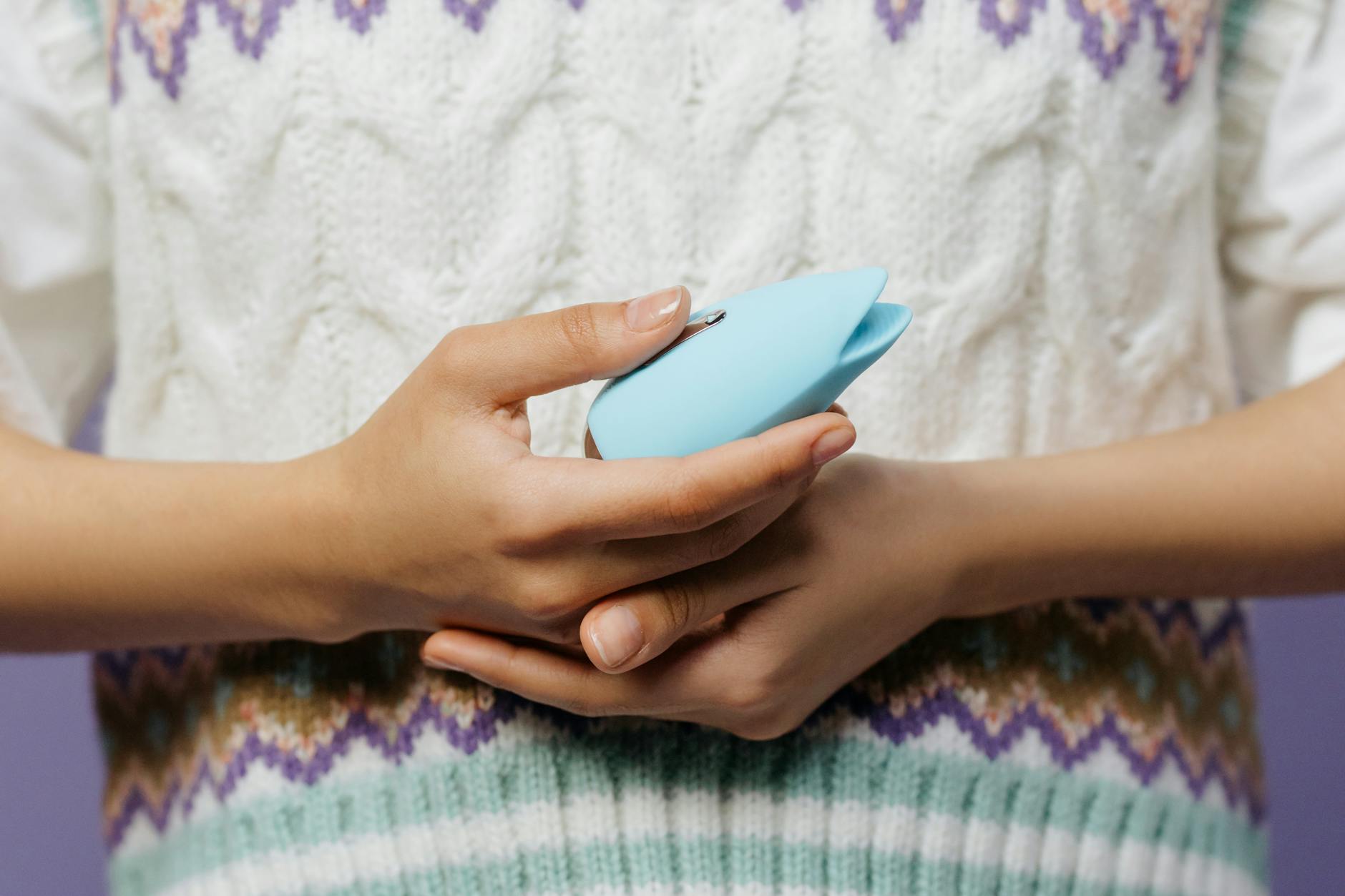
Let's get real about ethical non-monogamy and solo pleasure
If you're in an open relationship, a triad, or practicing any form of ethical non-monogamy, the conversation about personal pleasure toys gets complicated fast. It's not just about whether you use them. It's about when, with whom, how that fits into each relationship, and whether everyone's actually comfortable or just politely pretending.
Lemon vibrators change that dynamic because they're unapologetically solo-focused. A lemon clitoral vibrator isn't a couples' device. It's yours. And that clarity actually makes conversations easier, not harder.
Why multiple partners means multiple pleasure frameworks
Here's what I see over and over in my practice: monogamous couples often have one unspoken agreement about toys. Open or polyamorous folks? You might have three completely different conversations happening.
One partner thinks vibrators are entirely personal and none of their business. Another wants to know every detail. A third is worried it means you're not satisfied with them. All three perspectives could exist simultaneously in your life, and none of them are automatically wrong.
The mistake is treating it like one problem. It's not. It's three separate conversations that happen to involve the same person.
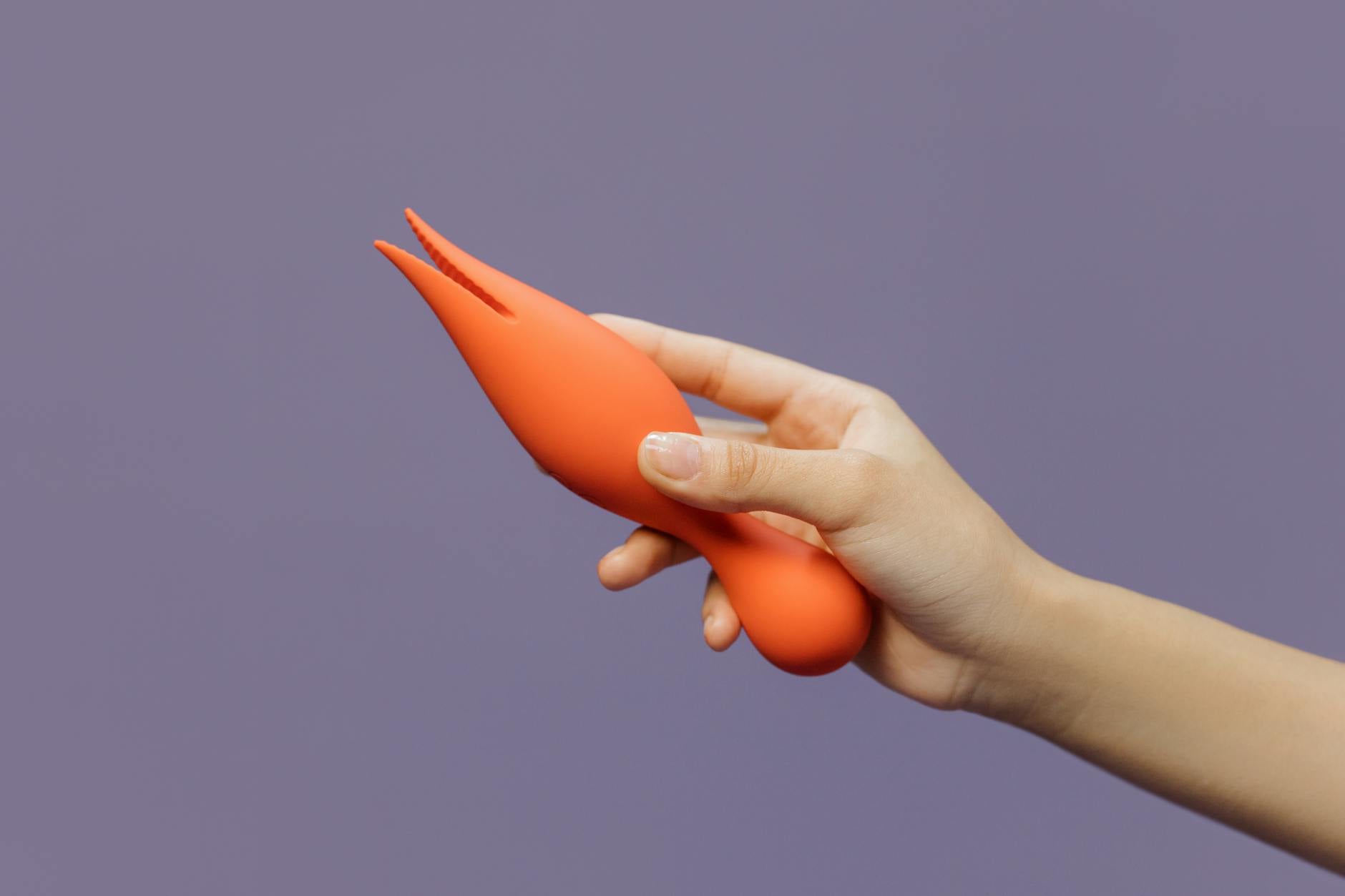
Photo by cottonbro studio on Pexels
The agreement conversation, partner by partner
Each of your partners gets a separate conversation. Not because you're being secretive, but because their role in your life is different. What you discuss with a long-term partner isn't the same as what you discuss with someone you see every other week.
With a primary or long-term partner, the conversation might look like: "I want to explore clitoral vibrators for my own pleasure. This isn't about you or what we do together. Here's how I'd like to use it and where. Do you have any genuine concerns?"
Notice what that does. It establishes that the lemon vibrator is yours, frames it as additive (not replacing anything), and invites actual feedback instead of assumptions.
With a secondary partner or someone newer, you might say: "I use a clitoral vibrator for solo play. I'm mentioning it because I value transparency. Any questions?" That's it. You're not asking permission. You're offering information.
With partners you see occasionally, you might not mention it at all unless it comes up. Knowing the boundaries of each relationship means knowing what information each person needs to feel safe.
When using lemon vibrators together in ethical non-monogamy
Here's where it gets interesting: you might want to use a lemon vibrator with one partner but not another. Some people are curious. Some are neutral. Some actively prefer not to. All of that is fine.
If a partner expresses curiosity about your lemon clitoral vibrator, you have options. You could use it during partnered sex. You could show them how it works. You could let them use it on you. You could let them watch and do nothing else. Each of those is a different agreement.
The key is specificity. "Do you want to use it together?" is too vague. Try: "Would you want me to use it during sex with you?" or "I'm curious if you'd like to try it on me," or "I'm interested in you watching while I use it."
Vague interest leads to awkward moments. Specific questions lead to clear yeses and nos.
Hygiene and boundaries with multiple partners
This is the practical thing people don't talk about enough. If you have multiple partners and you're considering using the same toy across relationships, you need a protocol.
If it's penetrative play, the answer is simple: don't share without a condom or thorough washing between partners. If it's clitoral only, you can use it solo with one partner, then solo with another, as long as there's no cross-contamination. But honestly? Most people find it easier to have their own or designate one toy as their solo device.
Water-based lube (which you should be using anyway) washes off completely. Silicone lube requires soap and warm water. Toy cleaner works best. But if you're juggling partners and worry about mixing things up, the simplest boundary is: this toy is mine and it stays mine.
That's not possessive. That's practical.
Communication patterns that actually work across multiple relationships
The couples I work with who navigate this successfully tend to do three things differently.
First, they separate pleasure discussions from relationship-satisfaction discussions. "I want to use vibrators" is not the same as "I'm not satisfied with you." Say that out loud. Then say it again to each partner if needed.
Second, they check in after, not just before. Your partner said yes, you used the lemon vibrator during sex, and then maybe something shifted. Check in a day or two later. "That was good. Want to do that again or try something different?" That feedback loop matters.
Third, they remember that people change their minds. A partner who was cool with it three months ago might feel differently now. That doesn't mean they're being controlling or you're doing something wrong. Pleasure preferences evolve, especially when you're managing multiple relationships.
What lemon clitoral vibrators specifically offer in non-monogamous contexts
Lemon vibrators are small, discreet, and powerful. That matters in multiple-partner dynamics because it means you can own your pleasure without it being a whole thing. The Lem vibrator fits in a drawer, a bag, anywhere. It's not announcing itself.
That discretion actually supports clarity. You're not hiding it. You're just not making it the focus. Your partners know you have it. It's not secret. But it's also not the centerpiece of every conversation.
The suction-based design means you can control intensity without buildup. You're not fumbling with patterns or being surprised by power levels. That matters when you're managing different comfort zones.
When jealousy or insecurity shows up
It will. Maybe not immediately, but in non-monogamous relationships, insecurity has a way of attaching to new things. One of your partners might feel weird about the vibrator even though they were fine with the concept of open relationships.
That's not a sign you should hide it. It's a sign to listen. "Tell me what's actually bothering you," is often followed by something like, "I guess I feel like you need more than I can give," or "I'm worried you'll want them more than you want me."
Neither of those is solved by not using the lemon vibrator. Both are solved by having a conversation about what pleasure means in your relationship and what you actually need from each person you're with.
The permission you actually need
Here's the thing: in ethical non-monogamy, you need consent, not permission. There's a difference. Permission implies someone has authority over your body. Consent means they have information and they agree it's okay.
You don't need your partners to give you permission to use a lemon clitoral vibrator. You need them to know you're using one and to understand what that means. After that, their yes or no is about their own boundaries, not yours.
That distinction changes everything. You're not asking "Can I?" You're saying "Here's what I'm doing. Here's how it affects you, if at all. How do you feel about that?"
That's the conversation that works across multiple relationships. Not secrecy, not seeking approval, but clarity about what you need and inviting your partners into that honesty.
People also ask
Is it okay to use lemon vibrators if my partner is monogamous but I'm exploring ethical non-monogamy?
This is about whether you've actually both agreed to non-monogamy. If you haven't, a vibrator is not the problem. The relationship shape is. If you have agreed but your partner is still uncomfortable, that's a specific concern to address, not something the vibrator should carry. Focus on whether you're actually aligned on the relationship structure first.
Should I tell all my partners about each other if I'm using a vibrator?
That depends on your relationship agreements. Some ethical non-monogamy is hierarchical with a primary partner. Some is flat. Some involves partners who don't know about each other (which is not ethical non-monogamy, but solo non-monogamy). Know your own structure, then communicate accordingly. A vibrator doesn't change those rules.
What if one partner loves that I use lemon vibrators and another hates it?
You set different boundaries with each. It's possible to use a lemon clitoral vibrator with one partner during sex, not mention it to another, and keep it entirely personal with a third. Different relationships can have different rules. You're not being inconsistent. You're being responsive to each person's actual needs.
Can we share a lemon vibrator across multiple partners?
Yes, with hygiene protocols. Clean it between partners, use condoms if there's any penetration, and communicate clearly about whose toy it is and who has access. Simpler option: everyone has their own. That removes ambiguity and keeps things feeling personal rather than communal.
How do I bring up lemon vibrators if my partners don't know I use one?
Start with one partner at a time. Use the specific conversation format: "I use a clitoral vibrator for my own pleasure. I'm telling you because I value transparency. Here's why I'm sharing this. Do you have questions?" Adjust the framing based on your relationship with them. Most people respond better to information than discovery.
What if using a vibrator makes me want to explore outside my agreements?
That's information, not a problem. A lemon vibrator revealing something about what you actually want is useful. You might realize you want more autonomy, different kinds of touch, or a different relationship structure. Those are conversations to have with your partners, not things to suppress by avoiding vibrators.
The real thing underneath all of this
Ethical non-monogamy only works if everyone's actually being honest. That includes being honest about pleasure. If you're pretending to be fine with something you're not fine with, or hiding what you actually want, the vibrator isn't the issue. The dishonesty is.
Lemon vibrators don't fix relationship problems. They also don't create them. What they do is give you a very clear, very personal tool for your own pleasure. In a multi-partner context, that clarity is valuable. It's yours. It's not a couples' thing. It's not something anyone has ownership of except you.
That's actually easier to talk about than you'd think. Try it.