Taking a break from pleasure is completely normal
Honestly, everyone does it. Life happens. Illness, stress, grief, caregiving, burnout, a relationship that lost steam, or just a season where your body and mind needed to focus elsewhere. The gap can be weeks, months, or longer. And then one day you think, "I want to feel that again," and suddenly reconnecting feels less like desire and more like a puzzle.
The good news: your body hasn't forgotten how to feel good. But it may feel unfamiliar, and jumping back in at full intensity usually backfires.
That's where lemon vibrators come in. Their gentle suction design makes them ideal for easing back into sensation after a break, because they stimulate without requiring your body to be perfectly warm and ready. They work with you, not against you.
What happens to your body after a long break
When you take time away from sexual activity, a few things shift physiologically. Blood flow to the genitals decreases. Your nervous system, which has been in survival mode (whether that's stress, illness, or just life), is still a bit guarded. Tissue sensitivity can feel muted or even uncomfortable if you push too fast.
Your brain also recalibrates. If the break was tied to stress or pain, your body may have protective patterns wired in. Fear anticipation takes over. Your pelvic floor tightens. Even when you want to feel something, the signals don't match up right away.
None of this means something is wrong. It just means you need a gentle reset, not a jump back to where you left off.
Why lemon vibrators are ideal for reconnecting
Lemon clitoral vibrators use pulse and suction rather than traditional vibration. That matters when you're rebuilding sensation, because suction works differently than buzz. It creates a gentle rhythmic pull that gradually coaxes blood flow back to the area, warming tissue as it goes. You don't need to already be highly aroused for it to feel good.
The other reason: you can start incredibly low. Most lemon vibrators have graduated intensity levels. You can spend your first few sessions on pattern 1 or 2, letting your body remember what sensation feels like without any shock to the system. That's not settling. That's intelligent.
Lemon sexual toys also tend to be quieter and more compact than traditional vibrators, which means less sensory overload if you're nervous about the experience itself. Your nervous system can stay calm while your body rediscovers sensation.
The three-step reconnection framework
Week 1: Exploration without expectation. Spend time just holding the lemon vibrator. Use it on your arms, your neck, your breasts. Let your skin remember what gentle stimulation feels like, without any goal. Set a timer for 10 minutes. Low patterns only. No pressure for arousal, no finish line.
Week 2: Gentle, solo mapping. Now use the lemon clitoral vibrator on the external area, but slowly. Start at the base of the clitoris, not the tip. The whole vulva has sensation. You're teaching your nervous system that this is safe. Again, 10-15 minutes. Still no pressure for orgasm. The win is just feeling something.
Week 3 onward: Building rhythm and timing. Once your body stops bracing, you can gradually increase intensity and find patterns that feel good. This is when speed, pacing, and partner involvement become relevant. But you're still letting your body lead, not rushing.
Managing what comes up emotionally
Sometimes during reconnection, old feelings surface. Guilt about the break. Grief about what happened during those months. Frustration that pleasure doesn't feel automatic anymore. That's not a malfunction. That's processing, and it's important.
If feelings get big, pause. You're not broken for needing emotional space alongside physical reconnection. Tell yourself: this is information, not failure.
If you're reconnecting with a partner, tell them what's happening. "I'm easing back in with tools like lemon vibrators because my body needs a gentle entry point." A good partner will understand that this isn't a referendum on desire for them. It's nervous system hygiene.
When to use lube, and how much
After a long break, tissues can feel drier. Water-based lubricant is your friend, but you don't need much. A quarter-sized amount on the tip of the vibrator is enough. Apply more as needed, but start conservative. Adding lube isn't cheating or a sign something's wrong. It's smart biology.
The lube also helps the lemon vibrator glide smoothly without any friction that might feel irritating to tissue that's been dormant. That smooth sensation often feels way better than going in dry.
Pacing and the nervous system reset
Your nervous system is a major player in pleasure. When you've been in stress mode, your body's threat-detection system is on high alert. Rushing pleasure doesn't quiet that down. In fact, it can fire it up more.
The key is creating physical and emotional safety through pacing. That means building in pauses. Using lemon vibrators for 10 minutes, then stopping. Maybe journaling. Maybe just breathing. Then returning to it an hour later or the next day.
This might feel painfully slow. It's not. You're literally rewiring the connection between sensation and safety. That takes time, and it's worth it.

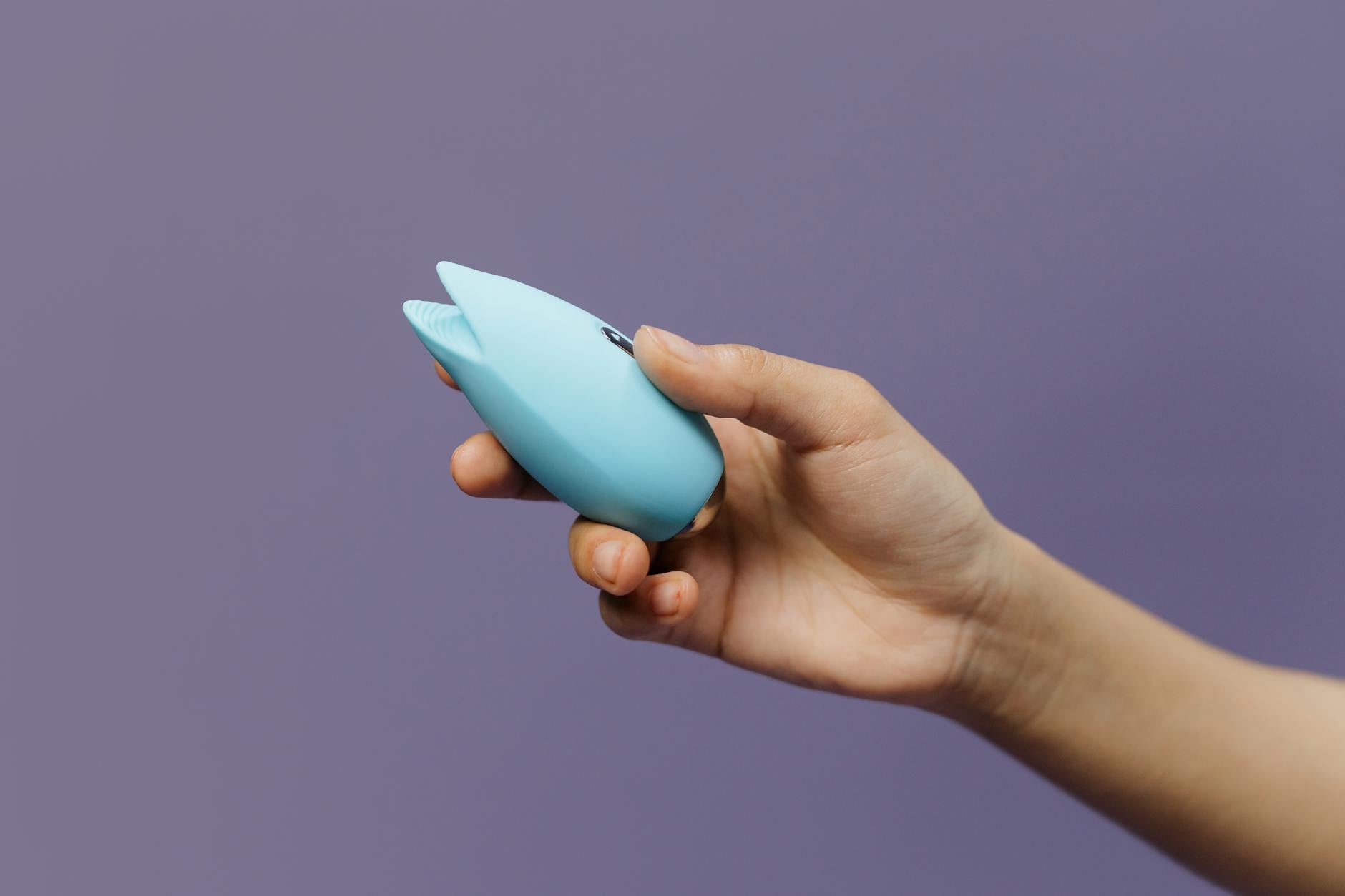
Photo by cottonbro studio on Pexels
Common obstacles and how to move through them
You might feel nothing at first. That's normal. Sensation can take a few sessions to wake up. You might also feel numb or like you're going through the motions. That's your nervous system still in protective mode. Keep going gently. The sensation returns, but not on a deadline.
Some people feel too sensitive. The touch feels almost painful or overstimulating. If that's happening, dial down the intensity further. You can also try different patterns. The rhythm might matter more than the power.
If you're triggered by memories from why the break happened in the first place, slow way down. Consider working with a therapist who specializes in sexual wellness alongside the physical reconnection. There's no shame in needing support. You're literally resetting your relationship with pleasure.
Reconnecting with a partner during this time
If you have a partner, communication matters more than the toy. Tell them: "I'm rebuilding sensation. This might not look like it used to. I need patience, and I need you to not take it personally if I need to stop or if it feels awkward."
A partner using lemon vibrators with you can be incredibly grounding. Their presence, their voice, their hand on your arm. That's connection, not just stimulation. But only if it feels right. If solo reconnection feels safer first, do that. You're not being distant. You're being smart.
When sensation is still absent after weeks
If you've been gently reconnecting for 3-4 weeks and sensation still feels completely flatlined, check in with yourself. Are you still in a high-stress season? Unresolved about why the break happened? On medication that affects sensation? All of those are real factors that may need attention beyond just the vibrator.
Talk to your doctor or a therapist. Sometimes reconnection isn't just about patience with sensation. It's about addressing what made the break feel necessary in the first place. And that's okay.
The long view
Reconnecting with pleasure after a break isn't about getting back to baseline. It's often about building something richer than before. Because you're being intentional. You're checking in with your nervous system. You're using tools like lemon vibrators that work with your body, not against it. You're rebuilding the relationship with sensation from the ground up.
That slowness? That's not a setback. That's the entire point.
People also ask
How long does it usually take to feel sensation again after a long break?
Sensation can start returning within a few sessions, but full reconnection often takes 2-4 weeks of gentle, consistent exploration. Everyone's nervous system is different. Some people feel something in days. Others need months. There's no timeline you should be on except your own.
Is it normal to feel pain when using lemon vibrators after a break?
Mild discomfort can happen if tissue is tight or dry, which is common after a long gap. Water-based lube helps. But sharp pain or persistent burning isn't normal. That's your body saying slow down or seek professional help. A gynecologist can rule out dryness-related conditions that respond well to treatment. Don't push through real pain.
Can I use lemon adult toys with a partner while reconnecting?
Yes, and sometimes it helps. A partner's presence, warmth, and encouragement can ease nervous system activation. But only if it feels emotionally safe. If reconnection triggers old conflict or trauma, solo exploration first is smarter. You can involve your partner once your nervous system feels settled again.
Do I need to do anything special to prepare for using lemon vibrators after a break?
Not much. A warm bath or shower beforehand can help blood flow. Dim lighting and privacy matter more than special prep. Your nervous system needs to feel safe. That's the real prerequisite. Also, charge your vibrator beforehand so you're not stressed about battery life mid-session.
What if I don't feel any desire at all, only obligation?
That's actually really important information. Obligation-driven pleasure is not the goal. If desire isn't returning even after gentle exploration, something else might be happening. Unresolved relationship stuff. Depression. Stress still running the show. Hormonal shifts. Work with a therapist to figure out what's blocking desire, not just sensation. The vibrator won't fix that, but addressing the root will.
Is it better to reconnect alone or with a partner?
There's no better. Solo reconnection lets you move at your own pace without anyone else's needs in the mix. Partnership reconnection adds intimacy and emotional grounding. Many people do both. Start however feels safest, then expand from there.
The bottom line
Your body remembers how to feel good. It just needs patience, the right tools, and permission to take its time. Lemon vibrators are designed for exactly this kind of gentle reconnection. Their suction-based design works with your nervous system, not against it. And the graduated intensity means you can stay in control the whole way.
If reconnecting brings up feelings, that's not a problem. That's your nervous system doing its job. Honor it. Work with it. And if you need support, reach out to a therapist or your doctor. You deserve to feel pleasure again. The question isn't whether you can. It's how you want to get there.
Ready to reconnect? Start with exploration, stay low and slow, and trust your nervous system. Your body knows the way back.