When your body stops responding
Let's be real. Sometimes pleasure doesn't just fade. It disappears entirely. Your mind might want it, your partner might be present and willing, but your body? Your body is somewhere else. Completely offline. That disconnection is what I'm talking about here—not low desire, not medication side effects, but that specific freeze where sensation literally doesn't register, where touch feels muted or alien, where your nervous system has decided to opt out.
It happens. Stress does it. Trauma does it. Anxiety, grief, burnout, chronic pain, ADHD, depression. Sometimes it's a response to repeated numbness during sex. Sometimes it's protective dissociation that your nervous system learned years ago and never quite unlearned. Whatever the source, the result is the same: your body isn't cooperating, and standard advice ("just relax" or "try foreplay") doesn't cut it because the problem isn't in your mind. It's in your nervous system.
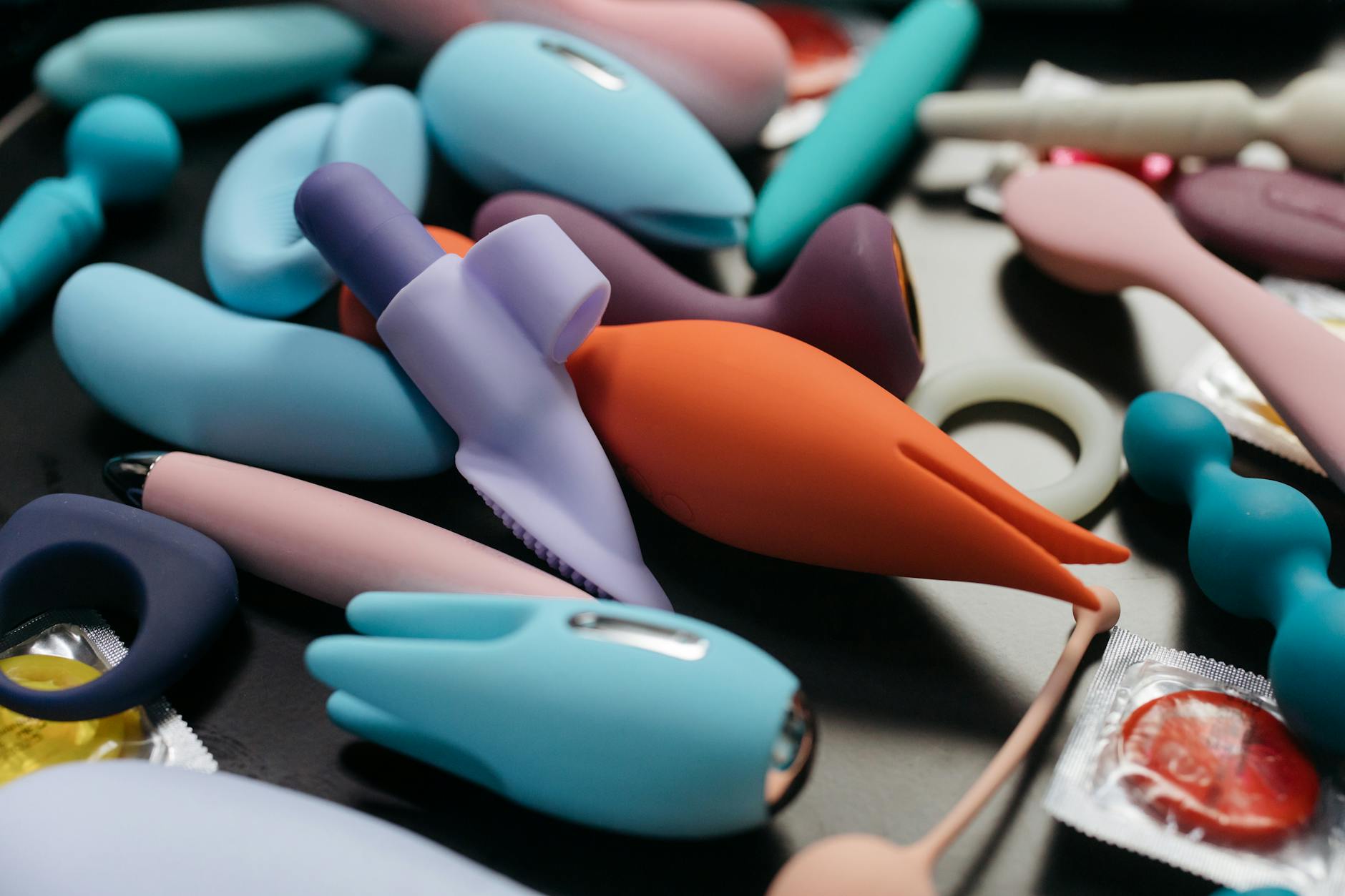
Lemon clitoral vibrators work differently for disconnected bodies than traditional toys do. Here's why, and exactly how to use them.
Why dissociation happens during sex
When your nervous system is dysregulated—stressed, overwhelmed, guarded—it deprioritizes pleasure. Sounds counterintuitive? It's actually brilliant design. If you're in danger (or your body thinks you are), orgasms don't matter. Sensation gets muted. Touch becomes noise. Your body is protecting you by doing the opposite of relaxing.
This is called "tonic immobility" or the freeze response. It's different from erectile dysfunction or low libido. It's your nervous system saying, "I don't feel safe enough to feel that right now."
The tricky part: you can be totally safe, totally in love, totally willing, and still be frozen. Safety isn't always rational. Your body keeps score, as the saying goes. And it won't turn sensation back on until it believes it's actually protected.
Traditional vibrators don't address this. They're just external stimulation. They can feel good on a regulated nervous system. On a dysregulated one, they often feel like nothing. Or worse, they feel jarring and too intense because your nervous system is hypervigilant.
How lemon suckers rewire the nervous system
Lemon vibrators use a completely different mechanism than standard vibrators. Instead of pure vibration, they use air-suction technology—a gentle, rhythmic squeezing sensation that mimics natural arousal patterns more closely than buzzing does.
Here's what happens neurologically. That suction pattern creates a feedback loop your nervous system recognizes as safe. It's rhythmic (predictable). It's sustained (not jittery). It gradually builds instead of hitting hard from the start. All three of those things signal safety to a dysregulated nervous system.
When your body feels safe, it starts to wake up. Slowly. Sensation returns. Blood flow increases. The freeze begins to thaw. And only then can actual pleasure happen.
The other advantage: lemon clitoral vibrators create more surface-area stimulation than focused vibration does. For someone who's been numb, that gentleness matters. You're not trying to force sensation. You're inviting it back.
Starting over when sensation is gone
The first rule: this isn't a performance event. You're not trying to orgasm. You're not trying to "prove" anything's working. You're literally just rewaking your nervous system to sensation. Completely different goal.
Here's the process:
Session one: just the suction, no expectation. Turn on pattern one (the lowest setting) on a lemon vibrator and spend 10-15 minutes exploring where sensation lives. Not where you think it should live. Where it actually does. Your inner thigh might feel something before your clitoris does. Your labia might wake up first. That's fine. There's no right order.
Sessions two through five: slow escalation. Stay with low patterns. Let your body notice the difference between pattern one and pattern two without rushing. Spend multiple sessions at each level. Your nervous system needs time to believe this is genuinely safe.
After the freeze starts to break: introduce rhythm. Once you're feeling something consistently, try using the same pattern for full sessions without changing speed. Your brain loves predictability. Predictability is what a dysregulated nervous system uses to learn, "Okay, this is actually safe."
One thing that changes everything: don't use the vibrator while also being "on watch" for an orgasm. That's exactly the anxious monitoring that keeps your nervous system locked up. Use it while reading. Use it while thinking about something else. Use it while a partner is reading next to you with zero pressure. Let pleasure be a side effect, not the goal.
How to rebuild trust with a partner present
If you're in a relationship and your body has disconnected, your partner probably feels that. They might interpret it as rejection or loss of attraction. It's not. But their nervous system is probably dysregulated now too.
The thing that actually works: separate the recalibration from partner sex entirely. This isn't something to do together yet. This is your private work, with your own lemon clitoral vibrator, to tell your body, "It's okay to feel things again." Once your nervous system starts believing that in solo context, partner sex becomes much easier.
That said, a partner can help by understanding what's happening. "My nervous system is in freeze mode right now, so I'm going to use solo time with my vibrator to basically teach my body it's safe to feel again." That explanation removes the shame and the guessing on their end.
Once sensation comes back solo, bringing a partner into the experience can happen naturally. But rushing it creates pressure, and pressure kills the whole thing.
Why lemon vibrators feel better than traditional toys for this
If you've tried standard vibrators and they felt like nothing—or felt uncomfortably intense—that's because traditional vibration can actually trigger hypervigilance in a dysregulated nervous system. The buzzing is too abrupt. The pattern is too repetitive without the rhythmic feedback that air-suction provides.
Lemon sexual toys work because they deliver stimulation in a pattern your nervous system recognizes as natural. The rhythm mimics how arousal actually builds. There's a wave quality to it. That's the opposite of robotic.
Another reason: suction creates more diffuse stimulation. That's gentler on a sensitized, frozen nervous system. You're not trying to force intensity. You're building it slowly from a place of actual sensation returning.
If you have tried lemon vibrators and they felt "meh," the issue is likely still nervous system dysregulation, not the toy. Which means you need to extend your timeline even more. Weeks, not days. Your body is teaching you something: it needs slower, softer, more consistent reassurance.
The timeline for numbness to shift
Here's what I tell clients. If you've been numb for months, expect three to six weeks of consistent use before you feel significant shifts. If you've been numb for years, expect two to three months. This isn't pessimistic. It's realistic about how nervous systems actually heal.
A couple sessions a week isn't enough. Daily or near-daily use (even 10 minutes) signals to your nervous system, "This is genuinely safe now. You can keep waking up." Sporadic use just puts you back at square one each time.
You'll notice shifts before you feel pleasure. First thing back is usually warmth. Then tingling. Then the ability to feel pressure versus absence. Then, finally, the capacity for sensation that feels good. Orgasm comes last, and you don't actually need to chase it.
When to bring in outside support
If you've been using a lemon clitoral vibrator consistently for eight weeks and nothing has shifted, talk to someone. A trauma-informed therapist, a somatic practitioner, or a sex therapist can help identify what's actually locked your nervous system. Sometimes it's something that needs talking through. Sometimes it's a nervous system regulation issue that needs a specific protocol.
Medication can also contribute. If you started an antidepressant right before your body went numb, that's useful information for your prescriber. There are options and alternatives. You don't have to live with complete numbness.
The point: using a lemon vibrator is a powerful tool for rewaking sensation. But it's not therapy. If the freeze is connected to trauma or deep anxiety, you'll probably need both.
FAQ: Reconnecting when your body has shut down
Why does anxiety make my body feel numb during sex?
When your nervous system perceives threat—even if you logically know you're safe—it activates the freeze response. Blood flow gets redirected to major muscle groups and away from pleasure centers. Sensation literally decreases. This is survival mode, not a personal failure. Your body is trying to protect you, even if the protection isn't needed.
Can lemon vibrators work if I feel absolutely nothing down there right now?
Yes, but with patience. Lemon clitoral vibrators work by gradually rewaking your nervous system's capacity to feel. They're gentler and more rhythmic than traditional vibrators, which helps your body believe it's safe to start noticing sensation again. You won't feel fireworks immediately. You'll feel barely-perceptible warming or tingling first. That's the nervous system starting to trust.
How often should I use a lemon vibrator when I'm numb?
Daily or near-daily for at least the first month. Consistency is how your nervous system learns it's safe. Sporadic sessions reset the progress each time. You're basically teaching your body a new pattern: touch equals safe, not threat. That only sticks with repetition.
Can my partner help me rewake sensation, or should I do this alone first?
Start alone. A dysregulated nervous system has a hard time staying calm with another person's needs in the room. Once you've spent a few weeks rebuilding sensation solo and your body consistently responds, you can explore partnered touch. But the foundation needs to come from your own safe experience first.
What if I feel worse after using a lemon vibrator?
If you feel triggered or more shut down afterward, you're likely pushing too hard too fast. Lower the pattern number. Shorten the session to five minutes instead of fifteen. Give your nervous system time to recognize this as genuinely safe. Also: if you have trauma history, working with a trauma-informed therapist while doing this is valuable. Sometimes the body's freeze response needs both somatic work and talk therapy.
Is it normal to feel disconnected during partnered sex even after solo pleasure comes back?
Completely normal. Your nervous system might feel safe alone but dysregulate with another person present. That's not a setback. It just means your nervous system needs to rewire the idea that partnered sex is also safe. Start with low-pressure scenarios: just being naked together, partner watching you use your lemon vibrator with zero expectation, gradual touching. The nervous system learns partnership safety the same way it learns solo safety: slowly, predictably, with repeated proof that nothing bad happens.
The real timeline for reconnection
I'm telling you plainly: this takes time. Not because lemon vibrators don't work, but because rewiring a dysregulated nervous system takes consistent, patient input that says, "You're safe. You can feel again." Your body will believe it when it believes it. Rushing just reinforces the freeze.
What actually works is showing up consistently, starting small, going slow, and trusting that sensation comes back. It always does. Your body wants to feel pleasure. Your nervous system just needed permission and proof first.