The antidepressant sensation trade-off nobody explains
Your antidepressant is working. You feel less anxious, more stable, genuinely better. And somehow your body doesn't feel like yours anymore. Touch feels muted. Arousal takes forever, or doesn't show up at all. Orgasms feel distant or flat. This isn't weakness or broken desire. This is what happens when SSRIs smooth out your neurotransmitters.
Here's what I tell my clients: medication saves your life first. Pleasure recalibration comes second. But second doesn't mean never. It means different tools, different timing, and honest adjustments.
What antidepressants actually do to sensation
SSRIs work by keeping serotonin in circulation longer. That steadiness is what lifts your mood and quiets anxiety. But serotonin also regulates arousal, orgasmic response, and how intensely you feel physical stimulation. When you have more serotonin hanging around, your nervous system becomes less reactive to sensation. Not numb exactly. More like the volume dial got turned down.
This affects different people differently. Some experience delayed orgasm. Others find their clitoris doesn't swell or become as sensitive as it used to. Some report that sensation feels present but distant, like they're watching their own pleasure from slightly outside their body. The scientific term is sexual dysfunction related to SSRIs. The lived experience is just frustrating.
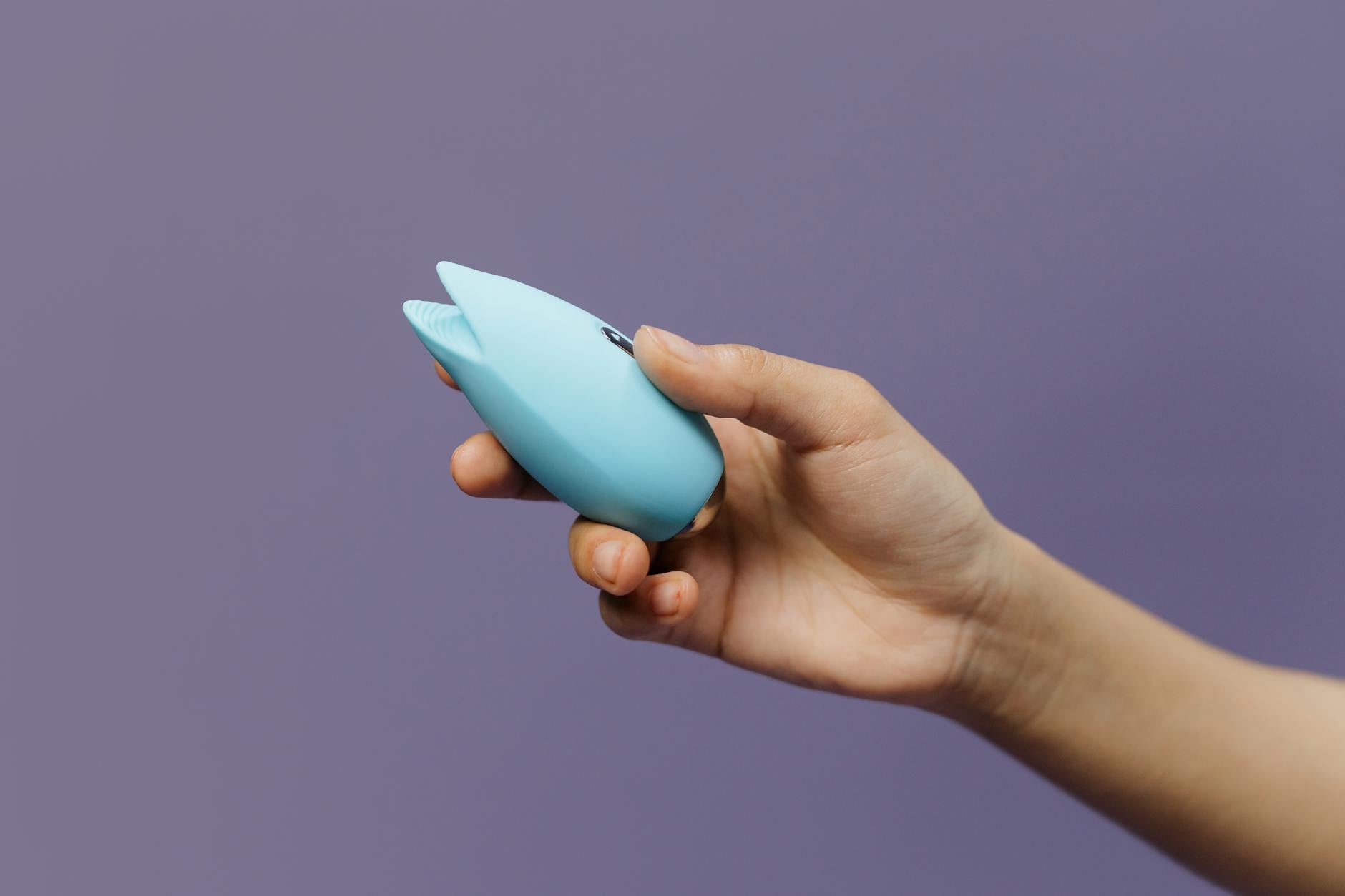
Why lemon clitoral vibrators work better on medication
Three reasons:
Amplified signal. When your nervous system is dampened, you need more stimulation to cross the threshold into arousal and orgasm. A lemon vibrator delivers consistent, targeted pressure that your fingers alone can't match. It's not about being "stronger." It's about focused energy. The suction mechanism on a lemon clitoral vibrator creates a sealed sensation that tends to feel more present and less dispersed than vibration alone.
Consistency over guesswork. On antidepressants, your arousal curve flattens. Your body might need 20 minutes of warm-up instead of 5. A vibrator lets you commit to sustained stimulation without fatigue. Your hand gets tired. A toy doesn't.
Psychological permission. Knowing you have a tool designed specifically for clitoral pleasure removes the pressure to "perform" natural arousal. You're not trying harder. You're working with your body as it actually is right now.
The timing adjustment that matters most
Antidepressants have peak blood levels. Most SSRIs hit their high point 4-6 hours after you take them. If you take your dose in the morning, afternoon or early evening is when medication saturation is highest. That's when sensation dampening is most noticeable.
Consider when you're having sex or using a lemon vibrator. If possible, shift intimate time to later in the evening or early morning, when medication concentration is lower. This isn't always practical. But if you've got flexibility, it matters. And if you're someone who takes medication at night specifically to avoid daytime side effects, you're already thinking about this intuitively.
How to actually use a lemon vibrator on antidepressants
Four changes from your pre-medication routine:
Start lower. Build slower. Begin at pattern 1 or 2, not your old comfortable setting. Your clitoris still responds to stimulation. It just requires more time to wake up. Rushing to high intensity before your body is ready wastes energy and creates frustration. Give yourself 10-15 minutes at lower settings before increasing.
Use extra lubrication. Antidepressants don't directly dry you out, but they do quiet your natural lubrication response. Adding water-based lubricant isn't compensation for broken arousal. It's removing friction so you can actually feel the stimulation underneath. Silicone-based lube feels richer, but avoid it with silicone toys like lemon vibrators. Stick to water-based.
Separate sensation from orgasm. The goal isn't to reach climax. The goal is to feel something. When you're on SSRIs and chasing orgasm, you create performance pressure that actually dampens sensation further. Instead, use your lemon vibrator as a reconnection tool. Spend time noticing what you can feel. Where do you feel it most? What pattern brings the most awareness? Orgasm might follow. It might not. Both are fine.
Consider dual stimulation. Many people find that combining clitoral stimulation (your lemon vibrator) with internal sensation (a finger, a partner's touch, penetration) creates enough signal for arousal to register. You're not trying to compensate. You're giving your nervous system multiple input channels so the dampening effect on any single channel doesn't derail the whole experience.
When to talk to your prescriber
Some antidepressants cause more sexual side effects than others. SSRIs like sertraline and paroxetine are notorious. Others like bupropion and mirtazapine have less impact. If your current medication is flattening sensation significantly, tell your doctor. You have options.
Timing adjustment. Some people take their dose at night instead of morning, shifting when the medication peaks relative to when they're intimate.
Dose reduction. If you've been stable for a while, sometimes dropping to a lower dose maintains mood benefit with fewer sexual side effects. This requires medical supervision, but it's worth discussing.
Augmentation medication. Some providers add a second medication like buspirone or bupropion specifically to counter sexual side effects.
Medication switch. There are enough SSRI options that if one leaves you feeling disconnected, another might not.
The point: antidepressant sexual side effects are documented, common, and treatable. You don't have to accept them as permanent. But you also don't have to choose between mental health and pleasure. Those aren't opposing goals.
Why this matters beyond the physical
Loneliness and depression feed each other. When you're on an antidepressant that dampens sensation, it's easy to interpret that muting as confirmation that you're broken, that pleasure isn't for you anymore, that you should just accept decreased sensation as the price of feeling stable. That narrative is poison.
Here's what's actually true: your medication works. Your nervous system is operating differently now. That's not permanent damage. It's adaptation. And adaptation is workable. Using a lemon vibrator isn't a workaround for broken equipment. It's meeting your body where it actually is and working with it honestly.
If you have a partner, frame this conversation carefully. "My body is processing differently right now because of medication" is completely different from "I'm not attracted to you." One is a physical fact. The other is a relationship fact. Don't collapse them together.
The truth about reclaiming pleasure on SSRIs
You don't have to choose between your mental health and your sexual life. You do have to accept that the equation changed. That acceptance is not surrender. It's honesty. And honesty is where pleasure actually lives.
Start by exploring what sensation is available to you right now, using tools like a lemon clitoral vibrator that deliver consistent, focused stimulation. Give your body time to respond. Adjust the timing of medication and intimacy if you can. Talk to your provider if the dampening is severe. And remember that being on an antidepressant doesn't mean you're broken. It means you're taking care of yourself. The pleasure will follow.
FAQ: Antidepressants and sensation
Do all SSRIs affect sexual sensation the same way?
No. Medication response is individual. Sertraline and paroxetine have higher rates of sexual side effects. Bupropion, mirtazapine, and vilazodone tend to have less impact on arousal. If your current antidepressant is significantly flattening sensation and you've been stable for a few months, talk to your prescriber about alternatives. Changing medication or adjusting timing can make a real difference.
How long does it take for sexual side effects to improve after starting an antidepressant?
Often the dampening is noticeable within the first week or two. The good news: your body does adapt somewhat over time. Some people find sensation improves after 4-8 weeks as their nervous system settles into the new baseline. Others find the changes are consistent. That's when strategic adjustments like using a lemon vibrator or timing intimacy differently become most valuable.
Can I stop taking my antidepressant to get my sensation back?
No. Stopping antidepressants without medical guidance can trigger withdrawal and relapse. Your mental health comes first. But stopping isn't the only option. There are medication adjustments, timing changes, and tools like lemon vibrators that help you reconnect to pleasure while staying on medication. Work with your prescriber to find the right combination.
Will a lemon vibrator really help if my sensation is completely numb?
If sensation is genuinely numb, not just dampened, that's worth discussing with your doctor. But most people on SSRIs experience muting, not complete numbness. A lemon clitoral vibrator's focused suction stimulation can cut through that muting in a way general vibration can't. Start at lower intensities and give your body time to respond. Patience matters here.
Should I take my antidepressant at a different time to improve sensation?
Maybe. Most SSRIs peak 4-6 hours after ingestion. If you take your dose in the morning, late afternoon and evening are when medication concentration is highest, which is when sensation dampening is most noticeable. Some people find shifting intimacy to early morning or night helps. Worth trying, worth discussing with your prescriber to make sure timing doesn't affect how the medication stabilizes your mood.
Is there a relationship between antidepressants and reduced lubrication?
Antidepressants don't directly cause dryness, but they do quiet your arousal response, which includes natural lubrication. The dampened signal means your body produces less fluid. Adding water-based lubricant removes friction and helps sensation register more clearly. This isn't a sign that something's broken. It's a straightforward physical adjustment that makes a real difference.
Your mental health matters. Your pleasure matters too. They're not in conflict. They just need different tools and honest conversation. Start there.