The sensation gap nobody talks about
You've been on the pill for three years. Or the shot. Or the implant. And somewhere along the way, you stopped feeling things the way you used to. Not emotionally. Physically. Your clitoris used to light up at a touch. Now it takes serious effort to get anywhere. You're not broken, and you're not imagining it. Hormonal birth control genuinely mutes sensation, and almost nobody warns you about it upfront.
Here's the thing: you don't have to accept that as permanent. Understanding why it happens, then choosing the right tool (like a lemon vibrator), can walk you back to full feeling.
Why hormonal contraceptives affect clitoral sensation
Hormonal birth control works by keeping estrogen and progesterone levels artificially stable. That stability prevents ovulation. But it also prevents the hormonal fluctuations that normally trigger clitoral engorgement and sensitivity changes throughout your cycle.
Estrogen directly affects clitoral tissue thickness and the blood flow that makes sensation sharper. When that estrogen stays flat instead of rising and falling, your clitoris doesn't get the stimulus to engorge fully. The nerve endings are still there. The capacity for pleasure is intact. But the pathway to arousal becomes narrower and demands more deliberate effort.
There's also a dopamine angle. Birth control can subtly shift your neurochemistry in ways that flatten sexual motivation overall. That's separate from numbness, but it compounds the problem: not only is sensation duller, but the drive to seek it out is quieter too.
How lemon vibrators bypass the problem
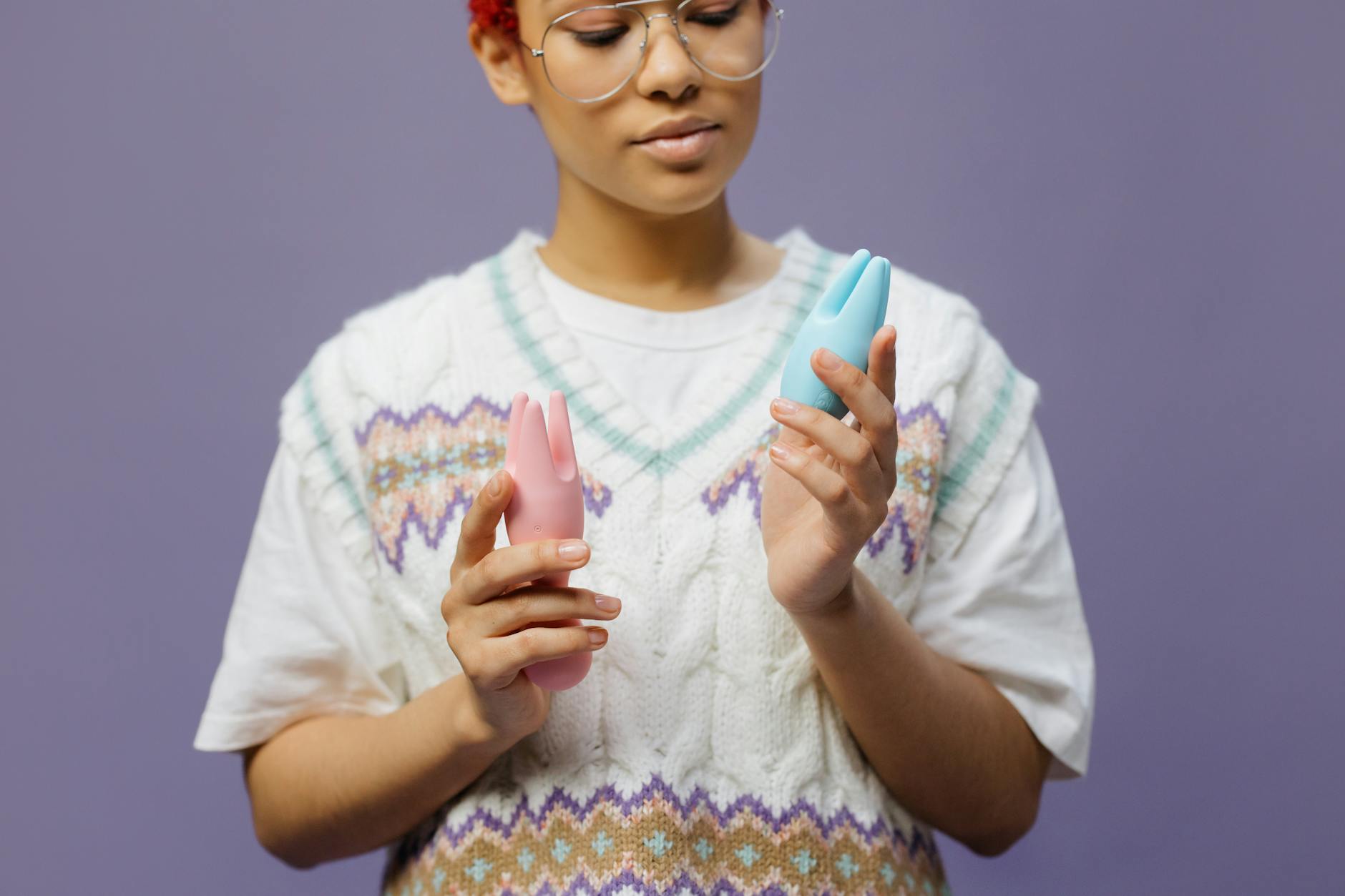
This is where tools like lemon sexual toys matter. A lemon clitoral vibrator doesn't rely on your baseline blood flow or hormonal cycling to work. Instead, it delivers external vibration directly to nerve clusters, essentially creating arousal through stimulation rather than waiting for your body to generate it internally.
The suction mechanism that defines a lemon vibrator is particularly useful here. Unlike traditional vibrators that rely on friction or pressure, suction uses gentle pulsing waves that activate a broader nerve network. If your hormonal birth control has made direct clitoral contact feel numb or too intense, suction distributes the sensation differently. It's a workaround that actually works.
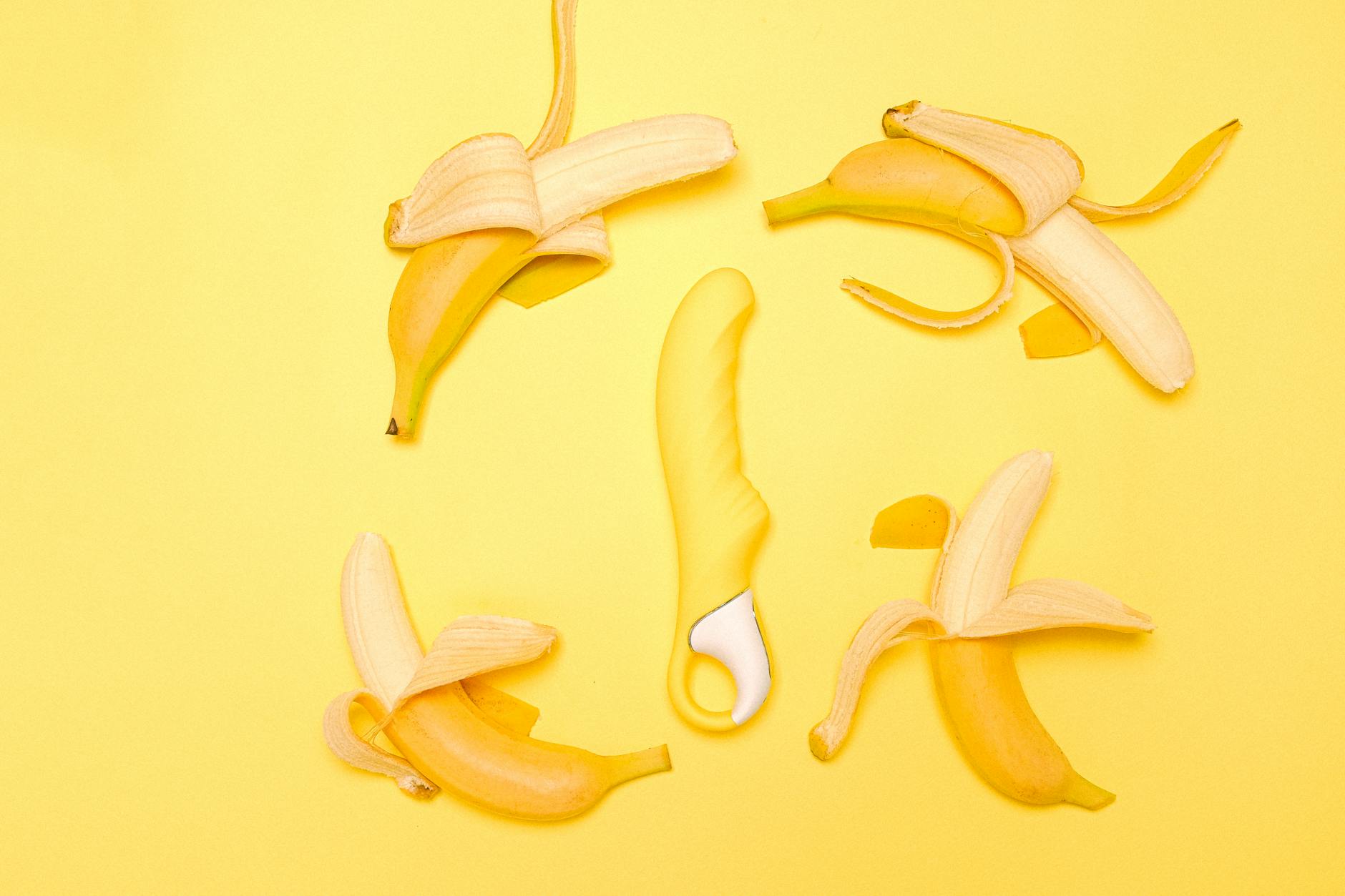 Photo by Anna Shvets on Pexels
Your actual strategy for regaining sensation
Start with the right setting on your lemon vibrator. Most people with sensation loss from hormonal contraceptives default to the highest intensity immediately, thinking they need more to feel anything. Wrong move. Start on pattern 1 or 2 at low intensity instead. Let your nerve endings remember what stimulation feels like.
Give yourself 10 to 15 minutes of consistent, unrushed time. Horniness doesn't announce itself loudly when you're on hormonal birth control. It builds slowly. Don't interpret the lack of immediate fireworks as proof that nothing's working. Patience is the tool here, not pressure.
Next, pay attention to positioning. Not all areas of the clitoris are equally desensitized. The sides of the clitoral shaft often retain sensitivity better than the front. Experiment with where you place the lem vibrator, angling it slightly rather than pressing directly on the most numb spot. This isn't defeat. This is working with your current reality.
One often-missed detail: start with your underwear or a thin layer of fabric between the vibrator and your skin. This softens the sensation without blocking it entirely. Many people on hormonal contraceptives find that direct contact feels more like pressure than pleasure. A single layer of cotton changes the equation.
What changes as your nervous system reawakens
The encouraging part is that sensation does come back. Not overnight. But measurably, within 4 to 6 weeks of consistent exploration, your clitoris becomes more responsive. You're not training it. You're removing the brake.
One factor that helps: using a lemon vibrator regularly actually increases blood flow to genital tissue over time. That's not just mechanical stimulation. That's biology recalibrating. The more you practice, the more your body remembers what engagement feels like, and the easier it becomes.
You might also notice that as sensation returns, your capacity for orgasm changes shape. Some people report that orgasms feel quieter but more full-body. Others describe a shift from rapid, narrow climaxes to longer, more rolling ones. Neither is better. But knowing what to expect helps you not confuse it with something going wrong.
When to consider switching birth control methods
Here's the honest part: for some people, the sensation loss is tolerable enough to manage around. For others, it's a dealbreaker. If you've been using a lem vibrator consistently for two months and you're still feeling almost nothing, and it's affecting your quality of life or your relationship, talk to your doctor about alternatives.
Non-hormonal IUDs, copper-based methods, or barrier methods don't create the same sensation dampening because they don't manipulate your hormone levels. If you've spent years thinking your body just got less interested in sex, it's worth testing whether the birth control is the culprit. One conversation can change everything.
There's also the option of cycling or taking breaks from hormonal contraceptives, though that requires other backup protection and isn't right for everyone. A reproductive health provider can explore what makes sense for your specific situation.
The relationship piece
If you're with a partner, this shift affects them too. The most useful conversation isn't "my birth control is making me numb." It's "let's explore this together and find what works now." Many partners assume decreased responsiveness means decreased desire for them. It doesn't. But the assumption creates tension that becomes its own dampener.
Using a lem vibrator with a partner present can actually strengthen the scenario. It removes the pressure on your partner to "do more" to turn you on. Instead, you're collaborating with a tool. That takes the blame out of the dynamic and puts exploration back in.
FAQ
Does every hormonal birth control method cause the same sensation loss?
No. Combination pills (estrogen plus progestin) affect people differently depending on the dose and the progestin type. Some formulations have minimal impact on sensation. Others are more dramatic. The shot (Depo-Provera) tends to cause more noticeable numbing because it uses higher doses. The implant and hormonal IUDs fall somewhere in between. If you're particularly sensitive to the effect, switching formulations or methods is worth exploring with your doctor.
Can lemon vibrators make sensation worse if I'm already numb?
Not if you start conservatively. The risk comes from jumping straight to maximum intensity on an already-desensitized clitoris. That can feel like pressure instead of pleasure, which then discourages further use. The solution is literally what this article describes: start low, stay patient, use layers of fabric if needed, and let sensation rebuild naturally. A lemon clitoral vibrator is a tool for recovery, not something that will worsen the baseline.
How long does it take for sensation to come back after stopping hormonal birth control?
It varies, but most people notice a shift within 3 to 4 weeks of stopping hormonal contraceptives. That's when hormone levels stabilize at your body's natural baseline. Full sensation restoration usually takes 2 to 3 months. That timeline is why it's worth trying the lemon vibrator approach first if you want to stay on your current method. You don't have to choose between contraception and pleasure.
Will using a vibrator make me dependent on it for orgasms?
No. That's a widespread myth. What actually happens is the opposite. Using a lemon vibrator when sensation is dampened gives your nervous system permission to engage. Once your baseline sensitivity is restored, many people find they need less assistance, not more. The vibrator isn't a crutch. It's a bridge.
Should I tell my doctor that birth control is affecting my sex life?
Absolutely. This is exactly the kind of side effect your doctor needs to know about. "Decreased libido" or "numbness" are things reproductive health providers are trained to address. They can adjust your dosage, switch your formulation, or explore different contraceptive options. You're not complaining. You're reporting a real side effect and asking for help. That's what they're there for.
What if my partner thinks I'm just not attracted to them anymore?
Have the conversation directly and early. "My birth control is affecting my sensation. This isn't about you. Here's what helps me feel things again, and I'd love your support." Most partners respond well to clarity. Shame and secrecy are what kill attraction. Honesty and collaboration usually strengthen it. If you want, exploring together with a lem vibrator can be part of that rebuilding process.
The bottom line
Hormonal birth control costs something. For many people, that cost is worth it. But you don't have to accept sensation loss as collateral damage. Understanding why it happens, using lemon clitoral vibrators deliberately, and staying patient while your nervous system recalibrates gives you agency. Your pleasure isn't gone. It's just temporarily on mute. With the right strategy, you can turn the volume back up.
If you want more guidance on finding the right vibrator for your body, our buying guide walks you through the differences between clitoral vibrators and helps you choose the one that fits your situation. And if decreased sensation is part of a bigger pattern of disconnection with a partner, talking it through with a relationship specialist can help too.