
Let's be real about the nervousness part
Most people don't talk about this, so you probably think you're the only one. You're not. Walking toward pleasure when you've never done it before triggers the exact same nervous system response as walking toward danger. Your body doesn't know the difference yet.
Here's what actually happens physiologically when you're nervous about using lemon vibrators or any new pleasure tool: your sympathetic nervous system (the fight-or-flight one) activates. Your muscles tense. Your breathing gets shallow. Blood flow concentrates in your limbs and away from your genitals. Ironically, this is the worst possible state for pleasure. Your body is literally defending itself against the thing you're trying to experience.
The good news? Lemon vibrators, with their specific design, actually work with this nervous system response instead of against it. And understanding why matters.
Why anxiety blocks pleasure (the neurobiology)
When you're anxious, your parasympathetic nervous system (the rest-and-digest one) goes offline. That's the system responsible for arousal, lubrication, and sensation. You can't force it back online through willpower. You have to bypass the guard at the gate.
This is why traditional vibrators often feel overwhelming to anxious first-timers. They demand a lot from your nervous system right away. They're loud, intense, and they announce their presence. Your body interprets this as a threat rather than an invitation.
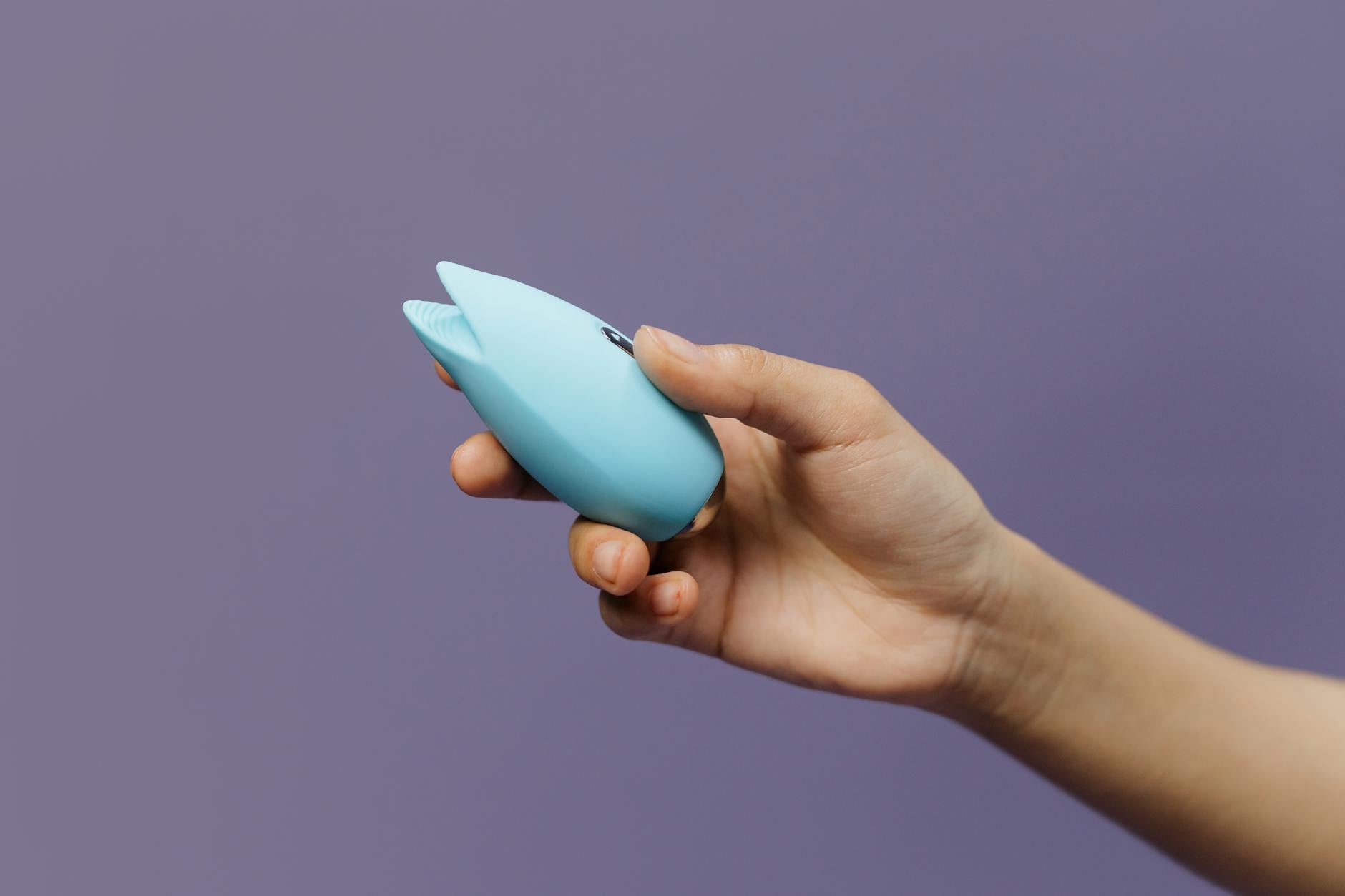
Lemon clitoral vibrators work differently. They use gentle suction rather than pure vibration, which creates a more gradual, less threatening sensation. Your nervous system can interpret this as "maybe safe" instead of "definitely run."

Photo by Hanna Brovko on Pexels
The gentler entry point: why suction changes everything
A lemon vibrator (also called a lemon sucker or lem vibrator) creates a seal around the clitoris and stimulates through rhythmic suction rather than direct vibration. This matters enormously for anxious users.
Here's why: suction feels more like a mouth, which most people have positive associations with. It's familiar. Your brain doesn't have to decode it as alien technology. The sensation is also more diffuse. Instead of intense pin-point buzzing, you get a gentler, broader stimulation that your nervous system reads as "okay, this is manageable."
Many anxiety-prone first-timers report that they felt safe enough to stay present with a lemon clitoral vibrator when they would have jolted away from traditional vibrators. That presence is everything. The moment you leave your body out of fear, pleasure becomes impossible.
Second, the intensity ramp is softer. Start at level 1 on a Hello Nancy lemon vibrator and you get subtle pulsing. You're not thrown into the deep end. Your nervous system can gradually realize, "Oh, this is actually fine," and downshift into parasympathetic mode. That's when arousal can actually build.
Building trust with your body step by step
Here's a framework I use with clients who come to me anxious about exploring pleasure for the first time.
Step one: separate touch from performance. Before you even touch the lemon vibrator, spend three days just holding it. Feel the silicone. Look at it. Take it into the shower. The goal isn't arousal. The goal is removing novelty. Your nervous system's threat response shrinks when something becomes familiar.
Step two: explore without expectation. The first time you use a lemon sucker, don't expect anything. Honestly. Tell yourself you're just experimenting. No orgasm required. No success or failure. This removes the pressure that actually creates anxiety. The moment you stop trying, your body often cooperates.
Step three: start clothed or over your underwear. I know this sounds weird, but there's a reason. A thin layer between you and the toy makes the sensation less intense while your nervous system adjusts. After two or three sessions like this, remove the barrier. Your body will be ready.
Step four: pair it with something calming. Use your lemon vibrator while lying down in dim light, maybe with music you love. The multisensory context tells your nervous system, "This is a safe space." Anxiety thrives in silence and darkness and performance pressure. Remove those.
Why timing and environment matter more than you think
You could have the best lemon clitoral vibrator in the world, but if you're using it while stressed, rushed, or in a space where you don't feel fully private, your sympathetic nervous system stays activated. This isn't a character flaw. It's neurobiology.
Give yourself 45 minutes minimum. No timer set on your phone. No part of your brain tracking the clock. Anxiety thrives when you're rushed. Your body is still in threat mode if you're half-listening for footsteps or clock-watching.
Fully lock the door. Close the blinds. Turn off notifications. Tell your partner or roommate you need uninterrupted time. Most anxious first-timers don't struggle with the toy itself. They struggle because some part of them is still defending against being discovered or judged. Remove that threat and everything shifts.
What happens when you finally relax
Once your parasympathetic nervous system kicks in, a few things unfold:
Blood flow returns to your genitals, and sensation sharpens. The suction from a lemon vibrator becomes more pleasurable as your tissue becomes more sensitive. Your breathing deepens. Your body starts producing its own lubrication. Thoughts quiet. Time gets weird. This is when pleasure actually becomes possible.
For many people, the first time this happens with a lemon sucker, they're shocked. Not because it's overwhelming, but because it's not. It's gentle. It's interesting. It feels like their body finally had permission to participate. That's the whole point.
The anxiety narrative you need to drop
There's a story a lot of anxious first-timers tell themselves: "I'm broken. Something's wrong with me that I can't just relax and enjoy this." Stop. This is false.
What's actually true: you have a nervous system that's protecting you, which is literally its job. You're not broken. You're just meeting yourself where you are and being patient about it. That's maturity, not dysfunction.
Your first time using lemon vibrators doesn't need to be perfect. It doesn't need to end in orgasm. It needs to teach your body that this space is safe. That takes time. It takes repetition. It takes gentleness. A lemon clitoral vibrator, with its softer approach, gives you that runway.
When to seek outside support
If you've spent weeks following this framework and you're still unable to relax, that's worth exploring with a sex therapist or counselor. Anxiety about pleasure sometimes isn't about the pleasure tool. It's about deeper beliefs around shame, control, safety, or relationships. A professional can help you untangle what's actually happening beneath the surface.
If you're experiencing pain, numbness, or complete absence of sensation even after repeated exposure, check in with a gynecologist. Sometimes anxiety and a physical condition are both present, and you need both addressed.
Most of the time, though, anxious first-timers just need permission to go slowly, a tool that meets them halfway (like a lemon vibrator), and an environment where they can finally exhale. That's not a lot to ask. And you deserve all three.
FAQ: Anxiety, Nervousness, and Lemon Vibrators
Is it normal to feel anxious the first time using any adult toy?
Completely normal. You're introducing something new to a vulnerable part of your body. Your nervous system is wired to be cautious about novelty, especially around intimacy. The fact that you feel anxiety doesn't mean you're not ready or that something's wrong. It means you're aware and paying attention to your boundaries, which is healthy. Many people who seem "naturally relaxed" about pleasure are actually just less attuned to their anxiety, not more confident. Awareness is your strength.
Can lemon vibrators reduce anxiety specifically?
Not directly. A lemon sucker won't cure clinical anxiety disorder. But because they offer a gentler entry point than traditional vibrators, they lower the immediate threat response enough for your parasympathetic nervous system to engage. That shift from fight-or-flight to rest-and-digest is genuinely calming. Some people find that the ritual of using a lemon clitoral vibrator becomes a form of self-soothing in itself. Over time, you're teaching your body that this is a safe space.
What should I do if I freeze up the first time?
Stop. There's no prize for pushing through. If you freeze, it means your body hit a boundary. Respect that. Set the toy aside. Take some deep breaths. Do something grounding, like placing your feet on the floor or holding ice in your hand. Then, if you want to try again later that day, do so. But also consider whether you need more preparation. Sometimes a frozen response means you need even more time with the toy before use, or a longer window to decompress, or a conversation with yourself about what specifically triggered the freeze. It's information, not failure.
Do I really need to start clothed, or is that overcomplicating it?
You don't need to. But many people find it helpful. If you're someone who jumps into the deep end easily, skip this step. If you're anxious, it's a useful confidence-builder. The whole point is meeting yourself where you are. Some people relax faster with that intermediate layer. Some people feel more awkward with it. Do what your gut says.
How long until the nervousness goes away?
Every person is different. Some people feel comfortable by session two. Others need a month of gentle exploration. Pushing yourself to move faster doesn't help. If anything, it reinforces the nervous system's sense of threat. Let the nervousness diminish naturally as you gather evidence that this space is safe. That usually takes 3-6 sessions, but there's no deadline. Your nervous system doesn't care about speed.
Is it okay to use lemon vibrators if I have anxiety disorder?
Yes, absolutely. Having anxiety disorder doesn't make you broken or unable to experience pleasure. What it means is you might need to be extra intentional about your environment, timing, and pacing. Many people taking antidepressants use lemon vibrators successfully. The medication itself isn't a blocker. What matters is the same thing that matters for anyone: a tool that meets you where you are and a space where you feel safe.
Your nervous system is your ally
Anxiety feels like your enemy. But it's actually your body trying to keep you safe. The work isn't to crush the anxiety or force through it. It's to reassure your nervous system, step by step, that pleasure is safe. That this space is safe. That you're safe.
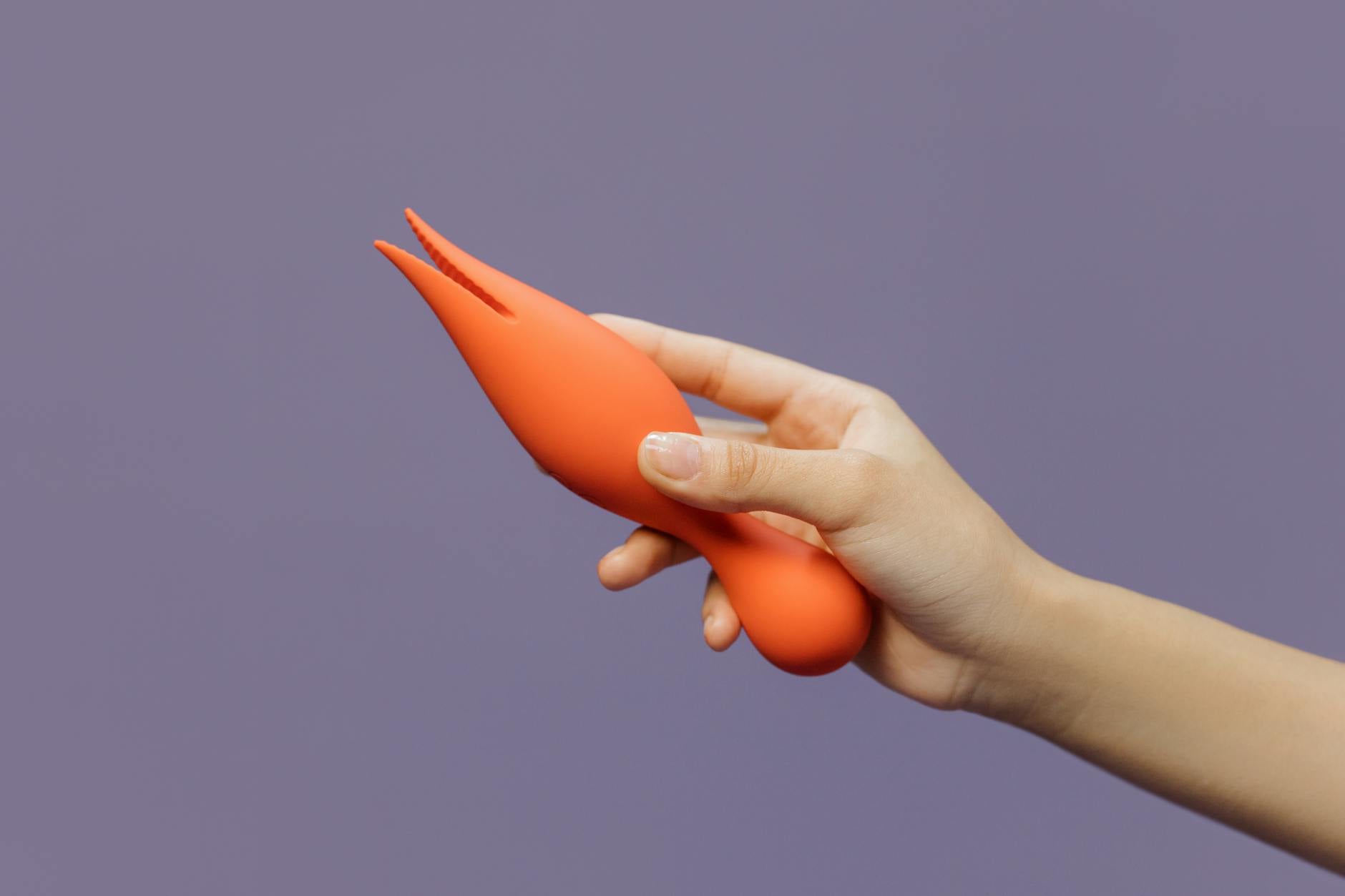
A lemon vibrator (whether it's called a lemon sucker, lemon clitoral vibrator, or lem vibrator) works for anxious first-timers because it doesn't fight that protective response. It works with it. It says: start small, go slow, let your body decide.
That's not weakness. That's wisdom. And you absolutely deserve to experience the pleasure that's waiting on the other side of that patience.
If you're ready to explore this more deeply or have specific questions about your situation, reach out. That's what I'm here for.
Sources and further reading:
Polyvagal Theory and nervous system regulation: Porges, S. W. (2011). The Polyvagal Theory. W.W. Norton & Company.
Sexual anxiety and parasympathetic activation: Barlow, D. H., et al. (1986). "The role of cognition in sexual response inhibition in functionally dysfunctional and dysfunctional men," in Handbook of Sexual Dysfunctions.
Suction-based stimulation and clitoral sensitivity: [peer research on non-vibration clitoral devices and nervous system response].
Somatic experiencing and trauma-informed approach to pleasure: van der Kolk, B. (2014). The Body Keeps the Score. Viking.