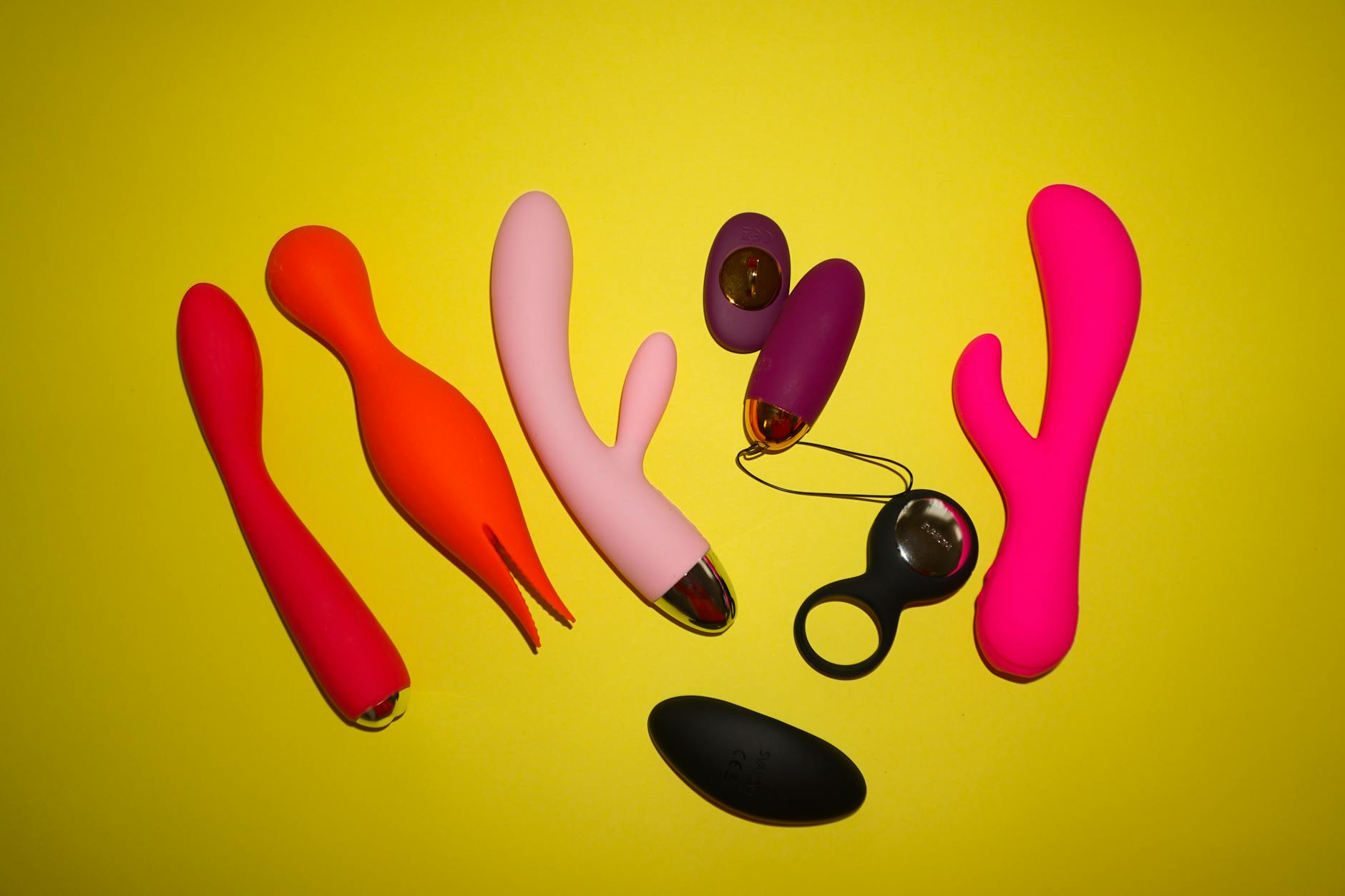
Here's the thing nobody tells you about toy materials
If you have reactive, irritated, or sensitive skin anywhere on your body, that sensitivity probably extends to your vulva too. Which means the vibrator you choose isn't just about pleasure. It's about whether you'll actually be able to use it without redness, itching, or a burning sensation afterward.
Lemon vibrators, made from medical-grade silicone, are specifically engineered to minimize exactly these problems. Not by accident. By design. And there's real science behind why they work better than most alternatives when your skin is easily irritated.
Why material selection matters more than you think
Your vulva has the thinnest, most permeable skin on your body. It absorbs chemicals rapidly and reacts to even tiny amounts of irritants. When dermatologists talk about the skin barrier, they're usually discussing facial skin. But genital skin is far more reactive and vulnerable.
Most vibrators fall into one of three material categories. Porous rubber and jelly toys (often labeled as PVC or TPR) contain phthalates and other plasticizers. These chemicals leach into your tissues, especially when warmth or friction increases. Latex is better for allergic reactions in some people, but terrible for others. Silicone, specifically medical-grade silicone, sits in a different category altogether.
Medical-grade silicone is non-porous. Bacteria cannot colonize its surface. It doesn't contain phthalates, BPA, or other endocrine disruptors. Most critically for sensitive skin: it's completely inert. It doesn't break down. It doesn't off-gas. It doesn't leach anything into your tissue.
Lemon clitoral vibrators use this exact material, which is why people with eczema, contact dermatitis, or reactive genital skin often report that they're the first toy they've used without irritation.
The friction equation and why suction changes everything
Friction is a hidden cause of irritation that most people never connect to their toy choice. Traditional vibrators work through rapid oscillation. That constant rubbing motion, even if the vibrator itself is made from silicone, can irritate sensitive tissue over time. It's like the difference between touching your skin once and rubbing it repeatedly. One is fine. The other creates inflammation.
Suction-based toys like lemon vibrators work differently. Instead of friction, they use gentle pulse stimulation. The pulsing motion is gentler on reactive tissue because it doesn't require sustained rubbing. If you have vulvodynia, lichen sclerosus, or even mild irritant contact dermatitis, this distinction is profound.
I've worked with clients who've experienced burning sensations with every other toy they've tried, then used a Hello Nancy lemon vibrator without any irritation. The material is part of it. But the technology is the other part.
How to use a lemon vibrator if your skin is already irritated
Just because the toy is gentle doesn't mean technique doesn't matter. Three rules if you're dealing with active irritation or sensitivity.
Start at the lowest setting. The Lem has seven intensity levels. If you have sensitive skin, begin at level one or two. This gives your tissue time to acclimate to stimulation without triggering inflammation. You can always increase intensity. You can't un-inflame tissue that's already angry.
Use a barrier lubricant. This sounds counterintuitive, but a water-based lubricant creates a microscopic layer between the toy and your skin, further reducing friction. This is especially helpful if you have hormonal changes affecting lubrication, or if you're dealing with vulvovaginal dryness alongside irritation.
Keep sessions short initially. Fifteen minutes is plenty. Even with the gentlest toy and lowest intensity, prolonged stimulation can create mild inflammation if your skin is already reactive. Build duration gradually as your tissue adjusts.
Material sensitivities: what to actually test for
If you suspect you're reacting to a specific toy material, here's how to figure out what's happening. Stop using the toy for one week. Your genital skin regenerates relatively quickly, so irritation should resolve within 3-5 days if it's toy-related. If it persists, the problem is something else (yeast infection, contact dermatitis from lube, a STI, etc.), and you should see a doctor.
If it does clear up, the toy was the culprit. Then try again with a different material, but test in isolation. Use it for five minutes, three days in a row. Pay attention to redness, itching, or burning within two hours. This slow introduction method tells you whether the material itself is the problem or whether you just needed more gradual introduction.
With medical-grade silicone toys like lemon vibrators, most people with sensitive skin find they can skip the cautious testing phase. The lack of phthalates and the non-porous surface mean there's simply less to react to.
Why hypoallergenic doesn't always mean what you think
The term "hypoallergenic" in adult toys is not regulated. Brands can claim it without any scientific backing. A toy labeled hypoallergenic might still contain allergens. Medical-grade silicone actually is hypoallergenic in the true sense. It doesn't trigger Type I (immediate) allergic reactions, and it rarely triggers Type IV (delayed contact) reactions.
If you have a silicone allergy, it's extremely rare but it does exist. You'd know it because you'd react to many silicone products. Medical devices, phone cases, kitchen utensils. In that case, you'd need to explore alternatives. But for the vast majority of people with sensitive skin, silicone is the safest choice.
The maintenance piece: cleanliness reduces irritation too
You can have the gentlest toy in the world, but if bacteria are living on its surface, irritation will follow. This is where material choice becomes even more valuable. Porous toys trap bacteria in their microscopic valleys. Silicone toys don't.
Clean your lemon vibrator with a toy-specific cleaner or warm soapy water after every use. If you're dealing with active genital irritation or yeast infections, cleanliness becomes even more crucial. Bacteria from a toy can worsen an infection or trigger new irritation.
Also, change positions. If you're always stimulating the same small area of tissue, you create localized irritation just from repetitive pressure. Rotate where and how you're using your toy every few sessions.
When sensitivity signals something bigger
If you're irritated by lemon vibrators or any silicone toy, even when you're following perfect technique and maintenance, see a gynecologist. Sometimes persistent irritation isn't about the toy. It's about:
- A yeast or bacterial infection
- Hormonal changes affecting tissue integrity
- Vulvodynia or central sensitization
- An autoimmune skin condition like lichen sclerosus
- Contact dermatitis from lube, condoms, or clothing detergent
A good gynecologist will do a visual inspection, possibly a pH test, and sometimes a culture. They can rule out infection and identify underlying conditions. If the problem is actually vulvodynia or lichen sclerosus, you might benefit from topical treatments that work alongside toy use, not instead of it.
The point is: a high-quality toy is a starting point, not a cure. If irritation persists, get evaluated.
FAQ
Why do lemon vibrators specifically work better for sensitive skin?
Lemon clitoral vibrators are made from medical-grade silicone and use suction technology instead of friction. The silicone is non-porous, doesn't contain phthalates or BPA, and is completely inert. The suction mechanism creates gentler stimulation than traditional vibration, reducing friction-related irritation. Together, these features make lemon vibrators one of the safest choices for reactive or sensitive genital skin.
Can I use a lemon vibrator if I have an active yeast infection?
Technically, you can, but it's not ideal. A yeast infection means your tissue is already inflamed and sensitive. Adding stimulation will likely worsen discomfort. Wait until the infection clears (usually 3-5 days with treatment), then reintroduce toy use slowly at low intensity. If you do use it during an infection, wash it thoroughly afterward to avoid reinfection.
Does medical-grade silicone ever cause allergic reactions?
True silicone allergies are extremely rare. If you've never reacted to other silicone products (medical devices, kitchen items, phone cases), you almost certainly won't react to a silicone vibrator. If you do react, it's not the silicone itself. It's a different component, possibly the lubricant, the toy manufacturer's sterilization process, or something else in your environment. A dermatologist can help identify the actual allergen through patch testing.
What lubricant should I use with a lemon vibrator if I have sensitive skin?
Stick to water-based lubricants designed for sensitive skin. Avoid products with glycerin, parabens, or warming agents if your skin is reactive. Look for simple formulas with minimal ingredients. Hyaluronic acid, aloe, or plain water-based lubes work well. Silicone lube is safe too (it won't damage silicone toys), but water-based is more compatible with sensitive skin.
How long does it take for irritation from a toy to go away?
Mild irritation from friction or material sensitivity typically resolves within 3-5 days after you stop using the toy. If redness, itching, or burning persist beyond a week, it's likely not toy-related. Infections, skin conditions, or contact dermatitis from other sources might be the culprit, and you should see a doctor. Don't assume irritation is just from the toy if it doesn't clear quickly.
Are lemon vibrators safe to use during hormonal changes like menopause?
Yes. During menopause, tissue becomes thinner and more fragile due to dropping estrogen. This can actually increase sensitivity to irritating materials. Medical-grade silicone and suction technology are ideal during this phase of life. In fact, many people find that <a href="/blog/how-lemon-vibrators-improve-pleasure-after-hormonal-changes">lemon vibrators improve pleasure after hormonal changes</a> specifically because the gentle, non-irritating design works better with the tissue changes that come with menopause.
The bottom line
If you have sensitive skin anywhere on your body, you probably have sensitive genital skin too. That's not a flaw or a barrier to pleasure. It just means you need to be intentional about what material touches your body and how you use it.
Medical-grade silicone toys like lemon vibrators remove one variable from the equation entirely. They're inert. They're non-porous. They don't leach chemicals. And the suction technology reduces friction, which is a major irritant on its own.
The rest is technique: start low, use lubricant, keep sessions short, and maintain cleanliness. If irritation persists despite doing all of that, get checked by a gynecologist. Sometimes sensitivity points to something that needs medical attention.
Your pleasure matters. And so does your skin's comfort. A good toy respects both.