Here's the thing nobody tells you about tension and sensation
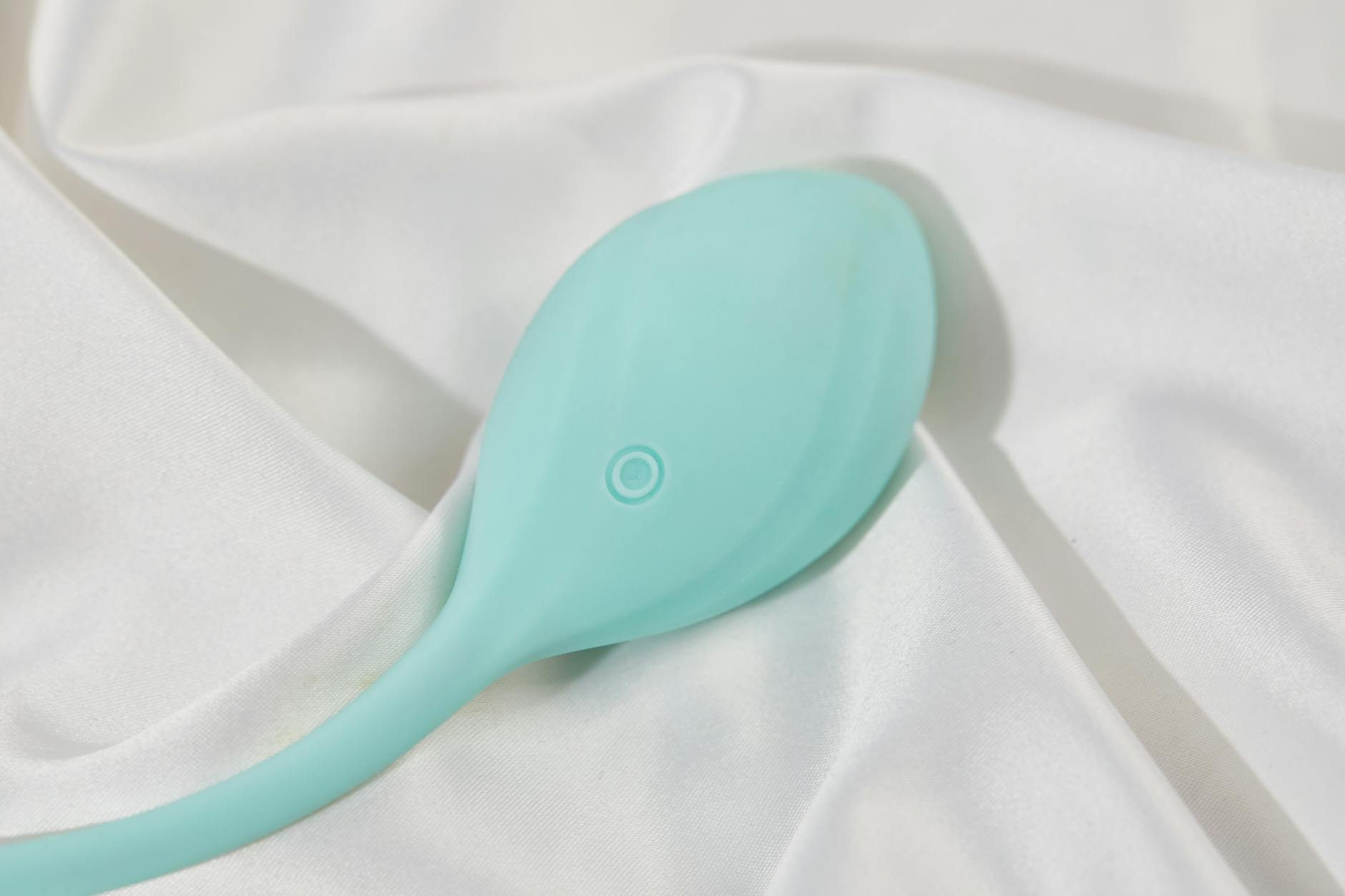
You can own the best lemon vibrator in the world and still barely feel it. Not because the device is weak. Not because your body is broken. But because your pelvic floor is clenched so tight it's essentially muting the signal.
The pelvic floor is a cradle of muscle that runs from your pubic bone to your tailbone. Most people think of it as something to tighten—Kegels, right? But here's the twist: for many people, it's already over-clenched. Stress, anxiety, years of bracing against pain, or just the habit of holding tension there means the muscle is locked in a low-level squeeze all day. When you add a lemon clitoral vibrator to a pelvic floor that's already contracted, you're introducing stimulation to tissue that can't fully respond. The sensation gets muffled. Orgasms feel distant. Sometimes they don't come at all.
Release that tension, though, and everything changes. The same vibrator feels ten times more intense. Orgasms come faster and feel deeper. And the pleasure moves through your body instead of getting stuck behind a wall of muscle.
Why your pelvic floor grips when you're anxious
The pelvic floor is wired directly to your nervous system. When you feel unsafe, stressed, or hypervigilant, it contracts. This is true whether the threat is real or imagined, recent or from years ago. Years of high-stress jobs, relationship conflict, or unprocessed trauma can train your pelvic floor to live in a permanent state of clench.
The problem is that arousal requires the opposite. When you're truly relaxed, your pelvic floor softens and widens. Blood flow increases. Nerve sensitivity sharpens. Sensation becomes possible. A contracted pelvic floor is the body's way of saying "not safe to open right now." And no amount of good technique or expensive lemon vibrators will override that message.
That's why so many people can use a device correctly and feel almost nothing. The hardware is working. The software is not.
The neuroscience of release and sensation
When your pelvic floor is relaxed, several things happen at once.
First, your parasympathetic nervous system activates. This is the "rest and digest" part of your brain that makes pleasure possible. When you're gripped and tense, you're in sympathetic mode—fight or flight. No amount of vibration will feel good in that state because your nervous system is literally not oriented toward pleasure.
Second, the muscle relaxation itself increases blood flow to genital tissue. Better circulation means better nerve responsiveness. A lemon clitoral vibrator's suction mechanism works by creating stimulation that travels through tissue. Relaxed, well-perfused tissue responds more readily. Constricted tissue dampens the signal.
Third, when the pelvic floor is soft, you can actually feel the internal structures—the internal clitoris, the vaginal canal, the anterior vaginal wall. A clenched pelvic floor is like trying to feel texture through a tightened fist. You get pressure. You don't get nuance.
What relaxation actually feels like
Pelvic floor relaxation is not the same as Kegels. It's the opposite skill. And it takes practice, especially if tension has been your baseline for years.
Start with breath. Your pelvic floor mirrors your diaphragm. When you inhale, the pelvic floor naturally descends. When you exhale, it lifts. Many people with chronic tension reverse this pattern—they brace on the inhale. Try lying down with one hand on your belly and one on your chest. Breathe so your belly expands on the inhale. Feel your pelvic floor soften. On the exhale, let everything release downward instead of holding tight. This takes about two minutes.
Next, try visualization. Imagine your pelvic floor as an elevator. If you're at floor 10 (fully clenched), slowly descend to floor 1 (fully relaxed). This isn't about forcing relaxation. It's about noticing where you're holding and gradually releasing it floor by floor. Many people find they can't drop below floor 4 until they've done this for a few weeks.
Finally, try physical release. A warm bath, gentle stretching (child's pose, deep squats), or even a massage therapist trained in pelvic floor work can help. Some people benefit from yoga practices like yin or restorative yoga that focus on releasing rather than strengthening.
The goal is not to achieve permanent relaxation—that's not realistic. The goal is to notice when you're gripped and have a tool to soften. Then, when you're using a lemon vibrator or any clitoral vibrator, you're working with an open system instead of a locked one.
How this changes your experience with lemon vibrators
Once you've started loosening your pelvic floor, the difference is almost immediate. The Lem, Berri, or any lemon sucker-style device will suddenly feel much more intense. The sensation might feel almost too strong at first, which is actually a sign you were quite tense before.
You'll also notice that orgasms feel different. Instead of a localized pulse that's hard to access, you may feel waves that travel through your entire pelvis and abdomen. Some people report that orgasms become longer, more full-bodied, and easier to reach multiple times in one session.
The suction mechanism of a lemon clitoral vibrator works beautifully with a relaxed pelvic floor because it's creating a gentle, rhythmic pressure rather than a harsh vibration. That pressure can travel deeper when the muscles aren't blocking it. The sensation becomes almost meditative for some people—less urgent and frantic, more building and immersive.
One more thing: with a relaxed pelvic floor, you're much more likely to recognize what you actually enjoy. Tension masks preference. When you release tension, you can suddenly feel the difference between patterns that work for you and ones that don't. This is why so many people who learn pelvic floor relaxation end up being able to have orgasms for the first time, or orgasms that feel genuinely different from before.
The relationship between relaxation and partnered pleasure
If you have a partner, a relaxed pelvic floor changes your partnered sex life too. When you're tense, penetration can feel uncomfortable or even painful. The vaginal opening is tight. The inside wall is braced. A partner feels pressure rather than responsiveness.
With a soft pelvic floor, penetration feels different for everyone involved. You have more sensation. Your partner feels more welcome. And paradoxically, while the pelvic floor is relaxed, it can also contract more effectively during orgasm, which feels better for both of you.
This is one reason pelvic floor tension is often misdiagnosed as low libido. It's not always that desire is gone. It's that the infrastructure for pleasure is locked. Once you unlock it, desire and sensation often return on their own.
When to seek professional support
If you've been working on pelvic floor relaxation for a few weeks and nothing is changing, see a pelvic floor physical therapist. These specialists can identify where you're holding tension and teach you release techniques that are tailored to your pattern. This is not a place to try to white-knuckle your way through—professional guidance actually works faster.
Also seek help if relaxation attempts trigger anxiety or memories of trauma. The pelvic floor holds emotional memory. For some people, releasing tension brings up feelings that need therapeutic support to process safely. A therapist who specializes in somatic work or trauma-informed care can help you move through this.
Many people find that addressing pelvic floor tension, anxiety, or sexual trauma isn't just about pleasure. It's about feeling safe in their own body. That's a foundation worth building.
FAQs on pelvic floor relaxation and sensation
How long does it take to feel a difference with pelvic floor relaxation?
Most people notice a shift within 2-4 weeks of consistent practice. Some feel something in the first week. The brain learns through repetition, and your pelvic floor is no exception. Breathing exercises and relaxation work best when you practice them daily or most days, not just before sex. Over time, your baseline tension level drops, and your capacity for sensation increases steadily.
Can I use a lemon vibrator while learning to relax my pelvic floor?
Absolutely. In fact, it can help. Once you've spent a few minutes relaxing—breathing, visualizing, stretching—then using a lemon clitoral vibrator gives you feedback on whether you're actually relaxed. You'll feel the difference in sensation immediately. This positive reinforcement actually helps your nervous system learn that relaxation is safe and pleasurable.
Is a tight pelvic floor the same as vaginismus?
Not exactly. Vaginismus is involuntary tightening that happens specifically during penetration. A chronically tight pelvic floor is ongoing tension that affects sensation all the time. That said, they're related. Addressing pelvic floor tension can help prevent or resolve vaginismus. For more specifics on this topic, see our guide on why lemon vibrators work better when you have vaginismus.
What if relaxation makes me feel anxious or unsafe?
This is common and valid. Your pelvic floor may be holding protective tension from past experiences. Relaxation can trigger memories or feelings your body has been bracing against. Work with a therapist alongside your physical practice. You might also try very gentle practices first—warm water, soft stretching, guided meditations—rather than intense release work.
Do men and people with penises have a pelvic floor tension issue too?
Yes. People with penises also have pelvic floor muscles that can become chronically tight, usually from stress or anxiety. Tension can affect erection quality, sensation, and the ability to relax into pleasure. The relaxation practices outlined here apply to all bodies.
How does pelvic floor tension relate to stress and anxiety?
Direct connection. When your nervous system is in fight-or-flight, your pelvic floor braces. Years of stress, job pressure, relationship conflict, or unprocessed anxiety train your pelvic floor to live in a clenched state. This is why addressing pelvic floor tension often means addressing what's happening in the rest of your life—sleep, stress management, emotional processing. A guide to using lemon vibrators to reduce anxiety during partnered sex covers this in more depth.
The pleasure is there. The question is whether your body feels safe enough to access it.
Here's what I know after years of working with couples: the problem is rarely the equipment. It's access. Tension locks the door to sensation. Release opens it.
If you've been using clitoral vibrators and feeling almost nothing, or if orgasms feel distant and hard to reach, the answer might not be a stronger device or different technique. It might be your nervous system telling you it's not safe to fully relax. Once you address that—through breath work, movement, therapy, or pelvic floor physical therapy—a Hello Nancy lemon vibrator (or any quality device) becomes a gateway to sensation you might not have thought was possible.
Your pleasure matters. And it's worth creating the conditions for it to flourish.