
Here's the thing about bringing toys into partnered sex
Most couples think the friction comes from the toy itself. In reality, it comes from mismatched expectations about what the toy is supposed to do. One partner thinks it's a replacement. The other thinks it's a threat. Meanwhile, the toy sits in a drawer.
Lemon vibrators solve a different problem than traditional vibrators do. This shift changes how couples actually use them together.
The physics problem with friction vibrators
Traditional vibrators work through rapid horizontal movement. Think of a toothbrush on a tooth. That motion feels great on its own, but during partnered sex, it creates a logistical issue: two bodies are already in contact. The vibrator adds a third moving surface, and now texture, angle, and pressure all have to align.
For many women, this creates numbness or overstimulation instead of pleasure. You're getting vibration from three sources (the toy, your partner's body, your own movement), and the brain can't parse it cleanly. It's like playing three songs at once.
Lemon vibrators use suction instead of friction. The technology creates a gentle seal and rhythmic pulse that doesn't clash with external pressure. Your partner is still fully in contact. The lemon clitoral vibrator amplifies sensation without adding mechanical noise to the nervous system.
The result: you feel more, not less. And your partner stays fully present in the moment.
Why this matters in long-term partnered sex
After months or years together, many couples notice that sensation flattens. Not desire. Not affection. Sensation. Your nervous system stops paying attention to the familiar. A lemon vibrator resets that attention without requiring you to check out emotionally or bring in performance anxiety.
Here's what I see in practice: couples who introduce lemon vibrators report that they feel closer, not more isolated, because the toy amplifies what's already happening between them instead of replacing it. Your partner can feel the suction too (there's a gentle pull against their body). The rhythm is something you're experiencing together, not something you're doing in parallel.
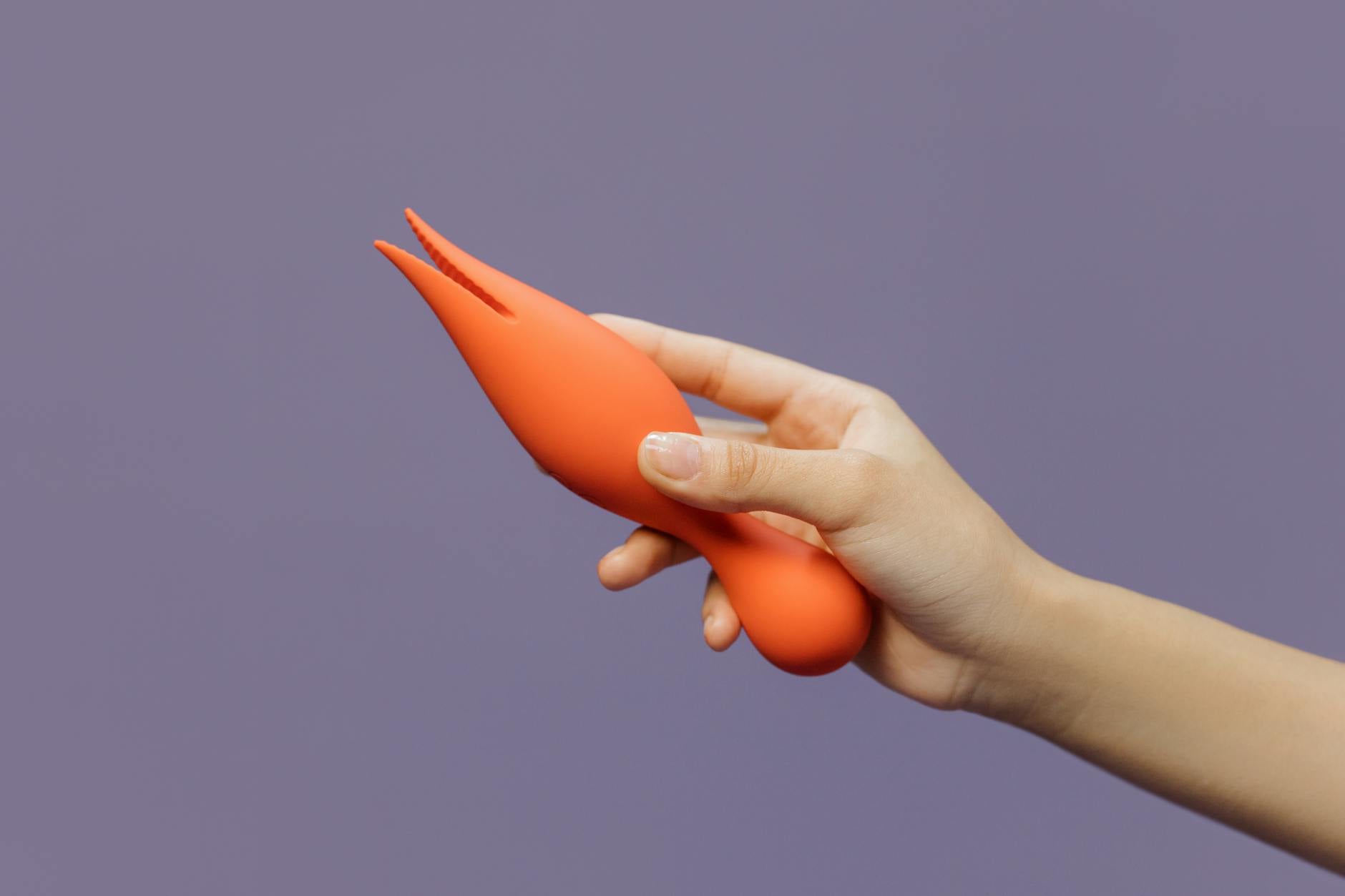
Photo by cottonbro studio on Pexels
This is wildly different from traditional vibrators, which can feel isolating or clinical. The sensation is so localized and intense that it's easy to disappear into your own body and forget your partner is there. Lemon clitoral vibrators don't have that problem.
The pleasure mechanics are different too
Let's talk about how orgasms actually work in couples. Most research focuses on solo orgasm, so the data on partnered sensation is thinner than it should be. But what we know from clinical observation is this: orgasms that involve your partner's body (skin contact, rhythm, attention) feel qualitatively different from solo orgasms. They're more about connection than intensity.
Traditional vibrators prioritize intensity. You chase the buzzing sensation until you cross the threshold. It's efficient, but it's also extractive. You're taking a sensation and using it to push yourself over a line.
Suction technology works differently. It builds sensation gradually and creates a rhythm that can sync with your partner's movement. The pleasure is about what's happening between you, not what's being done to you. Many couples find that switching to a lemon vibrator means deeper orgasms, not faster ones.
This shift requires some recalibration. You can't just hand your partner the device and zone out. You both have to stay present and adjust rhythm and intensity together. That's more work, but it's also why the sex feels better afterward.
Starting the conversation without it being awkward
Okay, so you want to introduce a lemon clitoral vibrator to partnered sex, but the conversation feels loaded. Fair. Here's what actually works:
Don't lead with "I want more pleasure" or "Something isn't working." Both trigger defensiveness. Instead, frame it around novelty and curiosity. "I read about lemon vibrators and they work differently than traditional toys. Want to try it together?" This positions it as exploration, not critique.
If your partner is nervous about toys in general, address that directly. The most common fear is that the toy makes them redundant. That's not true with a lemon vibrator because you can't use it solo during partnered sex (it requires the right angle and rhythm together). The toy is collaborative by design.
Start with a lower intensity setting. The Lem vibrator has multiple patterns, and pattern 1 or 2 is a solid entry point. You're not trying to chase an orgasm on the first attempt. You're learning how your bodies sync with this new sensation.
The mechanics of using it together
Here's what most couples get wrong: they use the lemon vibrator the same way they'd use a traditional toy. They turn it on and hold it in one spot. That doesn't work as well.
With a lemon clitoral vibrator, the magic happens when you sync movement. Your partner might be moving in a circle while you're shifting your hips or contracting your pelvic floor muscles. The suction pulses with these movements, creating a compounding sensation that's way more intense than the device alone.
Start with the device in contact but not sealed. Let your partner move it slowly, and pay attention to what intensity and rhythm feel good. Once you find a groove, the suction creates its own anchor. You're not gripping it. The sensation is doing that for you.
One key thing: communication mid-act feels awkward, but it's essential. "A bit lower" or "slower rhythm" are complete sentences. Your partner isn't a mind reader, and neither are you.
When lemon vibrators transform stuck patterns
I work with couples who've been together 10, 15, 20 years, and the sexual rhythm has gone flat. Not from lack of love, but from repetition. Same positions, same timing, same sensation.
Often, one partner has lost sensation over time (for all the reasons I mentioned earlier). The other partner feels rejected or bored. The resentment builds quietly. You stop trying.
Introducing a lemon vibrator can break that pattern because it requires you to recalibrate together. You can't just roll into the familiar script. You're learning how your bodies work with this new technology. That novelty and collaborative problem-solving sometimes does more for a relationship than months of conversation.
I'm not saying toys fix broken communication. But they can interrupt the pattern long enough for real intimacy to sneak back in.
The technical stuff (because you need to know)
Lemon vibrators use soft silicone, which is body-safe and easy to clean. They're quieter than traditional vibrators, which matters if you have roommates or kids who sleep nearby.
Battery life varies, but most last 45 minutes to 2 hours on a full charge. That's plenty for partnered sex. If you're planning multiple rounds, charge it beforehand.
Water-based lube works best with silicone toys. It won't degrade the material and enhances the suction seal. Apply a small amount around the opening. You don't need much; the device is designed to work with natural lubrication too.
After sex, rinse with warm water and soap, pat dry, and store in a clean space. No special storage needed.
When to actually bring it into the bedroom
Timing matters. Don't introduce the toy during a moment when sex is already struggling or when one partner is stressed about something else. Pick a time when you're both feeling connected and playful. Weekend morning, or whenever you naturally have more time.
Set an intention together. "We're trying something new tonight" is different from just springing it on someone. Intention removes the surprise element and replaces it with anticipation.
If the first time feels awkward, that's completely normal. You're learning new choreography. Give it two or three attempts before deciding if it works for you. The rhythm comes with practice.
And honestly, if traditional vibrators are working great for you both, lemon vibrators aren't a mandate. But if you've been curious about what might feel different, the suction technology is worth exploring. Many couples find that it's the thing that makes partnered sex feel fresh again.
FAQ: Couples and Lemon Vibrators
Can we use a lemon vibrator if we're in a newer relationship and haven't talked about toys before?
Yes, but frame it as curiosity rather than necessity. Newer couples sometimes worry that introducing toys suggests something is missing. The conversation might go like: "I'm interested in exploring how these work. Want to try together?" If your partner says no, that's complete information. Respect it and move on. Pressure around toys kills the vibe faster than anything else.
Does using a lemon clitoral vibrator during partnered sex mean I won't enjoy traditional sex anymore?
No. Your nervous system doesn't stop responding to non-vibrator touch just because you've experienced suction stimulation. Many couples use lemon vibrators sometimes and have non-toy sex other times. Both have distinct textures. You get to enjoy both.
What if I orgasm quickly with the lemon vibrator and my partner feels like they're being rushed?
Talk about it beforehand. Some couples build in multiple rounds. Some focus on the partner's pleasure first, then switch. Some use it during foreplay rather than the main event. There's no rule. What matters is that you're both clear about the intention so no one feels surprised or left behind.
How do I know if my partner is enjoying the lemon vibrator or just going along with it?
Ask. "Is this feeling good?" or "Want me to adjust?" Sound like mood killers? They're not. Couples who communicate mid-sex report better satisfaction overall. It doesn't have to be a clinical conversation. Just check in.
Can we use a lemon vibrator if one of us has a disability or limited mobility?
Probably yes, but it depends on the specific limitation. The suction angle matters, so you might need to adjust positioning. If you have limited hand strength, your partner can operate the device while you guide positioning. Start with what feels manageable and adapt from there.
What if we try it and it doesn't work for us?
No harm done. You tried it, learned something about what doesn't work for your bodies, and you move on. Not every tool works for every couple. The fact that you were willing to explore together is what actually strengthens the connection, not whether the toy became your new favorite thing.
The real shift
Lemon vibrators don't fix relationships or create instant pleasure. They're not magic. What they do is create a different sensory conversation between partners. That novelty, combined with the collaborative nature of suction technology, often reminds couples why they wanted to be intimate in the first place.
If your partnered sex has flatlined, or you're curious about what might feel different, this is worth trying. The worst that happens is you learn something about what doesn't work. The best case is you discover a whole new dimension of sensation together.
For couples navigating how to bring toys into the bedroom, start with how to choose lemon vibrators based on your sensitivity level to find what fits your bodies. And if you're worried about whether toys are compatible with emotional intimacy, you're not alone. That's worth a conversation with a couples therapist or reaching out to contact us if you have specific questions about how to introduce them thoughtfully.